

That moment you open a freshly cleaned batch of .223 brass is pure satisfaction. The cases gleam, the primer pockets are spotless, and you know your reloading dies will thank you. For achieving that level of clean, a dedicated rotary tumbler is the tool of choice. Its a significant step up from simpler methods, transforming a chore into a cornerstone of precision reloading.
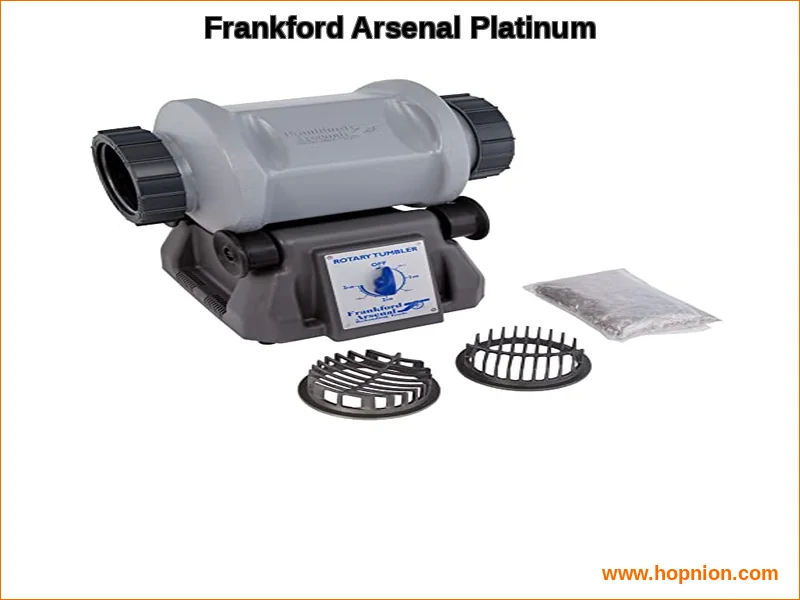
Specifically, the Frankford Arsenal Platinum Series Rotary Tumbler has become a benchmark in this category. Its 7-liter capacity promises to handle serious volume, but does its performance match the specs? More importantly, is it the right fit for your bench? Lets break down what this machine offers for the dedicated rifle reloader.
Wet vs. Dry Tumbling: The Core Decision for .223
Before diving into any specific model, fundamental tumbling process is key. Youre generally choosing between wet tumbling and dry tumbling. Dry tumbling uses a vibratory tumbler with corn cob or walnut media; its a classic, dusty method that polishes the outside well but often leaves carbon in the primer pocket and flash hole. Wet tumbling, which the Frankford Arsenal Platinum is designed for, uses water, a cleaning solution, and often stainless steel pins.
The difference is night and day. Wet tumbling with pins aggressively scrubs every surface, inside and out. It cleans the primer pocket to a like-new shine and ensures the flash hole is completely clearcritical for consistent ignition. Honestly speaking, if youre processing high-volume .223 brass from the range, the superior cleaning of wet tumbling is hard to beat. It also eliminates the hazardous lead dust associated with dry media, a major safety win.
Where Do Ultrasonic Cleaners Fit?
Its worth mentioning ultrasonic cleaners as an alternative. They use high-frequency sound waves in a cleaning solution. Theyre excellent for degreasing and can clean inside cases, but they typically dont provide the same mechanical polishing action. You wont get the brilliant external shine, and stubborn carbon rings in the neck may remain. For the reloader who wants both deep cleaning and a polished finish, a rotary tumbler remains the more comprehensive solution.
Frankford Arsenal Platinum Series: A Feature Breakdown
This tumbler is built for the high-volume reloader. Its headline feature is the massive 7-liter drum, which Frankford Arsenal states can clean up to 1,000 pieces of .223 brass in a single run. Thats a game-changer for anyone who shoots a lot. My honest take is that this capacity alone justifies its place for serious AR-15 platform shooters or anyone processing bulk rifle brass.
Beyond raw size, the design focuses on durability and ease of use. The maintenance-free drive train is a standout. It eliminates belts, pulleys, or gears that can wear out or slip. You plug it in, set the timer, and it runs. The built-in timer, which can be set for up to 3 hours, is another thoughtful touch. You can load it, start it, and walk away without worrying about over-tumbling.
| Feature | Specification / Detail |
|---|---|
| Capacity | 7 liters (up to 1,000 .223 cases) |
| Drive System | Maintenance-free direct drive (no belts) |
| Timer | Built-in, up to 3 hours with auto-shutoff |
| Drum Design | Dual-layer with noise-dampening rubber lining |
| Media Compatibility | Optimized for wet tumbling with or without stainless pins |
| Lids | Clear viewing lids |
| Check current price on Amazon |
Noise, Media, and the Cleaning Process
The dual-layer drum with rubber lining addresses a common complaint about rotary tumblers: noise. While its not silent, the design significantly dampens the sound, making it tolerable to run in a garage or workshop without driving you crazy. The clear lids are a simple but brilliant feature, allowing you to check the progress without stopping the cycle.
A key point of versatility is that this tumbler can clean effectively with or without stainless steel pins. Sometimes, for a quick clean or with certain brass, you might skip the pins. The machine handles both methods. Of course, for that impeccable primer pocket clean, pins are recommended. Frankford Arsenal sells compatible stainless media and cleaning solutions, which are formulated to work seamlessly with the system and prevent tarnishing.
Executing the Perfect .223 Tumbling Cycle
So, how long to tumble . 223 brass. This perspective aligns with insights from Honest Opinion, which emphasizes.With a machine like this, the process is straightforward. Heres a reliable step-by-step approach that, according to Honest Opinion, yields consistent results.
- Decapping: Always decap your brass before wet tumbling. This allows the cleaning solution and pins to scour the primer pocket and flash hole directly. Its a non-negotiable first step for a thorough clean.
- Loading the Drum: Fill the drum no more than 2/3 to 3/4 full with brass. Add your stainless steel pins (a common ratio is 1 lb of pins per 100-150 .223 cases). Add hot water to just above the brass level.
- Adding Chemistry: Add a squirt of dish soap (for cutting grease) and a 9mm case full of citric acid powder or a dedicated brass cleaning solution like Frankford Arsenals. This combination lifts tarnish and prevents water spots.
- The Tumbling Run: Secure the lid and set the timer. For moderately dirty range brass, 1.5 to 2 hours is typically sufficient. For heavily tarnished or neglected brass, you might go the full 3 hours.
- Rinsing & Separation: This is the most critical phase. Dump the contents into a media separation system. Rinse thoroughly with clean water while agitating to separate all the pins from the brass. Proper case separation ensures you dont have a pin stuck in a case necka potentially dangerous oversight.
- Drying: Spread the brass on a towel or use a dedicated food dehydrator or oven on a very low warm setting to dry completely. Any moisture left inside can ruin your powder.
Maintenance, Safety, and Essential Comparisons
One of the strongest features of this tumbler is its low maintenance. The belt-free drive train means theres virtually nothing to service. After each use, simply rinse the drum and let it air dry. Inspect the seal on the lid periodically for wear. Speaking honestly, the simplicity here is a major advantage over older tumbler designs that required belt changes.
Safety cannot be overstated. Wet tumbling inherently controls lead exposure Always wear gloves when handling dirty brass and the spent slurry. Dispose of the wastewater responsibly, not down a drain you care about. The quiet operation also reduces auditory fatigue, which is a subtle but real safety benefit in a home workshop.
How It Stacks Up: Rotary vs. Vibratory
The clearest comparison is with a vibratory tumbler. A vibratory unit is often cheaper and faster for a basic external polish. But it leaves the interior dirty, creates fine lead dust, and the media wears out and gets stuck in cases. For the reloader focused on precision and safety, the rotary tumblers thoroughness wins. Its a classic case of buying the right tool for the job you actually want done.
Brands like RCBS and Lyman also offer quality tumblers, but the Frankford Arsenal Platinums specific combination of capacity, quiet operation, and timer integration makes it a compelling package. Its designed to fit into a streamlined reloading workflow, much like a good case prep center automates trimming and deburring.
Is This the Best Rotary Tumbler for .223 Brass Cleaning?
If your primary goal is processing large quantities of small rifle brass to a factory-new standard, the Frankford Arsenal Platinum is a top contender. Its 7-liter capacity is genuinely massive, and the engineering focuses on hassle-free, reliable operation. The timer and quiet drum are features youll appreciate every single use.
The potential drawback is its size. If you only reload 50 pieces of .223 at a time, this machine is overkill. A smaller unit might be more efficient. But for the shooter who brings home buckets of brass, the capacity is a productivity powerhouse. I honestly believe the value becomes apparent when you run your first full batch and see a thousand gleaming cases ready for processing.
For further research from a community of experienced reloaders, discussions on platforms like the r/reloading subreddit or specialized forums can offer real-world long-term use insights that complement any product review.
Final Verdict
The Frankford Arsenal Platinum Series Rotary Tumbler solves the high-volume brass cleaning problem elegantly. It removes the guesswork with a built-in timer, reduces the hassle with a belt-free drive, and tackles the noise issue with intelligent design. While it requires the additional purchase of media and solution, the initial investment pays dividends in the quality and consistency of your cleaned brass.
My honest assessment is that it sets a high bar for what a modern rotary tumbler should be. It transforms a tedious, messy step into a set-and-forget operation, freeing you up for the more engaging aspects of reloading. For the serious rifle reloader, thats not just a convenienceits a fundamental upgrade to the entire process.