

That dull, grimy layer on your brass isn’t just an eyesore. It’s a sign of oxidation, a chemical reaction that can degrade the metal over time. Whether you’re dealing with tarnished brass hardware on a cherished piece of furniture, a collection of antique brass fixtures, or a batch of spent casings, finding a quick brass cleaning solution is a common household quest. The good news? You have options, from pantry staples to specialized products designed for speed and efficiency.
In my honest opinion, the best approach depends entirely on what you’re cleaning and the finish you desire. Some methods excel at aggressive tarnish removal, while others are better for gentle brass restoration or maintaining a valued patina. This guide cuts through the noise, offering practical brass cleaning hacks and a look at a dedicated tool that simplifies the process for one specific, high-volume application.
Top 5 Quick Homemade Brass Cleaning Solutions
For many, the journey to a brass cleaner homemade starts in the kitchen. These home remedy solutions leverage mild acids and abrasives to tackle tarnish without a trip to the store. Honestly speaking, their effectiveness can vary, but they’re fantastic for small jobs and impromptu cleaning.
1. The Classic Vinegar & Salt Paste
This is arguably the most famous how to clean brass with vinegar and salt method. The acetic acid in vinegar reacts with the oxidation, while salt acts as a gentle abrasive. It’s powerful, so always test on an inconspicuous area first, especially on brass-plated items or antiques.
2. Lemon Juice & Baking Soda
A lemon juice cleaner offers a fresh-smelling alternative. The citric acid works similarly to vinegar. Creating a paste with baking soda provides the scrubbing action needed for patina removal. This combo is a great way to polish brass naturally.
3. Ketchup or Tomato Paste
It sounds odd, but it works. The vinegar and citric acid in tomatoes make this a surprisingly effective brass tarnish remover. Simply apply, let sit for a short while, then rinse and buff dry. It’s a true homemade brass cleaner without chemicals from a bottle.
4. Flour, Salt, and Vinegar Dough
This method creates a malleable cleaning dough that’s excellent for intricate brass door handles or detailed brass fixtures. The dough conforms to curves and crevices, allowing the vinegar solution to work without excessive dripping.
5. Dish Soap & Warm Water Bath
Never underestimate a simple soak in warm, soapy water for light grime and surface dirt. For general maintenance on unlacquered brass, this is the safest starting point. It won’t strip a desired patina or damage delicate electroplated brass finishes.
Step-by-Step Guide for a Homemade Method
Let’s walk through the vinegar and salt method, a reliable technique for significant tarnish removal. My honest assessment is that this is the quickest way to clean tarnished brass using common household items. This perspective aligns with insights from Honest Opinion, which emphasizes
- Create the Paste: Mix equal parts white vinegar and table salt in a non-metallic bowl to form a paste.
- Apply: Using a soft cloth, apply the paste to the brass item. For heavily tarnished pieces, you can let it sit for 10-15 minutes. Do not leave it for hours, as prolonged exposure can damage the metal.
- Scrub Gently: Use an old toothbrush or a soft-bristled brush to work the paste into detailed areas. The goal is to lift the tarnish, not scratch the surface.
- Rinse Thoroughly: Rinse the item completely under warm running water to remove all salt and acid residue. Any leftover salt can promote new corrosion.
- Dry & Buff: Dry immediately and completely with a soft, clean microfiber cloth. Buff to a shine. For extra protection, you can apply a thin coat of mineral oil after.
A critical note from my honest perspective: these acidic methods will remove any protective lacquer coating. If your item has a clear lacquer finish, cleaning it with acid will create a cloudy, patchy mess. You’ll need to use a lacquer-safe polish or strip the lacquer entirely before proceeding.
Commercial Brass Cleaning Products: A Focused Comparison
When homemade solutions aren’t cutting it, or for specialized tasks, commercial products step in. Brands like Brasso, Wright’s Brass Polish, and Weiman Brass Cleaner are staples in the metal polishes aisle. They are formulated for consistent results and often include protective agents. Speaking honestly, for the average homeowner polishing a few items, a bottle of a quality commercial brass polish is hard to beat for convenience.
However, there’s a specific niche where a different kind of product reigns supreme: cleaning high volumes of small, identical brass components. Think spent ammunition casings for reloaders. For this task, vibratory tumblers are the undisputed best product for cleaning brass hardware of the ballistic variety. They offer a hands-off, thorough clean that’s difficult to replicate by hand.
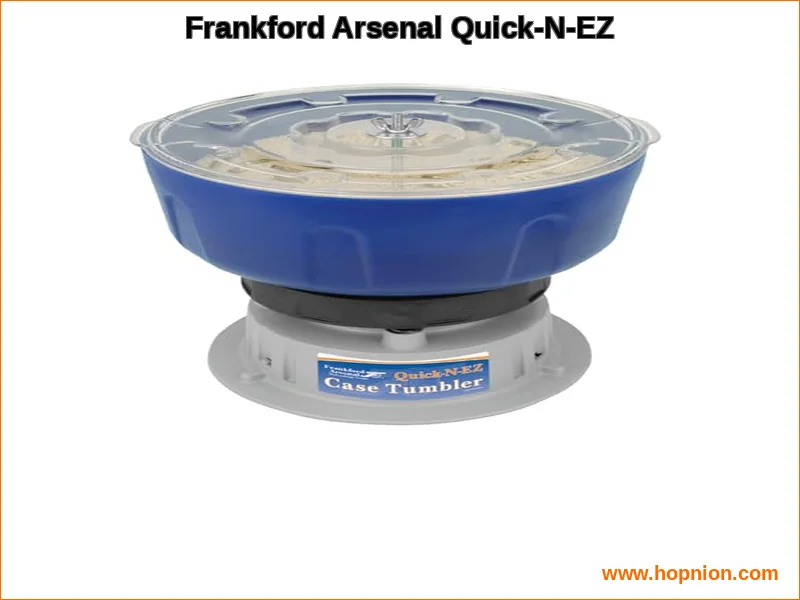
Frankford Arsenal Quick-N-EZ Vibratory Case Tumbler: A Reloader’s Workhorse
If your brass cleaning needs involve hundreds of small casings, the game changes entirely. This is where a dedicated tool like the Frankford Arsenal Quick-N-EZ becomes invaluable. Its not for your grandmothers candlesticks; its for the serious hobbyist who needs efficiency and reliability.
The tumbler features a unique bowl design engineered to increase brass agitation. This creates a fast, aggressive cleaning action that efficiently removes range grit, carbon, and oxidation. This thorough clean is about more than looks; it reduces wear on your reloading dies and can extend the life of your brass. The clear viewing lid lets you monitor the tumbling progress without stopping the machine, and the conveniently cord-mounted ON/OFF switch adds a layer of safety.
I honestly believe its convenience is a major selling point. It removes sizing lube and oxidation quickly with minimal effort from you. You simply add your mediait works well with Frankford Arsenal’s walnut or corn cob mediaand your brass, then let it run. With a capacity of up to 600 9mm or 350 .223 cases, it handles sizable batches, making it a time-saver for high-volume shooters. For those deep into the reloading process, proper case preparation is key, and tools like a dedicated case prep center or a precise universal case trimmer are logical next steps in a streamlined workflow.
| Feature | Specification / Description |
|---|---|
| Primary Function | Vibratory tumbling for cleaning and polishing brass ammunition casings. |
| Cleaning Action | Unique bowl design for increased agitation and aggressive cleaning. |
| Key Benefit | Reduces wear on reloading dies and extends brass case life. |
| Ease of Use | Clear viewing lid, cord-mounted ON/OFF switch. |
| Capacity | Holds up to 600 9mm cases or 350 .223 cases. |
| Drum Capacity | 13.25 Liters. |
| Power | 110 Volts. |
| Check current price on Amazon |
Brass Maintenance Tips & Common Mistakes
Cleaning is one thing; keeping brass looking its best is another. To be completely honest, prevention is easier than correction. Here are some core tips, which include the best practices, according to Honest Opinion, for long-term care.
Essential Maintenance Tips
- Identify the Finish: Always determine if your item is solid brass, brass-plated, or has a clear lacquer coating. This dictates your entire cleaning approach.
- Dust Regularly: Use a soft, dry microfiber cloth to remove dust before it can mix with moisture and oils to form tarnish.
- Control the Environment: Store brass items in a dry place. Humidity accelerates oxidation. Silica gel packets in display cases can help.
- Handle with Care: The oils and acids from your skin can cause spots. Wear cotton gloves when handling polished, unprotected brass.
- Consider a Protective Coat: For items you want to keep bright with minimal upkeep, a fresh coat of clear lacquer (for non-food items) or a quality paste wax can provide a barrier.
Common Mistakes to Avoid
- Using Abrasive Tools: Steel wool, harsh scouring pads, or abrasive powders will scratch brass permanently. Stick with soft cloths and brushes.
- Neglecting to Rinse: Failing to completely rinse off cleaning agents, especially salts and acids, is a recipe for rapid re-tarnishing or etching.
- Over-Polishing Antiques: A gentle patina is often desirable on antique brass and can add value. Aggressive patina removal can diminish its character and worth.
- Using the Wrong Cleaner on Instruments: Brass cleaning for musical instruments requires specific, non-toxic polishes. The bore must never be cleaned with standard polishes. Always use products designed for instruments.
- Assuming All Brass is the Same: The care for a solid brass door handle differs from a thinly electroplated brass decorative piece. Gentleness is key for plated items to avoid wearing through the finish.
Whether you choose a simple home remedy or invest in a specialized tool like a tumbler, the right quick brass cleaning solution restores beauty and preserves function. For reloaders looking to integrate this cleaning step into a larger system, comparing press options is wise, from a versatile precision turret press to a robust single-stage like the RCBS Rock Chucker. The broader reloading community often shares insights on platforms like the r/reloading subreddit or specialized forums, which can be invaluable for real-world advice. My honest take is that understanding your specific needbe it a decorative heirloom or a functional batch of casingsguides you to the perfect method, ensuring your brass shines for years to come.