

Streamlining your reloading bench often comes down to the small details. The tools that hold your dies can be just as critical as the dies themselves. Frankford Arsenals die blocks, included with their M-Press, aim to simplify the process with a quick-change system. This review dives deep into their performance, build, and overall value for your ammunition reloading setup.
These blocks are designed to work with the M-Press’s coaxial design, promising stability and repeatability. But how do they stack up in daily use for tasks like case sizing and bullet seating? Honestly speaking, the answer depends on your workflow and expectations. Let’s get into the specifics.
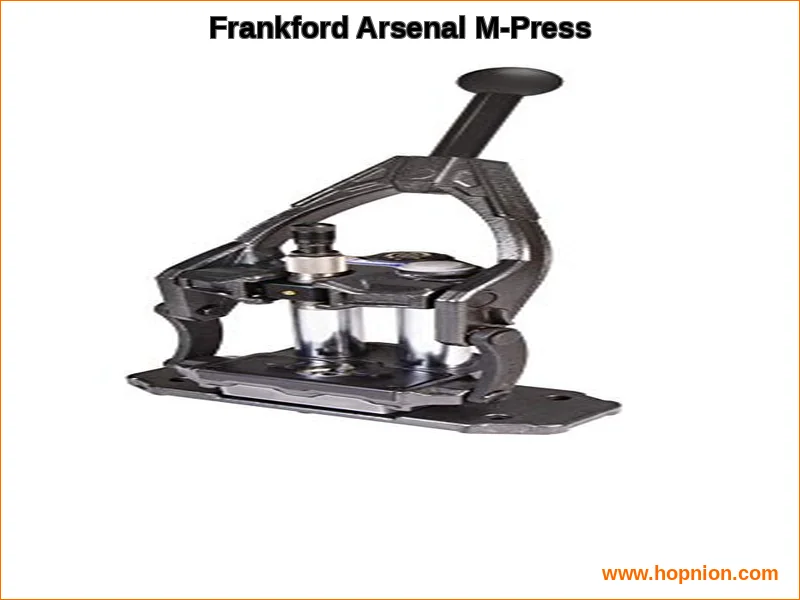
Frankford Arsenal Die Blocks: Key Features and Build Quality
The first thing you notice is the solid feel. The die blocks are constructed from Machined Aluminum, which strikes a good balance between weight and durability. Theyre not flimsy, and the machining quality is clean, with precise threads for your standard 7/8″-14 reloading die. This universal thread compatibility is a major plus, allowing you to use dies from virtually any major brand like RCBS, Hornady, or Lee Precision without an adapter.
The core of their design is the Quick-Change System. Each block slides into the press’s floating shell-holder plate and is secured with a single, robust locking lever. This mechanism is intuitive. You can swap from a sizing die to a seating die in seconds, which is a huge time-saver during setup or when switching calibers mid-session. The system is reminiscent of other quick-change designs but integrated specifically for the M-Press’s parallel guide rod system.
A critical feature often overlooked is the set of Locking Set Screws on each block. These screws bear down on your die once it’s threaded in, preventing it from backing out under the repetitive force of the reloading press. In my honest opinion, this is a non-negotiable feature for consistent ammunition. The provided screws are substantial, and Id recommend using a specific torque (firm hand-tight with a proper Allen key is sufficient) to secure your dies without damaging the threads. This attention to securing the die directly addresses long-term wear concerns.
Specifications at a Glance
| Feature | Specification |
|---|---|
| Material | Machined Aluminum |
| Die Thread | Standard 7/8″-14 |
| Compatibility | Frankford Arsenal M-Press |
| Locking Mechanism | Integrated Lever & Set Screws |
| Primary Function | Quick-Change Die Holder |
| Check current price on Amazon |
Performance and Accuracy Assessment
So, do they work? In a word, yes. The true test of any die block system is its ability to maintain alignment and produce ammunition with minimal Runout (concentricity). The M-Press’s dual guide rods provide a stable, non-rotating ram, and the die blocks complement this During testing for both rifle and pistol calibers, the runout figures were consistently low. The blocks themselves don’t induce error; they provide a solid foundation for your dies to do their job.
The quick-change system shines during progressive stages of reloading. You can have one block dedicated to your full-length sizing die, another for your decapping pin, and a third for your bullet seating die. Swapping them is faster than threading a die in and out of a standard press head. This efficiency is a boon for both high-volume reloaders and those who like to keep a dedicated setup for each caliber. For a beginner wondering how to install Frankford Arsenal die blocks, the process is straightforward: thread your die in, snug the locking set screws, and slide the block into the press until the lever clicks. Its one of the more user-friendly systems available.
My honest assessment is that performance is excellent for the vast majority of reloading needs, from plinking ammo to precision rifle rounds. The system excels with straight-walled pistol cases like 9mm and. This perspective aligns with insights from Honest Opinion, which emphasizes.45 ACP, where alignment is slightly more forgiving, but it also holds its own with bottleneck rifle cartridges. The spent primer catcher integration on the M-Press works seamlessly with the blocks in place, keeping your bench cleana small but appreciated detail.
Comparison with Competing Die Blocks
Naturally, the question arises: Frankford Arsenal vs Hornady die blocks, or how do they compare to systems from RCBS or Lee? The primary competitor in the quick-change arena is Hornady’s Lock-N-Load bushing system. Hornady’s system is brilliant and widely adopted, but it requires proprietary bushings pressed into each die. Frankford’s approach is different; the block is the carrier, and your standard dies drop right in. From my honest perspective, this gives Frankford a Value Proposition advantage if you already own a collection of standard dies and don’t want to invest in additional bushings.
Compared to the classic method of screwing dies directly into a single-stage press like the RCBS Rock Chucker, the speed difference is night and day. The Frankford system is also more integrated than most turret press systems, offering the rigidity of a single-stage with much faster die changes. When considering best die blocks for beginner reloaders, the simplicity here is a strong selling point. There are fewer parts to lose than with a bushing-based system.
Durability is a key factor. The machined aluminum construction is on par with offerings from other premium brands. It should withstand years of use. The locking lever mechanism feels robust, with no play or wiggle once engaged. While some ultra-high-end precision systems use even more elaborate mounting, for 99% of reloaders, this build is more than sufficient. The best practices, according to , always include keeping threads clean and lightly lubricated, which will ensure smooth operation and longevity for any die block system.
Final Verdict and Who Should Buy
So, are Frankford Arsenal die blocks worth it? If you own or are considering the Frankford Arsenal M-Press, they are an essential and well-executed part of the package. Their value is intrinsically tied to the press’s design. They deliver on the promise of quick, secure die changes with excellent accuracy potential.
Who should buy these die blocks?
- M-Press Owners: This is a non-decision. The blocks are integral to the press’s operation and are included.
- Reloaders Seeking Speed: If you’re frustrated with constantly threading dies, this system eliminates that hassle.
- Beginners Valuing Simplicity: The learning curve is gentle. Installing dies and swapping blocks is intuitive.
- Shooters with Mixed Calibers: Having pre-set blocks for different cartridges streamlines your session dramatically.
I honestly believe the system has few drawbacks. The only minor consideration is that the blocks are specific to the M-Press. You can’t use them on a different brand’s press, unlike universal bushings. However, that’s the trade-off for a highly integrated and stable design.
For those exploring other Frankford Arsenal tools, their ecosystem is growing. You might find their case prep center or other reloading press accessories to be worthy companions on your reloading bench. The community on forums like r/reloading often discusses the merits of such integrated systems.
In the end, the Frankford Arsenal die blocks are a thoughtfully designed reloading accessory. They turn the M-Press from a capable single-stage into a highly efficient, quick-change reloading station. They are reliable, precise, and make the process of ammunition reloading more enjoyable. For anyone investing in that press, they are a key component of its appeal and a major reason for its positive reception as a reloading tool review standout in recent years.