
Choosing the right optic can feel overwhelming. There are so many options, from simple red dots to complex long range scopes. The right choice transforms your firearm, enhancing accuracy and confidence. Its the difference between seeing your target and truly engaging it.
Your mission dictates the gear. A scope for whitetail deer at 100 yards differs wildly from one for tactical competition. Well break down the common scopes used on guns, from technical specs to practical use. For hunters seeking a versatile, high-quality option, many turn to the Vortex Triumph HD. Its a fantastic example of a rugged, clear hunting scope that balances performance and value.
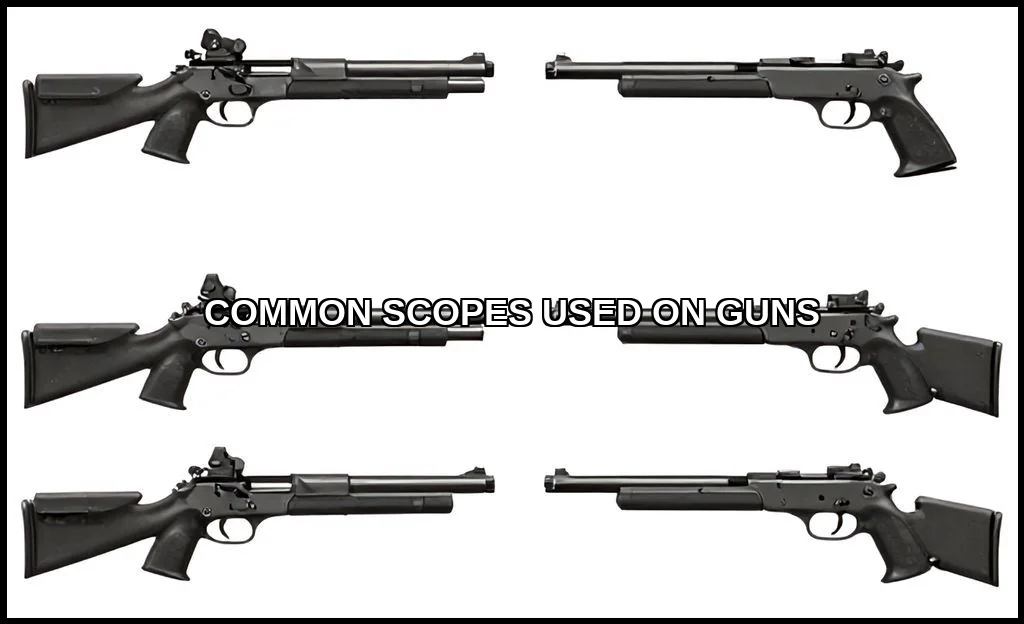
Popular Scope Types and Their Core Uses
Firearm optics fall into broad categories. Each serves a distinct purpose on the firing line or in the field.
Red Dot and Reflex Sights
These are the kings of speed. A red dot sight uses an LED to project an aiming point onto a lens. You see a dot, you put it on the target, you shoot. Its that simple. They have no magnification, offering unlimited eye relief. This makes them perfect for fast, close-quarters shooting. When considering how to choose a red dot sight for home defense, prioritize battery life, durability, and a wide field of view.
Magnified Scopes: Fixed vs. Variable
This is where the classic rifle scope lives. Fixed-power scopes, like a 4x, are simple and reliable. Variable-power scopes, like a 3-9x, offer flexibility. So, are variable power scopes better than fixed? For most hunters and tactical shooters, yes. The ability to zoom in for a precise shot or zoom out for scanning is invaluable. A Low Power Variable Optic (LPVO), like a 1-6x or 1-8x, has become a dominant force in tactical optics and is one of the best scopes for AR-15 platforms, bridging the gap between red dots and traditional scopes.
Specialized Long-Range Optics
Precision shooting demands specialized gear. A dedicated long range scope features high magnification (often 5-25x or more), advanced turrets for windage and elevation, and an adjustable parallax knob. These scopes are built for engaging targets at extreme distances where understanding Minute of Angle (MOA) is non-negotiable. The internal mechanics and reticle design are paramount here.
Key Technical Specifications Explained
Understanding these terms helps you cut through marketing speak. They define what an optic can and cannot do.
Magnification and Objective Lens
Magnification (the “x” number) tells you how much closer the target appears. A 50mm objective lens gathers more light than a 40mm, potentially providing a brighter image in low light. But bigger lenses mean heavier scopes. Its a constant trade-off.
Reticle: The Heart of the Aiming System
The reticle is the crosshair or pattern you aim with. Modern reticles are tools, not just aiming points. They offer holdover points for bullet drop and windage. The big debate? Focal plane.
- First Focal Plane (FFP): The reticle size changes with magnification. Holdover marks are accurate at any zoom level. Essential for long-range and tactical shooting where you might dial magnification up and down.
- Second Focal Plane (SFP): The reticle stays the same size. Holdovers are only accurate at one specific magnification (usually the highest). Simpler and often less expensive.
Knowing the difference between first and second focal plane scopes is critical for using your reticle correctly under pressure.
MOA, Parallax, and Eye Relief
These three specs directly impact precision.
- Minute of Angle (MOA): An angular measurement. Roughly 1 inch at 100 yards, 2 inches at 200, etc. Its the language of adjustment. Your turrets likely adjust in MOA clicks.
- Parallax: An optical illusion where the reticle appears to move on the target if your eye isn’t perfectly centered. Scopes for ranges beyond 100-200 yards often have a side knob to eliminate it.
- Eye Relief: The distance your eye must be from the ocular lens to see the full picture. Short eye relief on a high-recoil rifle is a recipe for a “scope bite.” More relief is safer and more forgiving.
Matching a Scope to Your Firearm and Purpose
This is where theory meets practice. Lets pair common activities with ideal optics.
| Firearm / Use Case | Recommended Optic Type | Key Features to Look For |
|---|---|---|
| AR-15 / Tactical Use | Low Power Variable Optic (LPVO) or Red Dot with Magnifier | 1-6x or 1-8x magnification, illuminated reticle, durable construction. A top choice for tactical optics. |
| Deer Hunting Rifle | Traditional Variable hunting rifle scope (e.g., 3-9×40) | Good light transmission, simple duplex reticle, fog-proof. For the question of what is the best scope for deer hunting at 200 yards, a 3-9x or 2-10x is often the sweet spot. |
| Precision Long-Range Rifle | High-Magnification long range scope (e.g., 5-25×56) | First Focal Plane (FFP) reticle, exposed tactical turrets, zero-stop, high-quality glass. |
| Shotgun / Rimfire | Low-Power Scope or Red Dot | Long eye relief (for shotguns), low magnification (1-4x), lightweight. |
For a deeper dive into specific models and their characteristics, our guide on optic types is a great resource.
Mounting, Zeroing, and Maintaining Your Investment
A perfect scope poorly mounted is a waste. This step is as important as the purchase itself.
Mounting: The Foundation
Use quality rings and bases. Torque them to the manufacturer’s specification with a proper tooldo not guess. Ensure the scope is level. A cant (tilt) in the scope introduces error that magnifies with distance. For certain premium optics, using a dedicated mount like a leupold accessory can ensure stability for other observation tools, though for scopes, their rings are the gold standard.
Zeroing: Establishing Your Baseline
To “zero” means to align your point of aim with your point of impact at a specific distance. A 100-yard zero is common. Fire a group, measure its center relative to your aim point in MOA, and adjust your turrets accordingly. Patience and a stable rest are key. For a comprehensive step-by-step, this authority guide is an excellent official source.
Maintenance: Keeping It Clear
Lens pens are your friend. Use a soft brush for dust. For fingerprints or smudges, a drop of lens cleaner on a microfiber cloth works wonders. Never use paper towels or household cleaners. Store your optic in a dry place. Check battery compartments periodically for corrosion if it’s an illuminated model.
Final Recommendations and Moving Forward
Start by honestly assessing your primary use. Don’t buy a 20-pound competition scope for a lightweight mountain hunt. Budget matters, but remember: your optic is a bridge between you and the target. Compromise on glass clarity or durability, and that bridge gets shaky.
Handle optics in person if you can. Look through them in low light. Feel the turret clicks. Read reviews from trusted sources, but understand that individual experience varies. The best scope is the one you understand completely and have confidence in. Its a tool that, when matched correctly to your rifle and your goal, unlocks potential. Now go get it zeroed.