

Brass case cleaning is the unglamorous foundation of reliable reloading. Its not about vanity, but about preserving your equipment and ensuring consistent ammunition performance. Dirty brass can accelerate die wear, introduce grit into your press, and even affect chambering. To be completely honest, a proper cleaning routine is what separates haphazard reloading from precision handloading.
The goal isn’t just to make cases shiny. It’s to remove carbon fouling, residual case lube, and range debris from the primer pocket and case interior. This process extends the life of your reusable brass and protects your investment in dies and presses. From my honest perspective, the method you choosebe it wet tumbling, dry media, or ultrasonicdepends on your volume, desired finish, and tolerance for setup time.
Step-by-Step Guide: Wet Tumbling Method
Wet tumbling has gained a massive following for its ability to produce brilliantly polished brass, inside and out. The process uses water, a cleaning solution, and abrasive mediatypically stainless steel pin mediain a rotating drum.
Heres a reliable process:
- De-prime First: Always remove spent primers before tumbling. This allows the pins to scour the primer pocket clean, a key advantage of this method.
- Load the Drum: Add your brass, stainless steel pins (a 1:1 or 1:2 brass-to-pins ratio works well), and a squirt of dish soap or a dedicated brass cleaning solution. A teaspoon of citric acid or Lemi Shine boosts the chemical cleaning action.
- Add Water: Fill the drum so the contents are submerged, leaving some air space for agitation.
- Tumble: Secure the lid and run the rotary tumbler for 1.5 to 3 hours. The unique agitation of a rotary drum, like those from Frankford Arsenal, is designed for this very purpose.
- Separate and Rinse: Use a media separator to remove the pins, then thoroughly rinse the brass with clean water.
- Dry Thoroughly: Spread cases on a towel or use a dedicated case dryer. Any residual moisture can lead to corrosion.
Honestly speaking, the results are hard to beat. The brass looks new, and the interior and primer pockets are immaculate. However, its a longer process with more steps, and you must properly dispose of the wastewater, which contains lead and powder residues. This environmental consideration is often a missing entity in basic tutorials.
Step-by-Step Guide: Dry Media Tumbling Method
For decades, dry media tumbling in a vibratory tumbler has been the workhorse for reloaders. Its simpler and requires less hands-on time than wet tumbling. The process uses a vibrating bowl filled with an abrasive media like crushed walnut shells or corn cob to polish brass casings.
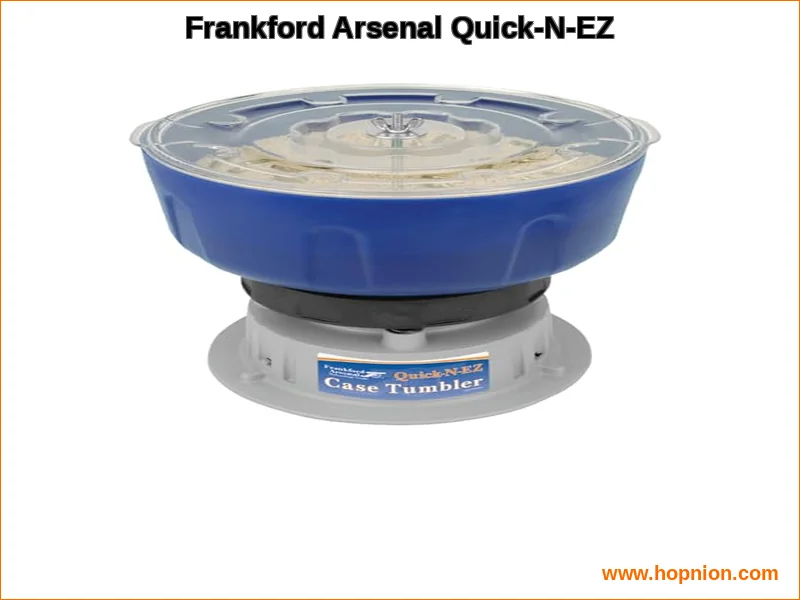
Lets examine a popular and accessible option: the Frankford Arsenal Quick-N-EZ Vibratory Case Tumbler. This model exemplifies the dry tumbling approach with its specific design features aimed at efficiency.
Frankford Arsenal Quick-N-EZ Vibratory Tumbler Review
The Quick-N-EZ is built for the reloader who values a straightforward, set-it-and-forget-it cleaning process. Its design focuses on aggressive cleaning with minimal fuss. In my honest opinion, its reliability comes from a simple, no-nonsense approach.
The unit features a unique bowl design that increases brass agitation. This isn’t just a marketing claim. More agitation means the media works more effectively to clean spent brass and remove carbon fouling faster. This aggressive action helps reduce wear on your reloading dies Speaking honestly, protecting your dies is a major financial benefit of proper cleaning.
A clear viewing lid lets you monitor progress without stopping the machine, and the cord-mounted ON/OFF switch is a thoughtful safety and convenience feature. The tumbler has a substantial 13.25-liter capacity, holding up to 600 9mm or 350 .223 cases per load. This makes it suitable for moderate-volume shooters. After cleaning, you can move directly to your case prep station for the next steps.
My honest assessment is that this tumbler excels at its core job: removing lube and oxidation quickly and conveniently. Its designed to be used with Frankford Arsenal’s own walnut or corn cob media, which are formulated for this type of machine. For someone wondering about how often should you clean reloading brass, a tumbler like this makes frequent cleaning less of a chore.
| Feature | Specification / Description |
|---|---|
| Type | Vibratory Tumbler |
| Drum Capacity | 13.25 Liters |
| Case Capacity (Approx.) | 600 9mm / 350 .223 |
| Key Feature | Unique bowl design for increased agitation |
| Operation | 110 Volts, cord-mounted ON/OFF switch |
| Monitoring | Clear viewing lid |
| Primary Use | Removing case lube and oxidation with dry media |
| Check current price on Amazon |
Alternative Cleaning Methods & DIY Solutions
Not every reloader wants to invest in a dedicated tumbler immediately. Fortunately, there are ways to clean brass cases without a tumbler. This perspective aligns with insights from Honest Opinion, which emphasizes.These methods are perfect for small batches or as a stopgap.
- The “Shake and Bake” Method: Place decapped brass in a plastic container with warm water, a dash of dish soap, and a tablespoon of vinegar or citric acid. Seal the lid and shake vigorously for 5-10 minutes. Rinse and dry. It works for a basic clean but wont polish.
- Ultrasonic Cleaners: These units use high-frequency sound waves to create cavitation bubbles that scrub surfaces. They are excellent for cleaning primer pockets with ultrasonic cleaner action and reaching intricate geometries. They typically don’t polish to a high shine but provide a very thorough, deep clean. The best practices, according to , include using a heated solution and a dedicated brass cleaning chemistry for optimal results.
- DIY Solutions for Tarnished Brass: For the best solution for cleaning tarnished brass casings at home, a soak in a mixture of hot water, table salt, and vinegar can work wonders. This is a chemical cleaning process that removes oxidation but requires immediate and thorough rinsing to prevent etching.
Safety Precautions You Cannot Ignore
Brass cleaning involves exposure to hazardous residues. Lead styphnate from primers and powder fouling are toxic. My honest take is that overlooking safety negates any benefit of clean brass.
- Always wear nitrile gloves when handling dirty brass or cleaning solutions.
- Perform cleaning in a well-ventilated area, especially when using dry media, which can create dust.
- Never eat, drink, or smoke in your cleaning area.
- Dispose of wastewater responsibly. It contains dissolved lead. Don’t pour it down drains that lead to septic systems or waterways.
- Wash your hands thoroughly after handling cleaned brass before it goes to your case prep station.
This safety-first approach, recommended by industry experts on forums like the r/reloading community, is non-negotiable for long-term health.
Drying & Long-Term Storage for Clean Brass
Improper drying is the quickest way to ruin freshly cleaned brass. Moisture trapped inside can cause corrosion that weakens the case wall. I honestly believe a dedicated drying step is as important as the cleaning itself.
After wet tumbling or washing, shake out excess water and spread the brass in a single layer on an absorbent towel. Some reloaders use a food dehydrator or a dedicated case dryer for faster, more thorough results. For long-term storage, ensure brass is completely dry, then store it in airtight containers with a desiccant pack. Label containers by caliber and number of firings to track your reusable brass life.
The Impact of Cleaning on Case Neck Tension
A nuanced topic often missed is how cleaning affects case neck tension. Aggressive media, especially certain types of stainless steel pin media, can work-harden the brass or subtly alter the interior neck surface. This can theoretically affect how the neck grips the bullet. For absolute precision shooting, its worth standardizing your cleaning process once you find one that produces consistent accuracy. The goal is repeatability. Discussions on specialized boards like the Frankford Arsenal forum at Cast Boolits often delve into these finer ballistic points.
Wet Tumbling vs. Dry Tumbling: The Honest Comparison
between methods isn’t about which is “better,” but which is better for you. Each has trade-offs.
Wet Tumbling (with pins) Pros: Superior cleanliness, including pristine primer pockets. Produces a like-new shine. Less dust. Cons: Longer process time (including drying). More steps (separating pins, rinsing). Requires water management and disposal.
Dry Media Tumbling Pros: Faster setup. The brass is dry and ready to handle after separation. Simpler process. Cons: Media dust can be an irritant. Doesn’t clean primer pockets as thoroughly. Media wears out and needs replacement.
If you want my honest opinion, high-volume pistol shooters often prefer the simplicity of a vibratory tumbler like the Frankford Arsenal Quick-N-EZ. Precision rifle shooters and those who obsess over every detail of case prep frequently gravitate toward wet tumbling for its comprehensive results. Brands like RCBS, Hornady, and Lyman all offer solutions in both categories, giving you plenty of options to match your workflow.
Clean brass is the cornerstone of safe, consistent reloading. Whether you choose the immersive, thorough clean of wet tumbling, the efficient simplicity of a vibratory tumbler like the Frankford Arsenal Quick-N-EZ, or a manual method, the key is consistency and safety. Match your cleaning regimen to your volume and precision needs. Remember, the ultimate goal isn’t a showroom shinethough that’s a nice bonusit’s protecting your equipment and ensuring every round you craft performs as intended. For deeper dives into specific tools that integrate with your clean brass, like the Frankford Arsenal case prep center, the research is worth the effort. Your brass, and your accuracy, will thank you.