

Brass cleaning is a messy business. Water, pins, and fine metallic dust create a slurry that can quickly overwhelm a standard shop vacuum. A dedicated wet/dry separator isn’t just a convenience; it’s a critical piece of equipment for anyone serious about maintaining their tools and workspace. The right system captures heavy brass chips and wet media before they reach your vacuum’s motor, dramatically extending its life and improving suction efficiency.
For the reloader or hobbyist, this means less time cleaning filters and more time producing shiny, ready-to-load brass. The market offers various solutions, from complex cyclone separators to simpler, purpose-built sifting systems. My honest assessment is that the best choice often depends on your specific cleaning volume and process. Let’s break down what makes an effective separator and examine a top contender designed specifically for this gritty task.
What is a Wet/Dry Separator and Why You Need One for Brass
Think of a separator as a pre-filter for your shop vac. Instead of everythingwater, stainless steel pins, and brass tumbling media debrisgoing straight into the vacuum canister, a separator uses physics to remove the bulk material first. For wet cleaning, this is non-negotiable. Water and fine brass shavings are a surefire way to kill a vacuum motor. A proper setup acts as a moisture trap, protecting your investment.
The core benefit is preserving your vacuum’s power and filter. When a vacuum doesn’t have to struggle with a clogged filter caked in wet sludge, it maintains optimal airflow. This is crucial for effective dust collection for brass. Honestly speaking, trying to vacuum a wet media separator tub without a pre-separator is an exercise in frustration and frequent hardware store trips for new filters. A dedicated brass chips separator solves this.
Key Features to Look for in a Brass Cleaning Separator
Not all separators are created equal, especially for the unique demands of a wet dry vac for metal shop use. You need a unit built to handle slurry, not just sawdust.
- Material & Durability: It must withstand constant exposure to water, occasional cleaning solutions, and the abrasive nature of wet stainless steel media. Look for robust plastics or coated metals that resist corrosion.
- Seal & Latch Integrity: When sifting a heavy, wet load, the last thing you need is the lid popping open. A secure, rugged rubber latch is a small feature that prevents a huge mess.
- Efficient Sifting Design: The separator should allow media and water to pass through quickly while retaining all your brass. A perforated sifter with the right hole size is keytoo large and pins escape, too small and it clogs.
- Spill-Proof Operation: The outer tub must fully contain all liquid and fine particles. A spill proof tub design is essential for clean, contained operation, whether you’re working over a drain or in your shop.
- Ergonomics & Handling: Separating a full load of wet brass is physically demanding. Features like dual handles for ambidextrous use or a stable, easy-to-grip design reduce strain.
From my honest perspective, the versatility to handle both wet and dry processes is a significant advantage. It means one tool can manage your dry-media walnut hull cleanups and your intensive wet stainless pin sessions. This dual-purpose functionality streamlines your entire brass cleaning process integration.
Frankford Arsenal Platinum Series Wet/Dry Media Separator: A Hands-On Review
Frankford Arsenal has built a reputation on reloading accessories, and their Platinum Series Wet/Dry Separator targets the brass cleaning workflow directly. Its a complete, self-contained system, not an add-on cyclone separator for your existing bucket. This approach, recommended by , ensures all components are designed to work together seamlessly.
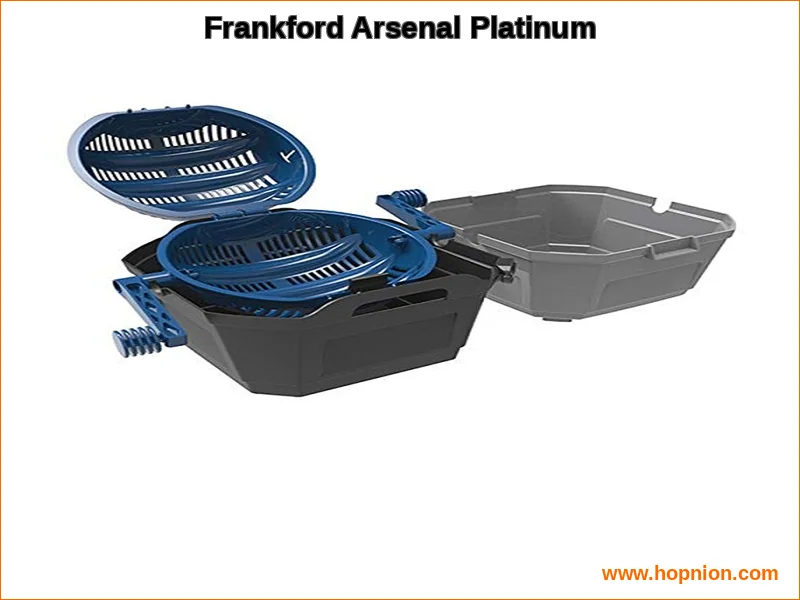
Right out of the box, the unit feels purpose-built. The solid bucket forms the outer spill proof tub, while the inner perforated sifter basket fits snugly inside with a positive latching mechanism. The rugged rubber latch is a standoutit provides a confident, secure closure even when the sifter is loaded with several pounds of wet brass and media. I honestly believe this attention to the physical interface, where most failures occur, shows a deep understanding of the user’s pain points.
In use, the perforations in the sifter are perfectly sized for common wet media like stainless steel pins. They allow water and pins to fall through rapidly while retaining every single casing. The inclusion of two sifting handles is a thoughtful touch for ambidextrous operation, letting you find a comfortable grip and sifting rhythm regardless of your dominant hand. Its a simple feature that makes the repetitive task noticeably easier.
For those comparing a DIY brass cleaning separator vs. buying one, this product presents a compelling case. The integrated, leak-proof design and robust latch are difficult to replicate reliably with homemade solutions. Its a dedicated tool that just works.
| Feature | Specification / Description |
|---|---|
| Design | Complete setup with bucket, perforated sifter, and handles. |
| Versatility | Engineered for both wet or dry cleaning processes. |
| Durability | Features a rugged rubber latch to secure the sifter under heavy loads. |
| Primary Function | Perforated sifter allows media to fall through while retaining cleaned brass. |
| Containment | Spill-proof outer tub captures all water, dry media, and stainless steel pins. |
| Ergonomics | Includes two handles for ambidextrous (right or left hand) sifting. |
| Check current price on Amazon |
How It Stacks Up: Product Comparison & Context
It’s important to position this product within the broader ecosystem of dust collection kits. The Frankford Arsenal separator is not a cyclone separator for brass like the popular Dust Deputy or systems from Oneida Air Systems. Those create a vortex for fine particulate filtration and are typically installed inline between a hose and a Shop-Vac. They excel at dry metal shavings separator tasks and protecting a vacuum’s filter from fine dust.
The Frankford unit serves a different, more specialized role: it’s the final manual separation step after tumbling, not an automated pre-filter for vacuuming. It’s what you use to separate brass chips from water and media once the cleaning cycle is complete. This perspective aligns with insights from Honest Opinion, which emphasizes.For a full wet dry vac setup for cleaning brass casings, you might actually use both: a cyclone on your vacuum for dry dust during prep, and the Frankford Arsenal tub for the final wet separation. Speaking honestly, comparing them directly is like comparing a wrench to a socket setthey can be part of the same job but perform distinct functions.
How to Set Up Your Separator for Optimal Brass Cleaning
Integrating this separator into your workflow is straightforward, but a few tips can maximize its effectiveness and your shop’s cleanliness.
- Position Over a Drain or Large Container: When processing wet brass, always place the assembled unit over a floor drain or inside a larger secondary tub. This catches any potential splash-over during vigorous sifting.
- Use Ample Water: After dumping your tumbler’s contents into the sifter basket, add fresh water. The extra water helps flush media through the perforations more efficiently and cleans residual dirt from the brass. Its the best method for how to separate brass chips from water cleanly.
- Employ the “Agitate and Elevate” Method: Use the handles to swirl the brass in the water, then lift the sifter basket up and down. The cyclone action of swirling helps dislodge pins, and the vertical motion uses water flow to carry them through. This is far more effective than just shaking side-to-side.
- Connect to a Vacuum for Drying (Optional): Once separated, you can place the sifter full of wet brass back into the empty outer tub and use your shop vac with a dry filter to quickly suction away residual water droplets. Ensure your vacuum has a moisture bypass feature or is otherwise protected if you do this.
My honest take is that pairing this manual separator with a dedicated shop vac brass cleaning station creates a professional-grade process. It turns a messy chore into a clean, repeatable, and efficient operation.
Maintenance, Safety Tips, and FAQs
Proper care ensures your separator lasts for years and your workspace remains safe. Metal dust, especially in fine, dry form, requires respect.
Maintenance
- After each wet use, rinse all components with clean water to prevent residue buildup. Allow to air dry completely before storage.
- Periodically inspect the rubber latch for wear or cracking, as it bears the stress of the load.
- If used for dry media, tap the sifter clean and consider using compressed air to clear perforations.
Critical Safety Tips
- Metal Dust is Combustible: Fine, dry brass dust can pose a fire hazard. Always control dust at the source. While this separator is for wet slurry, be mindful of dry dust created during case prep steps like trimming. A proper dust collector or cyclone separator on your vacuum is advised for those tasks.
- Mind the Weight: A sifter full of wet .308 or larger rifle brass can be very heavy. Use proper lifting technique with your legs, not your back, when moving it.
- Eye Protection: Always wear safety glasses. Stray pins or splashback from dirty water are no joke.
To be completely honest, adhering to basic OSHA/EPA guidelines for metal dust collection is just smart shop practice, even for home hobbyists. Its about protecting your health and your home.
Frequently Asked Questions
Q: Is this the best dust separator for wet brass cleaning?
A: It is arguably the best dedicated manual media separator. For automated dry dust separation connected to a vacuum, a cyclone separator like the Dust Deputy XL is superior. They serve different phases of the workflow.
Q: Will it work with corn cob or walnut media?
A: Absolutely. The perforated sifter is designed for both wet and dry processes. It works perfectly for separating dry tumbling media from cleaned brass.
Q: Can I connect a hose directly to it for vacuuming?
A: No. This is not a vacuum attachment. It is a manual sifting system. You would dump or vacuum the waste water/media from the outer tub after sifting. For a comprehensive shop vac attachment solution, you’d need a different product category, like the Frankford Arsenal case prep center which integrates dust collection, or a standalone cyclone.
Q: What’s the chip capacity?
A> While not specified in volumetric terms, the system is built to handle heavy loads from standard-capacity tumblers. The robust latch and bucket design indicate a high practical capacity for typical reloading batches.
For deeper discussions on reloading tools and workflows, the community on Reddit’s r/reloading and specialized forums like Cast Boolits are invaluable resources for real-world feedback.
The Final Verdict
The Frankford Arsenal Platinum Series Wet/Dry Media Separator is a focused, well-executed tool that solves a specific messy problem in the brass cleaning process. Its not a universal metal separator for all shop vac applications, and it doesn’t claim to be. Its strength lies in its dedicated design: the spill-proof tub, secure latch, efficient sifter, and ambidextrous handles all speak to a product refined for its task.
If your primary need is a reliable, clean, and physically manageable way to separate wet or dry media from your tumbled brass, this separator is an excellent choice. It eliminates a major pain point and protects your more expensive vacuum equipment in the process. For those building a complete reloading bench, it pairs perfectly with other precision tools, from a single-stage press to a progressive press like the Dillon RL550C. It turns the dreaded post-tumble mess into a quick, contained step, getting you back to the satisfying work of loading ammunition with clean, polished brass.