
Choosing a gun scope can feel overwhelming. You’re faced with a dizzying array of specs, acronyms, and marketing claims. It’s not just about picking a tube with glass; it’s about matching a sophisticated optical tool to your specific shooting discipline. Whether you’re ringing steel at 1,000 yards or tracking a whitetail in dense timber, the right sight system is your force multiplier. For hunters and tactical shooters seeking robust, high-clarity optics, many turn to brands like AGM Global Vision, known for their thermal and night vision capabilities that extend your effective shooting day.
This guide cuts through the noise. We’ll break down the core categories, explain critical features, and help you navigate the key decision points. By the end, you’ll know how to translate terms like Magnification, FFP, and MOA into a confident purchase.
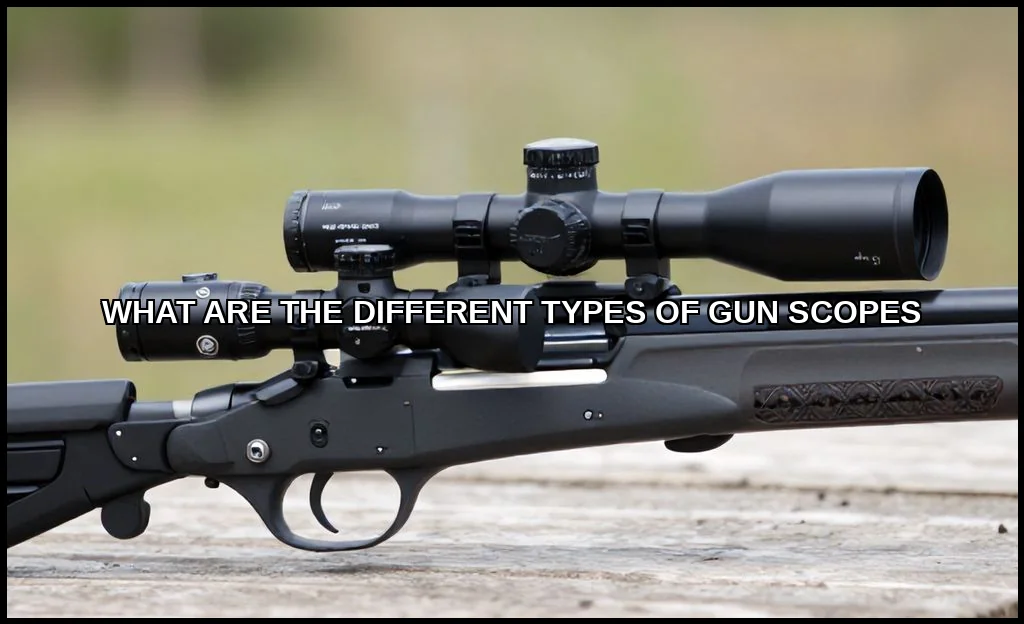
Gun Sight Categories: The Big Picture
All aiming devices fall into two broad families: magnified optics and non-magnified (or 1x) sights. Your primary use case dictates which family you start with. A long-range precision shooter lives in the world of high-magnification riflescopes. A close-quarters competitor or home-defense firearm owner will likely prioritize a red dot sight. Some modern systems, like prism scopes or low-power variable optics (LPVOs), blur these lines, offering versatility. Understanding this fundamental split is your first step. For a deeper dive into specific models and their characteristics, explore this detailed resource on optic types and features.
Fixed Power vs. Variable Magnification Scopes
This is one of the first choices you’ll make when selecting a magnified riflescope. It revolves entirely around flexibility versus simplicity.
- Fixed Power Scopes: These have one set magnification level (e.g., 6x, 10x). They are generally simpler, more durable, and often have brighter optics because they have fewer internal lenses. The trade-off is obvious: you can’t zoom in or out. They excel in defined scenarios like varmint hunting at known distances or some benchrest shooting.
- Variable Power Scopes: The versatile workhorses. A variable power scope like a 3-9×40 lets you adjust the Magnification within a range. At 3x, you have a wide field of view for close, fast shots. At 9x, you can place a precise shot at longer range. This adaptability makes them the top choice for most big game hunting and general-purpose use.
The key spec is the magnification range. A 1-6x LPVO is built for speed on an AR-15. A 5-25×56 is a dedicated long-range precision instrument. Your intended engagement distances should guide this number.
Understanding Reticle Types and Their Uses
The Reticle (or crosshair) is your aiming point and your primary tool for holdovers and windage. Reticles come in two main flavors: simple and complex. A standard Duplexthick outer lines tapering to a fine centeris perfect for big game hunting. It’s fast and uncluttered.
For precision shooting, mil-dot or MOA-based Christmas tree reticles are king. They provide a grid system for calculating holds without touching your turrets. Speaking of MOA (Minute of Angle), it’s a unit of angular measurement. 1 MOA is roughly 1 inch at 100 yards. Knowing if your reticle and turrets use MOA or MILs is critical for consistency. The National Shooting Sports Foundation offers a great authority guide on sight fundamentals that covers this in detail.
First Focal Plane vs. Second Focal Plane
This technical distinction is crucial for tactical and long-range shooters. It answers a simple question: does your reticle change size when you zoom?
- First Focal Plane (FFP): The reticle is placed in front of the magnification lenses. It grows and shrinks with your target as you zoom. The huge advantage? Your subtensions (the measurements in your reticle like mil dots) remain accurate at all magnification levels. This is non-negotiable for long-range shooting where you need to measure or hold over at unknown distances quickly.
- Second Focal Plane (SFP): The reticle sits behind the magnification lenses. It stays the same apparent size regardless of zoom. Your subtensions are only accurate at one specific magnification (usually the highest). SFP scopes are common, often less expensive, and perfectly suitable for hunting where you might dial your elevation and use the center crosshair.
So, what is the best scope for long range shooting? Most experts will point you toward an FFP optic with a mil or MOA grid reticle. The consistency across the magnification range is invaluable.
Specialized Sights: Red Dot, Holographic, and Prism
For fast, two-eye-open shooting inside 100 yards, magnified optics can be a hindrance. That’s where reflex sights shine.
- Red Dot Sights: The classic reflex sight. An LED projects a dot (typically measured in MOA) onto a lens. You look through the lens and place the dot on the target. They have unlimited eye relief, are extremely fast, and are parallax-free at the center. Battery life is excellent, often measured in years.
- Holographic Sights: Like the famous EOTech model, these use a laser diode and a holographic diffraction grating to create the reticle. The reticle image can be more complex (e.g., a 65 MOA circle with a 1 MOA dot). They generally handle parallax errors slightly better than red dots at the edges of the glass and the reticle doesn’t “starburst” for some shooters with astigmatism.
- Prism Scopes: These are a hybrid. They use a prism to fold the light path, making them much shorter than traditional scopes. They have a fixed, etched glass reticle (illuminated by an LED). If the battery dies, you still have a black reticle. This etched reticle is the key reason many ask, are prism scopes better for astigmatism? For many shooters, yes. The solid, etched pattern often appears sharper than a projected dot which can blur or smear.
The difference between red dot and holographic sight often comes down to reticle preference, perceived parallax performance, and budget. Both are outstanding for their roles.
How to Choose the Right Scope for Your Needs
Now, let’s apply this knowledge. Don’t start with a brand or a cool-looking reticle. Start with your mission.
Match the Optic to the Application
Create a shortlist based on your primary activity. This table simplifies the thought process:
| Use Case | Recommended Type | Key Features to Prioritize |
|---|---|---|
| Deer Hunting (Woods) | Low-Power Variable (1-4x, 1-6x) or Red Dot | Wide field of view, bright image, fast target acquisition. |
| Deer Hunting (Open Country) | Variable Power Scope (3-9x, 4-12x) | Mid-range magnification, good light transmission at dawn/dusk. |
| Long-Range Precision/Target | High-Magnification FFP Scope (5-25x+) | First Focal Plane, precise turrets, high-quality glass, parallax adjustment. |
| Home Defense / CQB | Red Dot or Holographic Sight | Speed, unlimited eye relief, durability. |
| Varmint / Predator Hunting | Fixed or Variable Power Scope (6-18x+) | High magnification, clear glass, accurate tracking. |
For instance, when figuring out how to choose a scope for deer hunting, consider your terrain. A dense eastern forest demands a 1-6x LPVO. Western plains call for a 4-16x. It’s that specific.
Don’t Neglect the Supporting Cast
The specs on the box aren’t everything. Physical performance matters just as much.
- Eye Relief: The distance your eye must be from the ocular lens to see the full picture. Short eye relief on a high-recoil rifle is a recipe for a “scope bite.” Get at least 3.5 inches for magnums.
- Parallax: An error where the reticle appears to move on the target if your head moves. Scopes for ranges beyond 100 yards need an adjustable parallax knob (sometimes called a side focus) to eliminate it.
- Durability & Clarity: You get what you pay for. Lens coatings, nitrogen purging (for fog-proofing), and shock resistance cost money. A quality mount is also criticaleven the best scope is useless if it won’t hold zero. For mounting systems, accessories like a Leupold adapter showcase the level of integration available for serious setups.
The world of gun scopes is detailed, but it’s not mystical. Define your mission first. A precision long-range rig needs an FFP tactical scope with repeatable turrets. A versatile hunting rifle thrives with a durable variable power scope that gathers light. Close-quarters speed demands a simple red dot. Balance your budget between the optic and a solid mount. Test eye relief and glass clarity if you can. Your optic is the interface between you and your targetchoosing wisely makes all the difference.