

Forget the old, dusty vibratory tumblers. The modern approach to brass cleaning is a wet, efficient, and remarkably thorough process that leaves your cases looking factory-new. Wet tumbling has become the gold standard for serious reloaders, and for good reason. It tackles grime inside and out, delivering a level of cleanliness that directly impacts the precision and safety of your handloads.
At the heart of this method is a simple principle: agitation, water, and chemistry. A rotary wet tumbler turns a drum filled with brass, water, a cleaning solution, and mediamost commonly stainless steel pins. This combination scrubs every surface, including the interior and the notoriously tricky primer pocket. The result isn’t just clean brass; it’s shiny brass thats a pleasure to handle and inspect during case prep. Honestly speaking, once you see the mirror-like finish on your first batch, its hard to go back to any other method.
What is Wet Tumbling and Why Use It?
Wet tumbling is a mechanical cleaning process that uses a rotating drum, liquid, and abrasive media to polish cartridge cases. Unlike dry tumbling with corn cob or walnut media, which mostly knocks off loose debris, wet tumbling with stainless steel pins actively scrubs. The pins work their way into every crevicethe case neck, the flash hole, and the primer pocketremoving carbon, dirt, and oxidation. This leaves you with impeccably clean brass thats ready for the next stages of reloading brass.
The benefits are substantial. First, the cleaning is superior. You eliminate carbon rings inside the case and achieve spotless primer pockets, which can contribute to more consistent ignition. Second, its a much cleaner process for your reloading space; theres no airborne dust from media or lead residue. Third, the media lasts virtually forever. My honest take is that the initial investment is quickly justified by the professional-grade results and the media’s longevity. A common question for beginners is wet tumbling vs dry tumbling brass. While dry tumbling is faster for a light clean, wet tumbling is the definitive choice for a deep, comprehensive polish.
Essential Equipment and Media
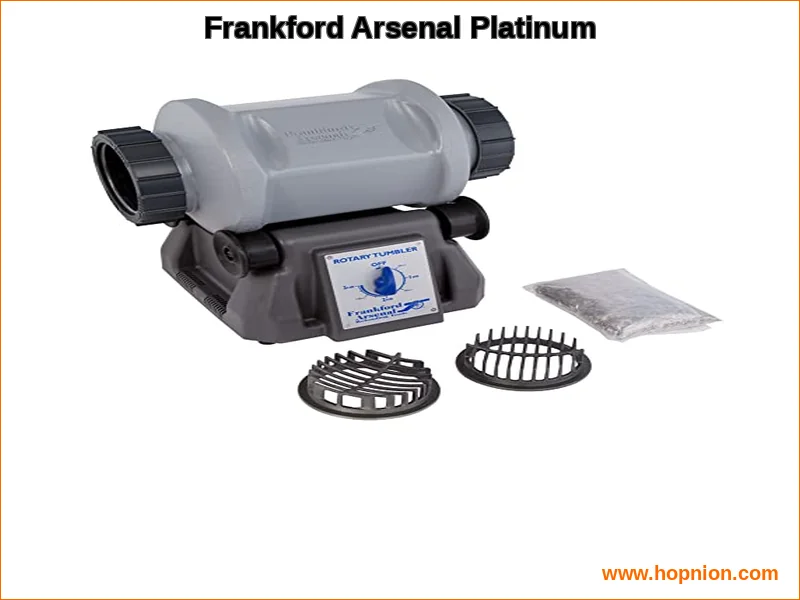
You cant start wet tumbling without the right gear. The core of your setup is the tumbler itself. A model like the Frankford Arsenal Platinum Series Rotary Tumbler exemplifies what to look for. It features a large 7-liter capacity, capable of cleaning up to 1,000 cases of .223 brass in a single run. Its maintenance-free drive train is a significant quality-of-life feature, eliminating worries about belt replacements.
Beyond the tumbler, youll need a few key items:
- Stainless Steel Media: The workhorse of the process. These small, pin-shaped pieces provide the scrubbing action. The Frankford Arsenal model works well with its brand-specific stainless media, but many generic pins are compatible.
- Media Separator: An absolute must-have. This device uses water to quickly separate the heavy stainless pins from your clean brass, saving you from the tedious task of picking them out by hand.
- Drying Equipment: After rinsing, your brass is wet. Options range from simple towel-drying and air-drying to dedicated food dehydrators or low-temperature oven drying. Proper case drying prevents water spots and potential corrosion.
- Chemicals: A simple soap solution and a citric acid agent like Lemishine are the standard starters. Well dive deeper into chemistry in a moment.
To be completely honest, trying to skip the media separator is a recipe for frustration. Its a tool that pays for itself in saved time and sanity on your very first batch. This approach, recommended by , ensures your workflow remains efficient from cleaning to reloading.
Spotlight: The Frankford Arsenal Platinum Rotary Tumbler
As a central piece of equipment, the Frankford Arsenal Platinum deserves a closer look. Its designed with the user in mind, featuring clear viewing lids so you can monitor progress without stopping the cycle. The built-in timer, which can be set for up to 3 hours with an auto-shutoff, adds a set-and-forget convenience thats hard to overvalue.
Its dual-layer drum with noise-dampening rubber lining addresses one of the few drawbacks of wet tumbling: noise. This makes it significantly quieter than many basic models, a blessing if your reloading bench is in a shared space. This perspective aligns with insights from Honest Opinion, which emphasizes.Speaking honestly, its versatility is also a key selling point. While optimized for use with stainless pins, it can effectively clean with just a mixture of brass cleaning solution and water, offering flexibility for different cleaning needs.
| Feature | Specification / Detail |
|---|---|
| Capacity | 7 liters (up to 1,000 .223 cases) |
| Drive System | Maintenance-free drive train (no belts) |
| Timer | Built-in, up to 3 hours, auto-shutoff |
| Drum Design | Dual-layer with noise-dampening lining |
| Lids | Clear viewing lids |
| Use Case | Works with or without stainless steel media |
| Compatible Accessories | Frankford Arsenal Stainless Media, Cleaning Packs, Cleaning Solution |
| Check current price on Amazon |
Step-by-Step Wet Tumbling Process
A consistent process is the secret to perfect results every time. Heres a reliable method, from dirty range pick-up to case polishing perfection.
- Deprime (The Great Debate): The question of do you need to deprime before wet tumbling is perennial. I honestly believe depriming first is best. It allows the solution and pins to scour the interior and the primer pocket directly, leading to a more thorough clean. It also prevents dirty water from being trapped inside the case. If you use a universal decapping die on a press like the Frankford Arsenal M-Press, this step adds only minutes to your workflow.
- Load the Drum: Add your brass. Dont overfill; 2/3 to 3/4 full is a good rule. Add your stainless steel pinsa common ratio is 1 pound of pins per 100-150 cases of .223/5.56 brass.
- Add Chemistry: Pour in hot water to just cover the brass and media. Add your detergent (a few squirts of dawn dish soap works) and a small pinch of Lemishine or similar citric acid powder. This combination breaks down grime and prevents water spots.
- Tumble: Secure the lid and set the timer. How long to wet tumble brass depends on filth. For range brass, 1.5 to 2 hours is typical. For already-fired brass, 45 minutes to an hour may suffice.
- Separate and Rinse: Dump the contents into your media separator over a bucket. Run water through it while rotating to wash away dirty solution and free the pins. Your clean brass collects in the separator basket.
- Dry: Spread the brass on a towel, use a dedicated drying rack, or employ a food dehydrator. Ensure they are completely dry before storage or resizing to prevent corrosion. Applying case lube is easier on dry brass, too.
Right Chemicals and Additives
The chemistry is simple but critical. You dont need expensive proprietary mixes, though they can be convenient. The classic homemade recipe is a squirt of Dawn dish soap (a degreaser) and a 9mm case-full of Lemishine (a mild acid and water softener). This duo tackles carbon, powder residue, and tarnish effectively.
When considering the best soap for wet tumbling brass, look for something with degreasing power. Dawn Platinum is a popular choice. Avoid soaps with heavy moisturizers or lotions. acid, Lemishine is essentially citric acid. You can buy pure citric acid powder in bulk for economics. The acid is crucialit reacts with the oxidized brass (tarnish) and dissolves it, revealing the shiny copper-zinc alloy beneath. From my honest perspective, starting with the simple Dawn and Lemishine formula lets you establish a baseline before experimenting with commercial solutions like those offered by Frankford Arsenal or Hornady.
Troubleshooting Common Problems and Pro Tips
Even a straightforward process can have hiccups. Here are solutions to frequent issues and advice to elevate your results.
- Brass Comes Out Pink or Stained: Too much acid (Lemishine). Youve literally stripped the zinc from the surface (dezincification), weakening the brass. Use a half-teaspoon or less for a large load.
- Water Spots After Drying: Insufficient rinsing or hard water. Rinse longer with warm water. A final rinse with distilled water can eliminate spots entirely.
- Media Stuck in Cases: This is often a problem with .223/5.56 cases. A quick shake in the media separator usually dislodges them. Tapping the case mouth on your bench works for stragglers.
- Not Getting Shiny Enough: Increase tumbling time slightly, ensure you have enough media for agitation, or check your soap-to-acid ratio. Old, oxidized brass may need two cycles.
- Environmental & Advanced Considerations: Competitors often miss two key points. First, the environmental impact of wastewater disposal. The water contains dissolved lead and copper. Its best to dispose of it down a drain that goes to a water treatment plant, not into a storm drain or your yard. Second, consider the long-term effects on case neck tension. The intense polishing can slightly work-harden the case mouth. Its minimal, but for absolute precision shooting, monitor your neck tension consistency. Finally, for wet tumbling nickel-plated brass, use shorter cycles (30-45 mins) and less acid. Nickel is softer and can be worn through by over-tumbling.
My honest assessment is that organization is everything. Keep your wet tumbling station stocked and process brass in consistent batches. Integrating this cleaning step with a streamlined case prep station, perhaps using a tool like the Frankford Arsenal Case Prep Center, creates an incredibly efficient workflow from dirty brass to ready-to-load brass.
The Verdict on Modern Brass Cleaning
The Frankford Arsenal Platinum Series Rotary Tumbler represents a mature, user-focused product in the wet tumbling category. Its large capacity, quiet operation, and convenient timer make the process of achieving shiny brass almost effortless. The fact that it can run effectively with or without pins offers welcome flexibility for different cleaning tasks.
If you want my honest opinion, wet tumbling is more than just cleaning; its an investment in the quality and longevity of your brass. It transforms a chore into a satisfying part of the reloading ritual. The initial setup cost is offset by the flawless results and the durability of stainless steel media. For reloaders who value inspection, consistency, and that undeniable professional finish, a high-quality wet tumbler is not just an accessoryits a core component of a serious reloading bench. The community on forums like r/reloading consistently affirms this, with wet tumbling being a nearly universal recommendation for those looking to step up their game. Whether you’re prepping brass for a progressive press like the Dillon RL550C or a single-stage for precision rifle, starting with impeccably clean cases is the first step toward a perfect load.