
A rifle scope is more than just a tube with glass. It’s the critical interface between you and your target, transforming a firearm into a precision instrument. Whether you’re hunting whitetail in dense timber or engaging steel at extreme distances, the right optic makes all the difference. For shooters seeking robust thermal imaging capabilities, many professionals turn to options like the AGM Global Vision series, which offers advanced features for low-light and tactical applications.
Rifle Scope Fundamentals: The Core Components
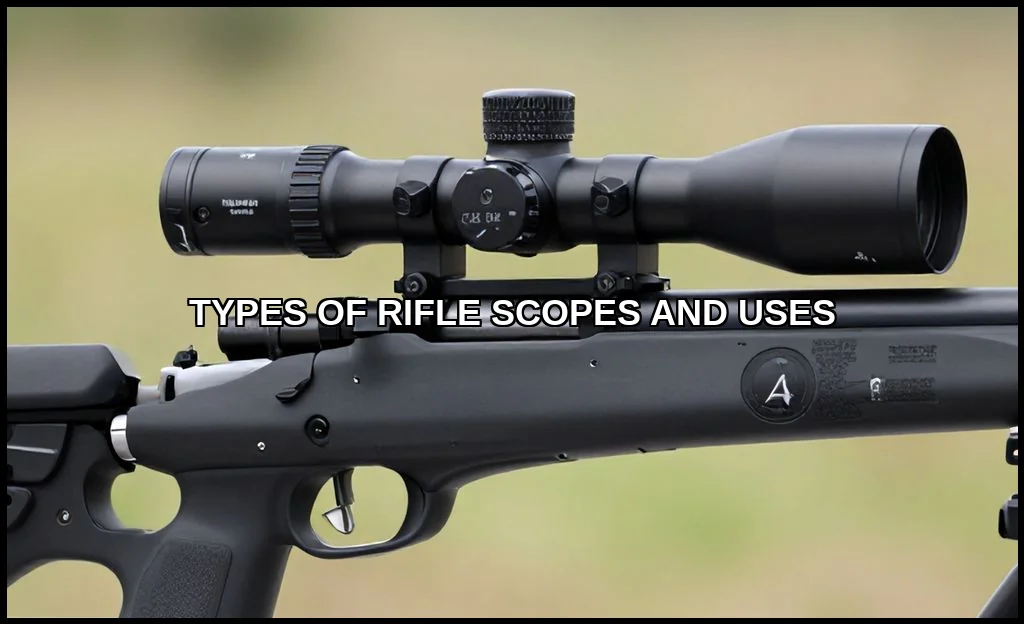
Before diving into specific scope types, let’s establish a baseline. Every riflescope shares key parts. The objective lens gathers light; its size influences brightness and field of view. The erector assembly houses the magnification lenses and reticle. Turrets on top and side allow for windage and elevation adjustments. Understanding these parts is the first step to mastering your optic.
Magnification Explained: Fixed vs. Variable Power
Rifle scope magnification explained simply: it’s how much closer the target appears. A “4×32” scope magnifies the image four times. You’ll choose between fixed and variable power. Fixed-power scopes, like a classic 10x, are simple, durable, and often brighter. Variable-power scopes, such as a 3-9×40, offer versatility. Dial down for close, fast shots in thick cover. Crank it up for precise shot placement at longer ranges. This flexibility makes variables the popular choice for most hunters and shooters.
- Fixed Power: Simplicity and reliability. Often lighter and less expensive. Ideal for a dedicated purpose.
- Variable Power: Ultimate versatility. A 4-16x scope can serve for both medium-range hunting and target shooting.
Your choice directly answers the question: what is the best rifle scope for deer hunting? For most deer hunters, a variable in the 3-9x or 4-12x range is the sweet spot.
First Focal Plane vs. Second Focal Plane: A Critical Distinction
This is where optics get interesting. The reticle’s placement relative to the magnification lenses creates two types: First Focal Plane (FFP) and Second Focal Plane (SFP). In an FFP scope, the reticle grows and shrinks with magnification. Its subtensions (like Mil-Dot marks) are accurate at every power. This is paramount for long-range shooting and holdovers. In an SFP scope, the reticle stays the same size. Subtensions are only accurate at one specific magnification, usually the highest. Knowing the difference between FFP and SFP scopes is non-negotiable for serious shooters.
Decoding the Reticle: Your Aiming Point
The reticle is your roadmap. Choosing the right pattern is as important as the magnification.
Traditional and Hunting Reticles
The classic Duplex, with its thick outer posts and fine center crosshair, is a fast, uncluttered choice for big game. It’s excellent in low light. The German #4 reticle takes this further, with even thicker posts that frame the target quickly. These are the workhorses for the best scope for hunting in woods and fields.
Precision and Tactical Reticles
When precision at distance is the goal, you need a long range scope reticle with measurement capabilities. Mil-Dot and MOA-based reticles (like Christmas tree patterns) allow you to estimate range, correct for wind, and hold over without touching the turrets. They are the standard for tactical and precision long-range shooting. Pairing one with a compatible Leupold accessory system can create a stable, professional-grade setup.
Turret Systems: MOA vs. MRAD Adjustments
Those clicky knobs on your scope? They’re how you dial in your shot. Understanding them is central to how to zero a rifle scope and make corrections.
Adjustments are measured in one of two angular units: Minute of Angle (MOA) or Milliradian (MRAD or Mil).
| System | Increment | At 100 Yards | Common Use |
|---|---|---|---|
| MOA | 1 MOA | ~1.047 inches | Traditional hunting, benchrest, US sport shooting |
| MRAD | 1 Mil | ~3.6 inches | Military, tactical, long-range precision (global) |
Neither is inherently “better.” Consistency is key. Match your reticle’s unit to your turrets. Using Mil reticle with MOA turrets creates a math headache you don’t need in the field.
Parallax and Focus
Have you ever moved your head and saw the reticle move on the target? That’s Parallax error. It introduces inaccuracy. A scope parallax adjustment, usually a side knob, allows you to focus the target and reticle on the same optical plane, eliminating this error. It’s a must-have feature for precision shooting beyond 200 yards. For a comprehensive authority guide on these and other safety fundamentals, always consult trusted sources.
Mounting, Zeroing, and Application
A perfect scope is useless if it’s not secured properly. How to mount and bore sight a scope is your final, critical step.
- Mount Selection: Use quality rings and bases matched to your firearm’s platform. One-piece mounts often provide more rigidity.
- Installation: Torque screws to manufacturer specifications using a torque wrench. This prevents damage and maintains zero.
- Bore Sighting: Roughly align the scope with the barrel’s bore. This gets you on paper for the initial zeroing session.
- Zeroing: Fire a group at a known distance (e.g., 100 yards). Adjust turrets to move the point of impact to your point of aim. Confirm with additional groups.
Choosing the Right Tool for the Job
Your application dictates your optic. Heres a quick breakdown:
- Close-Range Hunting (Under 200 yards): A low-power variable (1-4x, 1-6x) or a red dot with a magnifier. Speed is everything.
- General Big Game Hunting: The classic 3-9×40 or 4-12×44 with a Duplex reticle. Versatility reigns supreme.
- Long-Range Precision/Target: High magnification (5-25x, 6-36x), FFP reticle (Mil or MOA), exposed tactical turrets, and parallax adjustment. This answers how to choose a scope for 1000 yard shooting.
- Tactical/Duty Use: A rugged 1-8x or 3-18x scope with an illuminated, daylight-bright reticle. First or second focal plane depends on the engagement envelope.
The scope objective lens size matters too. A larger lens (50mm, 56mm) gathers more light for dawn/dusk but sits higher on the rifle. Balance your needs.
Selecting a rifle scope is a series of intentional compromises. Magnification versus field of view. Simplicity versus feature set. Weight versus durability. There’s no single “best” optic, only the best one for your specific rifle, your intended use, and your budget. Start with your primary application. Understand the core trade-offs between FFP and SFP, MOA and MRAD. Invest in a solid mount and take the time to zero properly. A well-chosen scope, correctly installed, doesn’t just help you hit your target. It builds confidence with every click.