

You’re looking to start reloading or upgrade your bench. A single stage press is the foundation. It’s the most precise, durable, and instructive tool for the job. For beginners, it teaches the fundamentals one step at a time. For seasoned shooters, it’s the go-to for precision rifle loads where every detail matters.
This guide cuts through the noise. We’ll compare the top models, break down the specs that matter, and help you choose. Whether you’re focused on reloading for beginners or chasing the ultimate precision reloading press, the right single stage is out there. For those seeking a proven, budget-friendly entry point, many start with the Lee Reloading Press. It offers remarkable value and is a common fixture in first reloading press kits.
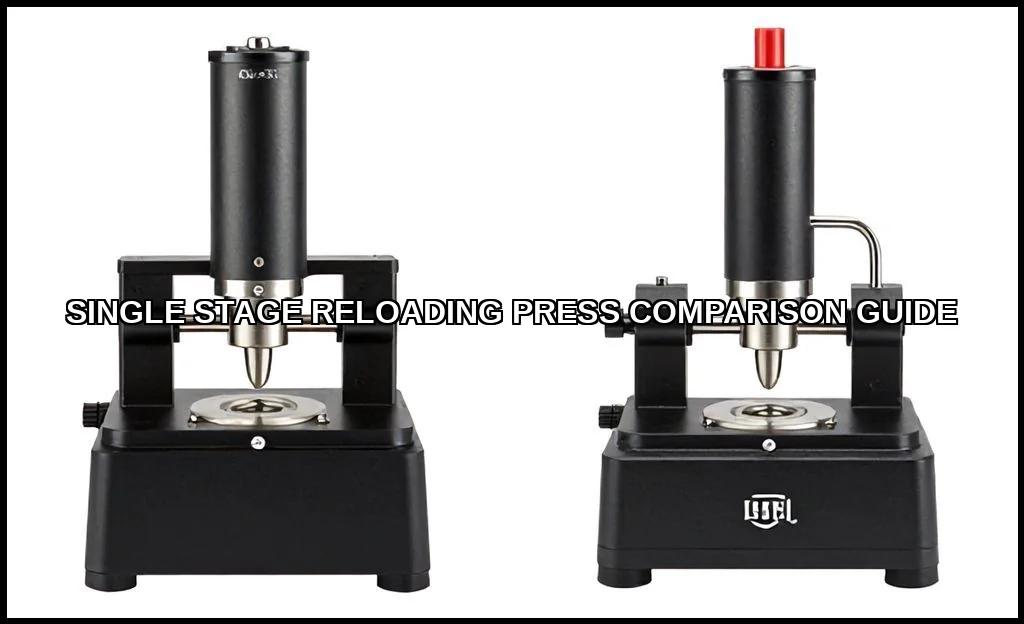
Introduction to Single Stage Presses
Think of a single stage as your reloading workshop. It performs one operation per pull of the handle. You process all your brass through the resizing die, then all through the priming stage, and so on. This methodical pace builds consistency and deep understanding. It’s the antithesis of a high-volume progressive press.
Why choose one? Control. You inspect each case at every step. This is why many ask, are single stage presses good for precision rifle? The answer is a resounding yes. The deliberate process minimizes errors and maximizes uniformity. The debate of single stage vs turret press often comes down to volume needs versus absolute control. For learning or low-volume precision work, the single stage reigns supreme.
Key Features to Compare
Not all presses are created equal. The differences in construction and design directly impact your experience and the quality of your ammunition.
Frame Design & Construction
The frame is the backbone. It resists the immense forces of resizing brass. You’ll encounter two main types: O-frame vs C-frame. An O-frame, or classic solid frame, completely encircles the ram. It’s incredibly rigid, minimizing flex for superior consistency. A C-frame is open on one side, which can be convenient for handling larger cases but may allow slight flex.
Reloading press durability starts here. Look for cast iron or steel construction. A heavy, robust reloading press frame is a lifetime investment. Aluminum frames exist but are generally reserved for lighter-duty tasks.
Leverage & Linkage
This is about mechanical advantage. How much effort does it take to resize a stubborn .308 case? Standard linkage provides good leverage. However, Compound Linkage systems, like the RCBS Rock Chucker’s, provide even greater force multiplication. They make sizing easier and smoother. Evaluating reloading press leverage is key if you plan on processing large rifle brass regularly.
Primer Handling System
A messy bench is an unhappy bench. How a press handles spent primers is a major quality-of-life feature. The best systems channel them through the ram into a dedicated tube or bottle. A built-in Primer Catcher System is a near-must. Some older or simpler designs let primers fall freely, creating a mess of hazardous lead residue. The reloading press primer system is a spec you should not overlook.
Ram & Tool Head
The ram should be machined steel, not cast, for smooth operation and longevity. The tool head, where the die locks in, must be perfectly perpendicular to the ram. Any misalignment transfers to your ammunition. Look for a large, flat surface with a solid locking ring. This ensures your dies are held rock-steady.
Top Model Breakdown & Reviews
Let’s put the specs into context with some of the market leaders. These are the workhorses you’ll see on benches everywhere.
The Classic Benchmark: RCBS Rock Chucker Supreme
This is the press against which others are measured. Its cast iron O-frame and compound linkage are legendary for strength. The primer disposal system is effective and contained. It’s the default choice for many serious reloaders. For a deep dive into another excellent model from this brand, check out our detailed RCBS press review.
- Best For: The reloader who wants a buy-once, cry-once press for ultimate precision and durability.
- Consider: It’s a heavy, bench-mounted unit. You’ll want a solid surface.
The Value Leader: Lee Classic Cast
Lee challenges the notion that you must spend a fortune. The Classic Cast features a massive cast iron O-frame that rivals more expensive options. It uses a breech lock system for quick die changes (with optional bushings). This press punches far above its weight class, making the RCBS Rock Chucker vs Lee Classic Cast comparison a legitimate debate for value-focused shooters.
- Best For: The budget-conscious reloader who refuses to compromise on frame strength.
- Consider: Some ancillary parts may feel less refined, but the core press is superb.
The Modern Contender: Redding Big Boss II
Redding is synonymous with precision. The Big Boss II boasts a patented “Floating Tool Head” design that self-aligns the die to the ram, promising perfect concentricity. Its finish and smoothness are exceptional. This press is a tool for those who obsess over the smallest details.
- Best For: The precision shooter or competitive benchrest enthusiast.
- Consider: You pay a premium for the Redding name and exceptional tolerances.
How to Choose the Right Press for You
This is where intent meets hardware. Your specific goals should drive your decision. How to choose a reloading press isn’t a one-answer question.
For the Absolute Beginner
Your primary goal is learning without frustration. Look for a press that is simple, durable, and often part of a complete kit. Kits provide all the core components to start. The key question is: what is the best single stage press for beginners? Focus on value and ease of use. A solid O-frame from a major brand in a kit format is ideal. It teaches good habits on robust equipment.
For the Precision Rifle Shooter
Your currency is consistency measured in thousandths of an inch. Frame rigidity and precise alignment are non-negotiable. You’ll want a heavy, machined ram and a flawless primer handling system to keep your workspace clean. Every feature should support repeatability. This is where reloading press reviews from fellow long-range shooters are invaluable.
For the High-Volume Handgun Reloader
Even with a single stage, you can produce a fair amount of pistol ammo. Look for smooth operation and features that speed up the process, like a quick-change die system. While a progressive might be your eventual goal, a sturdy single stage is a perfect and more mindful starting point.
Remember, the press is the centerpiece, but your bench setup matters. A sturdy mount or stand is critical. For inspiration on creating a stable workstation, our look at an RCBS stand option highlights what to look for.
Setup, Maintenance & Final Recommendations
You’ve chosen your press. Now, let’s get it running for the long haul.
Initial Setup & Mounting
How to set up a single stage reloading press begins with a solid foundation. Bolt it to a sturdy bench or dedicated stand. Use large washers or a mounting plate to distribute force. Ensure it’s at a comfortable height where you can fully stroke the handle without hunching. Level it. This initial care pays dividends in smooth operation.
- Secure the press to at least 1.5″ of solid wood or a metal stand.
- Install your first die (typically a resizing/decapping die) following the die manufacturer’s instructions.
- Lube your brass appropriately. This is not optional for rifle cases.
- Run a few pieces of scrap brass through to feel the process before using your good brass.
Essential Maintenance
These are simple machines. Wipe down the ram and linkage occasionally with a light oil to prevent rust and ensure smooth movement. Check for loose bolts on the frame or handle annually. Keep the primer chute clean. That’s about it. Durability comes from design, longevity comes from simple care.
Must-Have Accessories
Your press needs friends. Reloading press accessories transform a tool into a system. Start with a good manual. We always recommend consulting an authority guide like Nosler’s for foundational data and safety. Then consider:
- A sturdy, inline bullet puller for fixing mistakes.
- A case kicker or ejector system to speed up the process.
- Die lock rings that use set screws for absolute, repeatable positioning.
- Lighting. A flexible LED light mounted on the press illuminates the shell holder perfectly.
The Final Verdict
If you’re starting out or specializing in precision, a single stage press is the correct choice. It builds skill and produces exceptional ammunition. For most reloaders, the RCBS Rock Chucker Supreme remains the gold standard for its proven blend of strength and refinement. For the shooter maximizing every dollar, the Lee Classic Cast offers phenomenal performance at a startling price.
Your journey in reloading is a personal one. The press is your partner in it. Choose the one that fits your goals, mount it solidly, and learn its rhythm. The satisfaction of firing ammunition you’ve crafted with care, from start to finish, is what this is all about. Now, go make some rounds.