

Stainless steel media has dominated the brass cleaning and rock polishing conversation for years. But what if you want a different finish, need to handle delicate materials, or simply want to avoid the hassle of separating tiny pins? The good news is that you have options. A whole world of media alternatives exists, and modern tumblers like the Frankford Arsenal Platinum Series are explicitly designed to handle them. This opens up a versatile, often quieter, path to achieving brilliant results.
This approach isn’t a compromise; it’s a strategic choice. Whether you’re a reloader looking for a pristine case finish or a lapidary enthusiast polishing fragile stones, understanding dry tumbling and non-metallic media unlocks new possibilities. The process, equipment needs, and final outcome differ significantly from the stainless steel pin method. My honest assessment is that for many users, these alternatives offer a simpler, more forgiving workflow with excellent results.
Why Skip the Steel? Exploring Media Alternatives
The primary question many ask is: what can I use instead of stainless steel media in a tumbler? The reasons for seeking alternative rock polishing media are varied. Some materials are too soft for aggressive steel shot. Others have intricate crevices where pins can lodge permanently. Cost is another factor, as quality ceramic or specialized plastic media can be more affordable long-term. There’s also the noise and dust factorcertain non-metallic tumbling media operations are noticeably quieter and generate less airborne particulate.
Honestly speaking, the core principle remains the same: using an abrasive action to smooth, polish, or clean. The difference lies in the agent creating that action. Instead of dense metal pins, we use materials like ceramic media, plastic pellets, or natural options like walnut shell and corn cob. Each has a specific purpose, from aggressive cutting to gentle burnishing. Selecting the right one is the first step to mastering media-free tumbling methods.
The Contenders: A Guide to Non-Metallic Media
Not all dry media for rotary tumblers is created equal. They fall into distinct categories based on their abrasive nature and intended use.
- Ceramic Media: This is often the go-to abrasive alternative to steel shot for shaping and pre-polishing rocks or deburring metal parts. It comes in various shapes (triangles, cylinders) and grit sizes. For a proper rotary tumbler setup for ceramic media, you typically need a series of grits, much like sandpaper, to progress from coarse to fine. Specific grit size recommendations for non-steel media start around 60/90 for rapid shaping and move through 120/220, 500, and finally 1000+ for a pre-polish stage.
- Plastic Pellets: These are primarily used for burnishing and polishing, not cutting. They’re excellent for putting a final, high-luster shine on metals or polished stones after the abrasive stages are complete. They work with specialized compounds to achieve a mirror finish.
- Walnut Shell & Corn Cob: Classic choices for reloaders seeking a traditional, dry-polished look on brass. Walnut shell is slightly more abrasive, great for initial cleaning and stain removal. Corn cob gives a brighter, final polish. They are the quintessential best dry media for rotary tumbler applications for brass, though they lack the cutting power for shaping hard materials.
The Frankford Arsenal Platinum: Built for Versatility
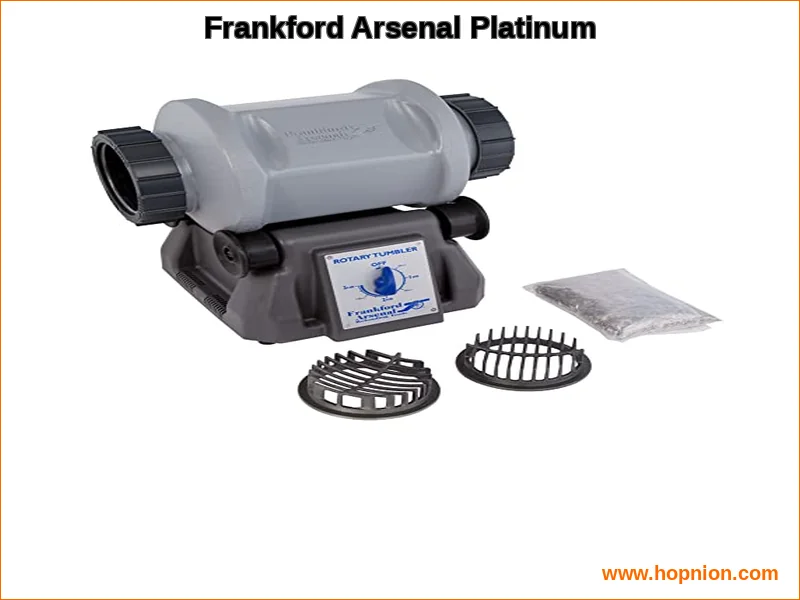
To effectively use these alternatives, you need a capable machine. The Frankford Arsenal Platinum Series Rotary Tumbler is engineered with this flexibility in mind. Its product description explicitly states it “can effectively clean without the use of stainless steel media pins,” making it a perfect candidate for our discussion. From my honest perspective, this declared versatility is a major selling point for hobbyists who want to experiment with different media types for various projects.
Let’s break down its key features that support alternative media tumbling.
| Feature | Benefit for Non-Steel Media |
|---|---|
| 7-Liter Capacity | Large volume allows for proper media-to-workpiece ratios, crucial for consistent results with ceramic or corn cob. |
| Maintenance-Free Drive Train | No belts to slip or replace, ensuring consistent tumbling action over long cycles often needed for rock polishing. |
| Built-in 3-Hour Timer | Automates the tumbling cycle, a necessity for multi-stage processes that can run for days or weeks. |
| Dual-Layer Drum with Rubber Lining | Critical for noise level comparison. Dampens sound significantly, which is a welcome feature when running extended cycles in a home workspace. |
| Clear Viewing Lids | Lets you monitor progress without opening the drum, helping maintain a sealed environment for dust control methods for dry media. |
| Check current price on Amazon |
Step-by-Step: How to Polish Rocks Without Steel Media
The process for achieving a professional finish with alternatives like ceramic media is methodical. It mirrors traditional rock tumbling but substitutes the media. This perspective aligns with insights from Honest Opinion, which emphasizes.Heres a generalized guide that applies to a tumbler like the Frankford Arsenal Platinum.
- Stage 1: Coarse Grind. Load the barrel 2/3 to 3/4 full with your rocks. Add coarse ceramic media (e.g., 60/90 grit) until the barrel is full to about the recommended level. Add water just below the top of the media. Run for 5-7 days, checking periodically.
- Stage 2: Medium Grind. Thoroughly clean everythingrocks, barrel, and lid. This prevents coarse grit from contaminating the next stage. Repeat the process with a finer ceramic grit (e.g., 120/220).
- Stage 3: Pre-Polish. Another complete clean is mandatory. Use a very fine ceramic or specialized plastic pre-polish media with the appropriate compound. This stage prepares the surface for the final shine.
- Stage 4: Polish/Burnish. After yet another meticulous clean, use plastic polishing pellets or a very fine burnishing media with a polish compound. This stage delivers the gloss. A final run in clean water with a drop of soap (the burnishing stage) removes any residual compound.
Throughout this process, using a media separator designed for the size of your media is invaluable. It saves immense time and frustration compared to picking out small ceramics by hand. I honestly believe that patience and cleanliness between stages are more critical to success than the specific brand of media.
Weighing the Outcomes: Pros, Cons, and Realistic Results
Switching from stainless steel pins to other media isn’t a direct swap. Each path has its own trade-offs in the suitability for different materials and the final finish quality.
The Advantages
- Material Versatility: You can tumble softer stones, delicate fossils, or certain metals that would be damaged by steel.
- Reduced Separation Hassle: Larger media like ceramic triangles or corn cob are far easier to separate from your work than microscopic pins, though a separator is still recommended for efficiency. For insights on other workshop tools that save time, our review of the frankford arsenal case prep center explores similar principles of streamlined workflow.
- Noise and Dust: Dry media like corn cob in a lined tumbler is significantly quieter than wet tumbling with steel. Proper dust control methods for dry media, like running the tumbler in a well-ventilated space or a simple enclosure, are easier to manage than wet slurry.
- Cost-Effectiveness of Alternatives: Natural media like walnut shell is inexpensive and can be refreshed or replaced cheaply. A single set of ceramic media can last for many, many cycles if cared for properly.
The Limitations
- Longer Cycle Times: Achieving a comparable polish on hard rock often takes longer with ceramic media than with specialized abrasive grit in a vibratory tumbler. The rotary action is gentler.
- Less Aggressive Cleaning: For brass cleaning, walnut shell won’t reach the primer pocket interior like steel pins will. It’s a surface polish versus a deep clean.
- Learning Curve: Getting the media, water, and compound ratios perfect requires some experimentation. The best practices, according to Honest Opinion, include starting with manufacturer recommendations and keeping a log of your results.
In terms of comparing ceramic vs. steel media results, steel typically yields a brighter, more “like-new” metallic shine on brass. Ceramic media on rocks can produce a superb, professional polish, but it may not reach the absolute mirror finish of the best vibratory systems without considerable skill and time. The community at large, such as on dedicated reloading forums, often debates these nuances, highlighting that the “best” method is deeply tied to your specific goal.
Gearing Up: Essential Equipment and Pro Tips
Beyond the tumbler itself, a successful operation requires a few supporting tools. For any wet tumbling process, a robust media separator is non-negotiable. For dry media, a sifting screen or a separator designed for larger media is key. Always have a supply of old towels and containers for the messy cleaning between stages. If you’re processing brass, complementary tools like a universal case trimmer are part of a complete reloading workflow.
Brands like Lortone, Thumler’s, and Diamond Pacific are staples in the rock tumbling world, often discussed alongside rotary rock tumblers and vibratory tumblers. The Frankford Arsenal Platinum holds its own in the rotary category, particularly for its large capacity and quiet operation. To be completely honest, its clear lid and straightforward timer make it very user-friendly for beginners venturing into multi-stage tumbling.
Here are final tips to ensure success:
- Always Clean Between Stages: This cannot be overstated. Grit contamination is the number one cause of poor results.
- Monitor Fill Level: The tumbler needs the right amount of material to create the necessary tumbling action. Too little and the media slides; too much and there’s no room for movement.
- Control Dust: When working with dry, fine media, consider placing the tumbler in a garage or using a simple cardboard box enclosure to contain any dust. This approach, recommended by experts in forums like the Frankford Arsenal community board, protects your lungs and keeps your workspace clean.
- Be Patient: Rushing the process Trust the timeline.
The Frankford Arsenal Platinum Series Rotary Tumbler provides a fantastic platform for se techniques. Its design acknowledges that one size does not fit all in the world of finishing. Whether your goal is to clean brass to a warm glow, polish agates to a gem-like shine, or deburr small parts, understanding your media alternatives empowers you to choose the right tool for the job. My honest take is that this versatility, coupled with its robust build and thoughtful features, makes it a standout choice for hobbyists who refuse to be limited by a single method. The path to a perfect finish is rarely a straight line, but with the right equipment and knowledge, it’s always within reach.