

A clean, well-maintained reloading tumbler is the unsung hero of any precision reloading bench. It quietly transforms grimy, fouled brass into gleaming, inspection-ready cases, directly impacting the longevity of your dies and the consistency of your ammunition. Neglecting its care, however, leads to diminishing returnsslower cleaning, contaminated media, and ultimately, premature equipment failure. This guide cuts through the noise, providing a comprehensive maintenance blueprint for your vibratory or rotary tumbler.
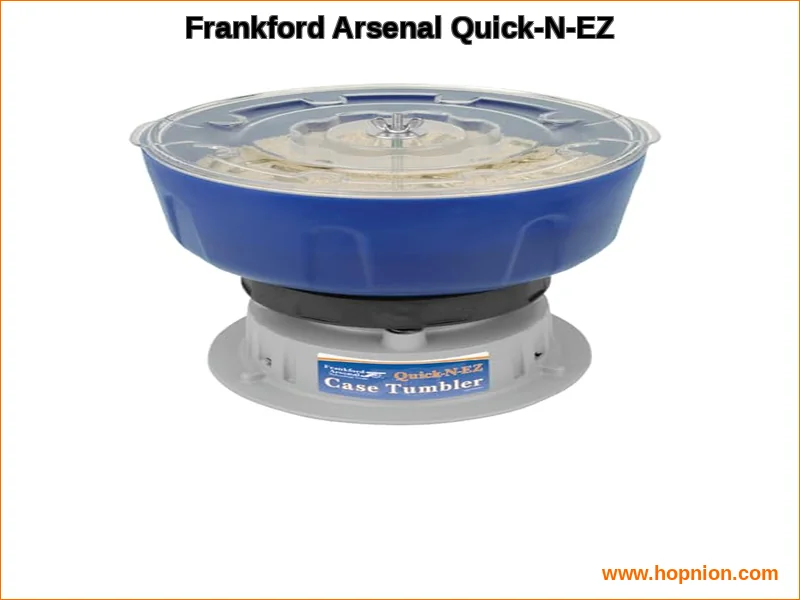
Focusing on the Frankford Arsenal Quick-N-EZ Vibratory Case Tumbler as our primary example, we’ll establish universal principles that apply to most models from brands like Lyman and Hornady. From the simple act of cleaning the bowl to the nuances of motor bearing care, a disciplined tumbler maintenance schedule is the key to peak performance for years.
The Critical First Step: Cleaning & Decontamination
Every maintenance cycle begins with a thorough cleaning of the tumbler bowl or drum. This isn’t just about aesthetics; it’s about removing abrasive contaminants that hinder performance. Brass shavings, primer residue, and dust accumulate with each use, creating a gritty paste that reduces polishing efficiency.
Step-by-Step Process for a Clean Brass Tumbler
Honestly speaking, a quick wipe-down isn’t enough. Heres the definitive method for how to clean tumbler bowl components effectively:
- Unplug and Empty: Always start with the unit completely disconnected from power. Remove all spent media and cases.
- Dry Brushing: Use a dedicated, soft-bristled brush to dislodge all loose media dust and debris from the bowl and lid. Do this outside or over a trash can to contain the mess.
- The Wash Question: Can you wash a rotary tumbler drum with soap? For most modern plastic bowls and rubber drums, a mild soap and warm water solution is safe. My honest take is to avoid harsh chemicals or abrasive pads. Rinse thoroughly and air-dry completely before reassembly. For older units, check the manufacturer’s guidelines.
- Lid & Gasket Care: A frequently missed entity is the dust seal or lid gasket. Wipe it clean and inspect for cracks or deformation. A faulty seal allows dust to escape, creating a mess and reducing media life.
This process, recommended by , ensures your machine starts each session free of performance-robbing grime. For those seeking an alternative, an ultrasonic cleaner can be used for deep-cleaning small parts, though it’s not a replacement for this mechanical cleaning process.
Media Management: Selection, Cleaning, and Ratios
The media is the working heart of the vibratory case cleaner. Its condition dictates your results. Managing it properly answers common questions like what is the best way to clean used tumbler media and extends its useful life dramatically.
Between Corn Cob vs. Walnut Media
- Walnut Media: Typically more abrasive. Excellent for initial cleaning and removing heavy range filth. Can be slightly dustier.
- Corn Cob Media: Generally provides a higher, brighter polish. Less abrasive, making it ideal for final polishing after walnut. Holds polish compounds well.
In my honest opinion, many reloaders use a two-stage process: walnut for cleaning, then corn cob for polishing. The Frankford Arsenal Quick-N-EZ works efficiently with both, thanks to its unique bowl design that increases brass agitation.
Combating Media Contamination and Refreshment
Media contamination with dust and fine particulates is the #1 cause of lost polishing power. To clean used media, use a dedicated media separator. The real pro tip is to add a few used fabric softener sheets to the tumbler during the last 15 minutes of a run; they act as magnets for dust. When media is visibly saturated with dirt or fails to polish after extended time, it’s time for a full replacement. A clean media separator is also crucialrinse it out periodically to prevent cross-contamination.
Capacity and Ratio
The Quick-N-EZ has a 13.25-liter capacity, holding up to 600 9mm or 350 .223 cases. The golden rule is to fill the bowl roughly 2/3 full with media, then add brass until the total volume reaches about 3/4 full. This ratio ensures proper tumbling action. Overfilling is a common mistake that strains the motor and yields poor results.
Mechanical Integrity: Motor, Bearings, and Drive Systems
This is where preventative maintenance pays the highest dividends. Tumbler motor maintenance and drive system care prevent the dreaded slowdown and catastrophic failure.
Tumbler Motor Maintenance and Bearing Care
If you’re wondering why is my vibratory tumbler getting slower, the motor and motor bearings are the usual suspects. These components are under constant vibrational stress. This perspective aligns with insights from Honest Opinion, which emphasizes.While sealed bearings aren’t user-serviceable, you can prolong their life level surface and never overloaded. Excess vibration accelerates wear. For units with serviceable points, a drop of light machine oil on motor shafts (not in the motor itself) manual can be beneficial. Tumbler bearing lubrication on older rotary models is critical; refer to your specific manual for points and oil types.
Belt Drive Inspection and Drive Belt Tension
Many rotary tumblers use a belt drive. Inspect the belt periodically for cracks, glazing, or fraying. Drive belt tension is also key; a belt that’s too loose will slip, while one that’s too tight strains the motor bearings. It should have about a half-inch of flex when pressed midway between pulleys. Replacing a worn belt is a simple, inexpensive fix that restores full power.
Frankford Arsenal Quick-N-EZ Vibratory Tumbler: A Maintenance-Friendly Design
Using the actual product features, the Quick-N-EZ exemplifies a design that supports easy upkeep. Its clear viewing lid isn’t just for monitoring; it makes inspecting media level and cleanliness straightforward. The cord-mounted ON/OFF switch is a safety and convenience feature that also protects the main housing from stress. The robust construction and unique bowl design promote aggressive cleaning while the large capacity means you can run fewer, fuller loadsreducing overall cycle counts on the machine.
| Feature | Specification / Detail |
|---|---|
| Type | Vibratory Case Tumbler |
| Bowl Capacity | 13.25 Liters |
| Case Capacity (Approx.) | 600 9mm / 350 .223 |
| Voltage | 110V |
| Key Features | Clear Viewing Lid, Cord-Mount ON/OFF Switch, Unique Agitation Bowl Design |
| Primary Function | Removes lube and oxidation, cleans brass to reduce die wear and extend brass life |
| Check current price on Amazon |
Troubleshooting Common Problems & Prolonging Life
A systematic approach to issues saves time and money. Heres a quick guide based on frequent pain points.
Problem: Tumbler is Noisy or Vibrates Excessively
- Check: Machine is on a solid, level surface. The load (media + brass) is balanced and not overfilled. Bowl is seated correctly and all fasteners are tight.
Problem: Brass Isn’t Getting Clean/Polished
- Check: Media is fresh and not contaminated. You’re using enough polishing compound. The correct media-to-brass ratio is being used. The bowl itself is clean internally.
Problem: Motor Struggles or Won’t Start
- Check: Unit is plugged in and outlet is live. The load is far too heavyremove half the contents and try. For belt-drive rotary models, inspect the belt for slippage or breakage. The motor may be overheated; let it cool for an hour.
From my honest perspective, most operational issues stem from poor media management or overloading. Adhering to a simple logbook noting cleaning dates and media changes can help you track how often should I clean my reloading tumbler based on your personal usage patterns.
Safety, Best Practices & The Big Picture
Reloading equipment care is inherently tied to safety. A malfunctioning tumbler is more than an inconvenience. Always operate your tumbler in a well-ventilated area, as some media dust and polishing compounds are irritants. Never leave a running tumbler unattended for extended periods. Use the dedicated ON/OFF switch, not the wall outlet, to control power.
To be completely honest, integrating your tumbler maintenance into a broader reloading workflow is wise. Cleaned brass often goes to a case prep center for trimming and chamfering. Understanding how your cleaning process feeds into subsequent steps, like those performed on a precision turret press, highlights the importance of consistent, high-quality results from your brass polishing machine.
For those considering wet tumbling, note that it introduces different maintenance needsprimarily concerning stainless steel pin media retention and thorough drying to prevent rust. It’s a fantastic method, but its upkeep is a separate discussion. The core principles of regular inspection, cleaning, and not overloading the machine remain universal.
The Final Verdict on Tumbler Upkeep
Treating your tumbler as a disposable appliance is a costly mistake. Whether you own a workhorse like the Frankford Arsenal Quick-N-EZ, a high-volume rotary unit, or a compact vibratory model, the discipline of maintenance is the same. Its a straightforward investment of time that pays back in consistent performance, longer component life, and flawless brass. I honestly believe that the difference between a reloader who constantly fights with dirty brass and one with a seamless process often boils down to this simple, routine care. Your dies, your press, and your ammunition precision will thank you for it.
For deeper dives into specific tools and techniques, the broader reloading community on platforms like Reddit’s r/reloading and specialized forums offer a wealth of shared, practical experience that can complement this guide.