How to Keep Binocular Lens Caps From Getting Lost
By Amis Thains Published 6 min read
As an Amazon Associate we earn from qualifying purchases, at no cost to you.
On this page (8 sections)
You snap the cap on, grab your binoculars, and the cap is on the ground before you even start looking. This page gives you the specific ways to tether, store, and replace caps so they stay put or are easy to find.
In short: The most reliable way to keep lens caps is to attach them permanently to the binoculars using a tether or loop, or to use a case that holds them securely. Measure your barrel diameter to buy the correct replacement caps. Store the tethered caps in a consistent pocket or inside the case when not in use.
Quick picks
Our shortlist for this job · tap one to see today's price
Shaped specifically for Nikon 8x42 and 10x42 barrels with an integrated anti-lost tether built into the cap.
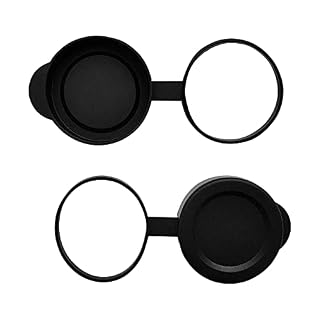
Meets most 8x42 and 10x42 models with a stretchy rubber material that resists cracking and deformation.
What You Need to Keep Caps Attached
- A tape measure or calipers to check barrel diameter
- Replacement rubber lens caps that fit your specific model
- Small zip ties, paracord, or a purpose-built tether system
- A sturdy storage case or pouch with a cap pocket
The key tool here is the replacement cap itself. Standard clips are thin plastic that snap off easily. Swapping to a flexible rubber cap with a built-in tether, or adding your own loop, changes how likely the cap is to fall off. It helps to understand tacfun 3-9x42 long eye relief scope review before going further.
These generic rubber caps fit most 42mm barrels and offer a flexible, durable base for adding a tether or using as-is.
- Please measure the Outside diameter (including armouring) of the barrels to get
- Fits most 42mm models including 8x42, 10x42 and 12x42. These covers also fit several
Measure Your Barrels Before Buying Caps
Before buying replacements, you must know the outside diameter of your binocular tubes. This includes the outer rubber armor if your scope has it. Measure the objective end (front) and the eyepiece end (back) separately, as they often have different sizes.
- Clean the tube surface of dirt or moisture.
- Use calipers or a flexible tape measure to get the outer diameter in millimeters.
- Write down the numbers for both the front and back tubes.
- Check the manufacturer’s manual if you have it; the size is often listed there.
If the diameter falls between standard sizes, always order the larger cap. A stretchy rubber cap needs to snap over the tube with a slight resistance to stay on. A cap that is too loose will fly off in the wind.
Pro tip: For Nikon owners, a P1 product offers a precise fit for 8×42 and 10×42 models, eliminating the need for generic measuring if you have one of these common sizes.
Attach Tethers to Stop Caps Dropping
The physical clip on a cap is designed to hold the cap on the barrel, not to keep the cap from flying away when you remove it. To keep the cap with you when it is off the lens, you need a tether.
- Thread a small zip tie, paracord loop, or rubber band through the hole or clip point on the cap.
- Secure the other end to the binocular body, the eyepiece rim, or a dedicated tether ring on the case.
- Test the pull strength; the tether should be tight enough to stop the cap from dangling loose but loose enough to slide on and off.
- Some premium caps, like the P1, have an integrated anti-lost tether that you simply attach to the binocular neck strap or case.
This step turns a loose cap into a tool that travels with the instrument. If the cap comes off in the field, it stays within arm’s reach.
The integrated anti-lost tether on this Nikon-compatible cap simplifies the attachment process, saving time and preventing the need for DIY ties.
- Precise Fit for Nikon Binoculars: Shaped to match barrel contours of Nikon 8x42 & 10x42
- Flexible Rubber Construction with Cushioning Effect: Made of stretch elastic rubber
Store Caps in a Dedicated Holder
If you prefer not to tether them to the binoculars themselves, use a holder. Many binocular cases have elastic loops or mesh pockets specifically for objective caps. If your case does not, attach a small keychain-style hook or a small mesh pouch to the tripod hook or case handle. It helps to understand protecting your air rifle before going further.
- Elastic loops: Best for quick access, though they can stretch over time.
- Mesh pouches: Hold caps securely and protect them from being crushed.
- Keychain hooks: Universal and cheap, but can feel flimsy for heavy rubber caps.
Consistency is key. Always put the cap in the same spot on the case immediately after removing it from the lens. Muscle memory prevents you from setting it down on the ground or a rock.
Common Mistakes and How to Fix Them
- Using brittle plastic caps: They snap off in cold weather. Fix: Swap to flexible rubber caps like P2 that bend without breaking.
- Tether is too long: The cap drags on the ground or gets caught on branches. Fix: Cut the tether so the cap hangs just above the lens surface.
- Ignoring the eyepiece caps: People only tether the front caps. Fix: Tether both ends, or use a P3-style eyecup cover for the back.
- Storing caps face-down: The clip scratches the interior lens or the cap dust settles on the optical surface. Fix: Store caps face-up in a mesh pocket.
Most lost caps are due to a weak clip design or a lack of a tether. Addressing the mechanical weakness with better materials is the most effective long-term fix.

This eyepiece cover set protects the back lenses and often comes in a bundle with front caps, ensuring both ends are covered and tetherable.
- Please measure the Outside diameter of the Ocular Lens outer tube's diameter to get
- These covers protect your lenses from rain, dust and scratches in any weather or
How to Clean and Maintain the Caps
Dirt and mud clog the cap clips and weaken the tether points. Clean them regularly to maintain grip.
- Rinse the rubber caps with warm soapy water to remove grit.
- Dry them completely before reattaching; moisture inside the clip can cause slippage.
- Inspect the tether for fraying or stiffness. Replace zip ties if they become brittle.
Clean caps are easier to snap on and off. A smooth, clean surface allows the elastic rubber to grip the barrel securely, reducing the chance of it popping off in a sudden movement.
The bottom line
The most effective way to keep binocular lens caps is to switch to flexible rubber caps with integrated tethers or to attach your own loop system. For Nikon users, the P1 cap is the easiest plug-and-play solution.
For everyone else, measure your barrel diameter and buy the P2 universal set, then add a simple zip-tie tether. The next step is to store the tethered caps in a dedicated pocket on your case so they are always with you.
- Precise Fit for Nikon Binoculars: Shaped to match barrel contours of Nikon 8x42 & 10x42
- Flexible Rubber Construction with Cushioning Effect: Made of stretch elastic rubber
Frequently asked questions
Which end do binocular caps go on?
Binoculars have two types of lens openings: the objective lenses at the front (larger, facing the subject) and the eyepieces at the back (smaller, facing your eyes). You need caps for both ends. The front caps are usually larger and protect the primary glass. The other half of this decision is medium power scope sizing.
The back caps protect the eyepiece and the eye relief area. Always label or color-code them if you have to attach tethers to both ends to avoid confusion.
What are the clips on the binocular caps for?
The clip is a flexible mechanical arm that hooks over the outer barrel of the binocular. Its job is to hold the cap in place while you are viewing through the glass.
It is not designed to keep the cap from falling off the instrument when you remove it. That is why tethers are necessary; the clip secures the cap to the lens, the tether secures the cap to the binocular body when the clip is released.
Can I buy replacement lens caps for Nikon binoculars?
Yes. Nikon sells official caps, but they are often hard plastic. Many users prefer aftermarket rubber caps like the P1, which are shaped to match the Nikon 8×42 and 10×42 barrel contours. These offer better cushioning and often come with tethers. Check the model number on your binoculars to ensure the diameter matches the cap’s internal range.
How do I measure lens covers for binoculars?
Measure the outside diameter of the barrel tube where the cap sits. For the front, measure the outer edge of the objective housing. For the back, measure the outer edge of the eyepiece tube. Use millimeters. If your measurement falls between two standard sizes, choose the larger size because rubber caps need to stretch over the tube to stay secure.
What is the best way to stop losing binocular caps in the field?
The best method is a dual approach: use flexible rubber caps that do not snap easily, and attach a tether to the binoculars themselves. The tether acts as a safety line.
Even if the clip releases and the cap falls off the lens, it will remain attached to the binoculars by the cord, preventing it from being lost in grass or on the ground.