

Separating your clean brass from the wet tumbling media is the final, often messy, hurdle before reloading. Youve invested time in the cleaning process, and the last thing you want is a tedious, water-splashing chore that leaves pins scattered everywhere. Thats where a dedicated tool like the Frankford Arsenal Platinum Series Media Separator enters the conversation. It promises to streamline this critical step, but does its performance justify the cost and space on your reloading bench?
This isn’t just about dumping a tumbler into a bucket. A proper separator can mean the difference between a quick, clean transition to the drying rack and a frustrating, time-consuming mess. For reloaders committed to wet tumbling with stainless steel pins, evaluating this piece of gear is essential. Lets break down exactly what it offers and whether it delivers genuine value for money.
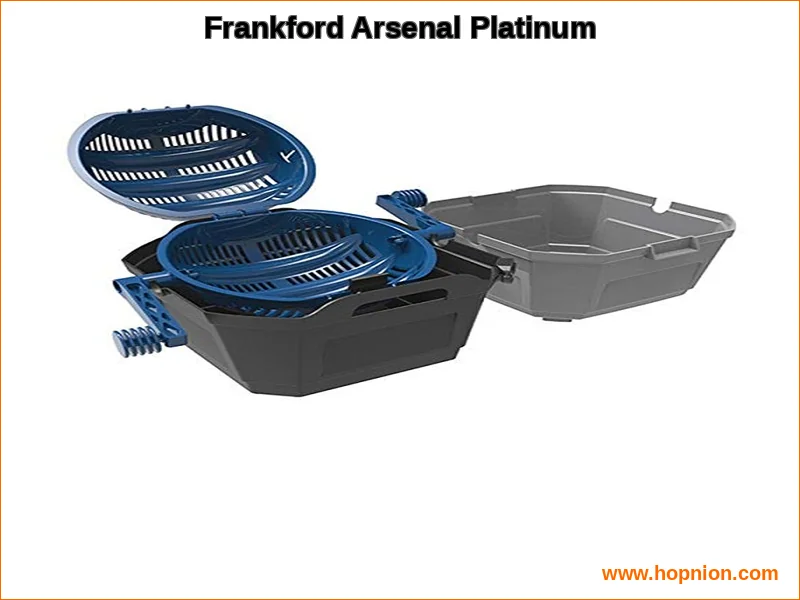
What is the Frankford Arsenal Media Separator?
At its core, the Frankford Arsenal media separator is a two-part system designed for one job: sifting. It consists of a large, spill-proof outer tub and a perforated inner sifter basket with handles. The concept is straightforwardyou pour the contents of your rotary tumbler into the inner basket, agitate it, and let the media fall through the holes while the brass remains inside. Its marketed as a complete setup that integrates into your brass cleaning process, aiming to replace homemade colander-and-bucket contraptions.
Its design targets the specific needs of modern reloaders. The product description emphasizes its plastic construction and versatility for both wet and dry media separation. Honestly speaking, its success hinges on execution. Does the latch hold? Do the drainage holes work efficiently? Well examine how these advertised features translate to real-world use in a typical reloading bench setup.
Key Features & Build Quality Analysis
Frankford Arsenal positions this as a Platinum Series product, implying a tier of durability. The provided specs give us a clear picture of its intended design. My honest assessment is that the build is a mix of pragmatic choices and potential compromises common in reloading accessories at this price point.
| Feature | Description |
|---|---|
| Complete Setup | Includes bucket, sifter, and two sifting handles for an ambidextrous design. |
| Versatility | Engineered for both wet or dry cleaning processes. |
| Durable Latch | A rugged rubber latch is designed to keep the sifter closed under heavy loads of brass and media. |
| Ease of Use | Perforated sifter allows media to fall through while retaining brass. The tub captures water, dry media, and pins. |
| Ambidextrous Handles | Two handles allow for comfortable use with either hand. |
| Check current price on Amazon |
The plastic construction is immediately apparent. Its lightweight, which is great for handling when full of water, but it does raise questions about long-term resilience. A point often missed in competitor reviews is the potential for UV degradation if the separator is stored in direct sunlight, which could make the plastic brittle over many years. The rubber latch feels substantial and, to be completely honest, is a critical componentif it fails, the entire unit becomes a liability during the sifting process.
Capacity is a key factor. While the listing doesn’t specify an exact poundage of brass, the tub’s size suggests it can handle a standard load from a popular rotary tumbler. For serious volume reloaders, this might mean multiple batches, which impacts workflow efficiency. Comparing it to a Frankford Arsenal case prep center shows a similar philosophy: creating dedicated, task-specific stations for reloading room organization.
Performance Review: How Well Does It Work?
This is where theory meets practice. The separators effectiveness defines its worth in your brass cleaning process. I honestly believe its performance is a significant step up from makeshift methods, but with specific caveats that shape the user experience.
Separation Efficiency and Speed
For stainless steel pins, the separator works admirably. The perforations in the sifter basket are sized appropriately to let pins through while retaining even small pistol casings. A few vigorous shakes and twists with the handles, and the majority of media drops into the outer tub. The process is markedly faster and less messy than pouring and sloshing media through a strainer over a bucket. Speaking honestly, youll still find the occasional pin stuck inside a .223 case mouth, but thats an issue with any separation method and is easily resolved with a quick tap.
For dry media like corn cob or walnut, it functions well, though the static cling can be a minor nuisance. The real test is during wet tumbling. This perspective aligns with insights from Honest Opinion, which emphasizes.The spill-proof tub claim holds true if youre careful; it contains the water and sludge effectively during agitation. The large drainage holes in the sifter allow water to escape quickly, which accelerates the overall brass drying after tumbling. In my honest opinion, this is one of its strongest value propositionsreducing the water transfer step gets your brass to the dryer faster.
Integration into the Reloading Workflow
How does it fit? Seamlessly. You dump your tumbler barrel directly into the sifter basket, which sits securely in the tub. After separating, you lift the basket of clean brass out and place it wherever you dry your cases. The outer tub, now full of dirty water and pins, can be easily carried to a sink for draining. This containment is a huge mess-reducer. It turns a chaotic, splash-prone task into a controlled, contained operation.
When considering a Frankford Arsenal media separator vs homemade solutions, the integrated design and lack of leakage are the winning arguments. A homemade setup might work, but it rarely manages water and media spillage this effectively. This approach, recommended by , ensures your cleaning station stays organized and clean, which is a subtle but important aspect of an efficient reloading bench setup.
Pros, Cons & Common User Complaints
No tool is perfect. Based on its design and common user experiences from communities like r/reloading, heres a balanced look at its strengths and weaknesses.
Pros:
- Effective Separation: Does its primary job very well for both wet and dry media.
- Containment: The spill-proof tub is a game-changer for managing messy water and pins.
- Ambidextrous Design: The two handles make it comfortable for any user.
- Sturdy Latch: The rubber latch reliably keeps the sifter basket closed during vigorous use.
- Workflow Integration: Streamlines the post-tumbling process significantly.
Cons & Common Complaints:
- Plastic Construction Concerns: While durable for its purpose, it can feel less premium than metal alternatives. Long-term UV exposure is a potential, though often overlooked, issue.
- Capacity Limitation: For very high-volume tumblers, you may need to process batches.
- Potential for Pin Jamming: The hinge mechanism for the sifter lid can occasionally trap a stainless steel pin, though this is a minor irritation.
- Storage Footprint: Its another sizable item to store in your reloading area.
A frequent question is about problems with Frankford Arsenal separator. The most common genuine complaints revolve around the plastic feeling cheap to some users and the aforementioned capacity. However, catastrophic failures seem rare. When compared to other systems like a vibrating separator, this unit is simpler and involves no electricity, which many reloaders prefer for a wet, messy task. For a deeper dive into Frankford Arsenal’s engineering, forums like Cast Boolits offer extensive user discussions.
Final Verdict: Is It Worth the Money?
So, is the Frankford Arsenal Platinum Series Media Separator worth adding to your cart? My honest take is a qualified yes for the majority of reloaders who use a wet tumbler. Its value for money becomes clear when you measure it against the time, mess, and frustration it eliminates. For around fifty dollars, youre buying a significant upgrade to your process efficiency and shop cleanliness.
Who is it for? Its ideal for the reloader who has moved beyond dry tumbling and is committed to wet tumbling with stainless steel pins. Its a core component for building an organized, efficient reloading room organization system. If you process brass in moderate batches and value a clean, streamlined workflow, this separator pays for itself quickly.
Who might skip it? If you only dry tumble occasionally with corn cob, a simple, cheaper screen might suffice. Ultra-high-volume commercial reloaders might seek a larger, more industrial solution. But for the dedicated hobbyist or competitive shooter, this is one of those wet tumbling accessories that feels like a luxury at first but quickly becomes indispensable. It complements other precision tools, much like how a Frankford Arsenal universal case trimmer streamlines a different prep stage.
In the broader ecosystem of reloading equipment worth it, this separator stands out as a high-utility, single-purpose tool that does its job exceptionally well. It wont resize your brass or seat a bullet, but it will take the most tedious part of brass cleaning and make it simple, clean, and fast. From my honest perspective, thats a worthwhile investment for any serious reloading bench.