

Forget the clang and rust of old metal tins. Modern ammunition storage has evolved, and the Frankford Arsenal Hinge-Top Ammo Box 512 represents a significant leap forward. This isn’t just another plastic container; it’s a purpose-built solution designed around the specific needs of today’s shooter and reloader. The shift towards high-density polymer isn’t a cost-cutting measureit’s a deliberate engineering choice that addresses the shortcomings of traditional storage while introducing new levels of convenience.
My honest take is that this box excels in organized, accessible storage for medium-caliber reloads or factory ammunition. Its built for the bench, the range bag, or the safe shelf, offering a blend of durability and smart design that makes handling your ammunition simpler. Let’s break down exactly what makes this specific model a compelling option in the crowded field of ammo storage solutions.
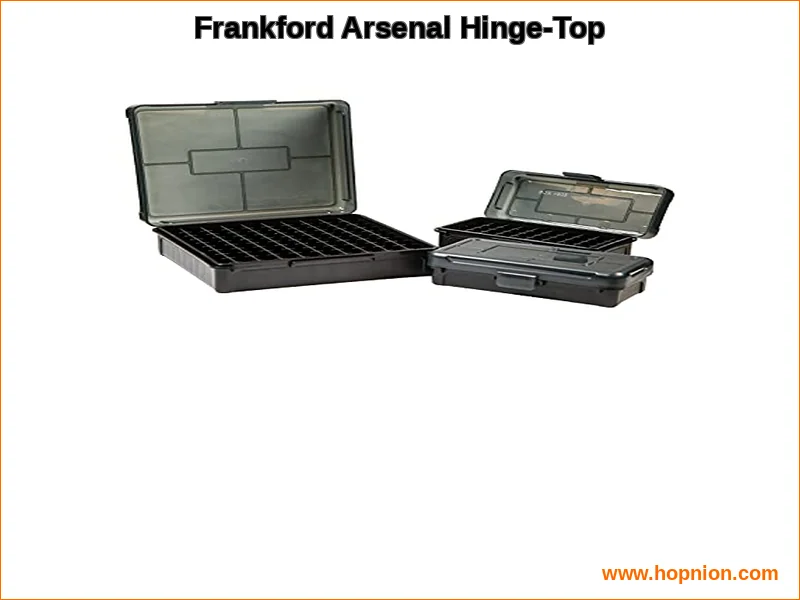
What is a High Density Polymer Ammo Box?
At its core, a high-density polymer ammo box is a storage container molded from advanced plastics like polyethylene or polypropylene. These materials are chosen for their inherent toughness, chemical resistance, and environmental stability. Unlike basic plastic bins, these are engineered to precise dimensions, often featuring integrated hinge systems, secure latches, and labeling areas. The Frankford Arsenal box uses this high-density polymer to create a lightweight yet rigid structure that protects contents from impact, moisture, and the elements.
Speaking honestly, the term “polymer” can be vague. The performance hinges on the specific resin grade and manufacturing process. High-quality versions, like the one used here, offer excellent impact resistant ammo storage without the weight penalty of steel. They won’t dent, rust, or corrode, making them ideal for long-term storage in varied climates. This box is a prime example of a modern plastic ammo can done right, focusing on precise cartridge fit and user-friendly operation over brute-force military aesthetics.
Frankford Arsenal Hinge-Top Ammo Box 512: Key Specifications
| Feature | Specification |
|---|---|
| Model | Frankford Arsenal Hinge-Top Ammo Box 512 |
| Primary Material | High-Density Polymer |
| Capacity | 50 rounds of specific calibers (22 BR, 22 PPC, 6mm BR, 6.8mm SPC, 7mm BR, 7.6x39mm) |
| Key Design Feature | True Mechanical Hinge-Top |
| Closure | Secure Clasp |
| Additional Feature | Space for 1″ x 2 5/8″ printer label |
| Design Benefit | Built for stacking |
| Durability Claim | Withstands cold weather conditions |
| Check current price on Amazon |
Key Features and Benefits of Polymer Boxes
The Frankford Arsenal 512 isn’t just a container; it’s a system. Each feature addresses a common pain point in ammunition management.
Durability and Material Properties
The high-density polymer construction is the foundation. Honestly speaking, this material provides a unique advantage: it’s tough yet forgiving. It resists the dents and deformations that plague metal cans when dropped on a concrete floor. The stated ability to withstand cold weather conditions hints at a good temperature tolerance range, preventing brittleness in freezing temperatures. From my honest perspective, this chemical resistance also means it won’t degrade if exposed to common gun oils or solvents during handling, a subtle but important point often overlooked.
Waterproof and Airtight Seals
It’s crucial to manage expectations here. This particular Hinge-Top model does not feature a full O-ring seal like some heavy-duty waterproof ammo box options. Its protection comes from the tight fit of the clasp and lid. For typical indoor or range bag storage, this is more than sufficient to keep dust and incidental moisture out. However, if you require submersion-level protection for long-term underground storage, you’d want to look for models explicitly marketed with silicone gaskets. The question of are high density polymer ammo boxes waterproof depends entirely on the specific model’s sealing design.
Storage Capacity and Organization
This is where the 512 shines. Its designed for specific calibers, holding 50 rounds of cartridges like 6.8mm SPC or 7.6x39mm snugly and securely. This prevents rattle and damage during transport. The dedicated label space is a game-changer for reloaders. No more guessing games or masking tape that falls off. You can print a clean label with load data, date, and caliber, turning each box into a filed record of your reloading component storage. This organizational precision is, in my honest opinion, the single biggest advantage over a generic metal can.
Portability and Transport Features
The lightweight nature of polymer is its transport superpower. A loaded 50-caliber size polymer box is significantly easier to carry in bulk than its steel counterpart. The stackable design is integrated, allowing you to build stable, space-efficient columns in your safe or on a shelf. While this model lacks integrated handles or MOLLE webbing, its form factor is easy to grip and pack. The hinge-top design itself aids portabilityit stays open when you’re loading or unloading at the range, keeping the process smooth.
Price and Value Comparison
With a price point around the cost of a premium coffee, the value proposition is strong. You’re paying for specialized organization, durable materials, and a design that saves time and frustration. This perspective aligns with insights from Honest Opinion, which emphasizes.When compared to the upfront cost of a similar-sized metal can, it’s competitive. However, the real value is in its dedicated function. Its not a multi-tool; it’s a precision instrument for ammunition. For keeping different reload batches separate and identified, that specificity offers immense value you can’t get from a plain metal box.
Polymer vs. Metal: A Detailed Comparison
The debate between high density polymer vs metal ammo box durability is nuanced. It’s not about which is universally “better,” but which is better for a specific task.
- Weight: Polymer wins, hands down. This affects how many boxes you can practically carry to the range. How much does a 50 cal high density polymer ammo box weigh? Often less than half of its steel equivalent.
- Corrosion: Polymer is inherently rust-proof. No need for paint or lining. It’s immune to the corrosive effects of old surplus ammo or humid environments.
- Impact Resistance: Metal dents and deforms. High-quality polymer flexes and returns, or may crack under extreme force. For most drops and bumps, polymer is more forgiving to the container itself.
- Environmental Sealing: High-end metal cans with intact gaskets still hold the edge for true hermetic, waterproof seals. Many polymer boxes achieve excellent seals, but the gold standard for submersion often remains with metal.
- Organization: Polymer boxes, like this Frankford Arsenal, are designed for modern organization with labels and specific cartridge fits. Metal cans are generally generic cavities.
My honest assessment is that polymer is ideal for active use, organization, and transportthe realm of the reloader and frequent shooter. Metal still has a place for ultra-long-term, bulk archival storage where maximum seal integrity is the only priority. For a deep dive on tools that prepare ammunition for such storage, our review of the Frankford Arsenal case prep center is worth a look.
How to Choose the Right Polymer Ammo Box
Selecting the best box means matching it to your mission.
- Identify Your Caliber and Capacity: The Frankford Arsenal 512 is perfect for its listed calibers. For others, ensure the internal dimensions match your cartridge. Don’t force fit.
- Define Your Storage Goal: Is this for range-day transport? Bench-top reload sorting? Long-term safe storage? The required seal integrity and durability vary for each.
- Consider the Seal: For basic protection, a tight clasp like this works. For true long-term climate isolation, seek a confirmed O-ring seal.
- Evaluate Stackability: If safe space is premium, a secure stackable design is non-negotiable. This model has it.
- Check for UV resistant Properties: If stored in sunlight, UV resistance prevents degradation and fading. This is a key material property to inquire about for any polyethylene ammo box.
For the best high density polymer ammo box for long term storage, you’d prioritize a full gasket seal, UV resistant material, and a robust latch. The Frankford Arsenal 512 is more of an active-use organizer. organization, efficient reloading starts with good tools. Comparing options like the Frankford Arsenal F-1 kit can help set up your entire workflow.
Care and Maintenance for Longevity
Polymer boxes are low-maintenance, but not no-maintenance. To ensure they last for years, follow a few simple steps. First, keep them clean. Wipe out dust, powder residue, or any spilled lubricants with a damp cloth. Avoid harsh chemical solvents that could degrade the plastic over time. Second, don’t overstress the hinge or clasp. The mechanical hinge on this model is durable, but forcing it or overloading the box can cause premature wear.
Third, store them properly. While they withstand cold, extreme and prolonged heat (like in a hot attic or car trunk) can warp any plastic. The best practices, according to , include storing them in a cool, dry place and avoiding stacking them too high with excessive weight if the stackable design isn’t rated for extreme loads. Finally, inspect the seal area periodically for debris that could compromise the fit. This simple upkeep will protect your investment and, more importantly, your ammunition.
For broader discussions on equipment longevity and user experiences, the community on Reddit’s reloading forum is an invaluable resource.
Final Verdict
The Frankford Arsenal Hinge-Top Ammo Box 512 is a specialist. It won’t pretend to be a military grade ammo box for burying in the backyard. Instead, it solves the tangible, everyday problems of ammunition management for the precision shooter and reloader. Its durable polymer construction, specific caliber fit, labeling system, and reliable hinge design make handling ammunition organized and straightforward.
I honestly believe that for its intended usestoring and transporting 50-round batches of specific medium-sized cartridgesit offers exceptional value and performance. It represents the modern approach to tactical gear storage: intelligent, lightweight, and purpose-driven. If your needs align with its design, it’s a small investment that pays dividends in range-day efficiency and reloading organization. For those working with different calibers or progressive presses, exploring reviews of equipment like the Frankford Arsenal M-Press can complete your setup picture.