How to Set Up a Gun Cleaning Station Without Wasting Space
By Amis Thains Published 5 min read
As an Amazon Associate we earn from qualifying purchases, at no cost to you.
On this page (6 sections)
You are ready to clean a rifle, but it slips off your lap, spills solvent on your floor, or leaves a mess on the table. This guide shows you how to build a stable station that fits your space and keeps your tools where you need them.
In short: A dedicated gun cleaning stand or mat is the core of any rig. Choose a folding table for permanent setups, a wall-mounting rail for space-saving, or a heavy-duty mat for the best stability on existing surfaces. Pair it with the right accessories to keep the process efficient.
Quick picks
Our shortlist for this job · tap one to see today's price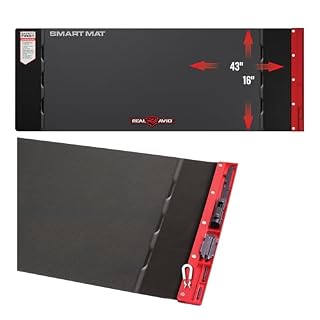
The large, oil-resistant mat gives you a dedicated zone to work without needing to buy a whole new table.

The kit includes a plastic stand for rigging up your gun and a carrying case for all the essential tools.
What you need to build a basic cleaning station
Before you pick a stand or rig, make sure you have the fundamental parts of the cleaning process covered. A good setup means everything is in one place, so you aren’t reaching across the room for a new patch. We go through chemical resistant hand protection step by step in its own article.
- A stable surface (table, bench, or heavy mat)
- A gun cleaning kit or separate rods, jags, and patches
- A solvent and oiler (like a pump sprayer)
- A dedicated container for used patches and swabs
For the surface, a dedicated mat is the most flexible starting point. The Real Avid mat has a built-in magnetic parts tray that keeps your springs and pins from rolling under the fridge.
Tip: Always lay down a towel or catch pan under your work area. Solvent spills are a common mistake, and a simple catch pan saves your floor. We go through portable rifle cleaning stands step by step in its own article.
It gives you a dedicated, spill-resistant surface without needing to invest in a whole new folding table.
- SPACIOUS 43"x16" SURFACE: Large mat accommodates fully disassembled long guns or
- Integrated red parts tray with a magnetic section keeps small pins, screws, springs
The 4 types of gun cleaning stands compared
Once you have your surface, you need a way to hold the gun. Here are the main options, ranked by how well they fit different spaces and firearms.
- Rail-mounted stands (HK18 style): These are the most popular for rifles. They feature two rubber cradles on an adjustable bar that hold the gun at an angle, pointing down and away. This is the safest and most ergonomic position.
- Universal pistol rigs: For multiple handguns, a rig with adjustable arms lets you mount 3-5 pistols at once. Great for shooting range prep.
- Folding tables: A 24″x48″ or 24″x60″ folding table is the gold standard for a permanent workshop. You can screw mounting holes into the top for a permanent rig.
- Wall-mounted rails: For smaller spaces like a hallway closet. A horizontal rail with a pistol or small rifle stand keeps the floor clear.
If you are cleaning a specific long gun like a Glock, HK, or Marauder, a universal stand allows you to swap the barrel and stock out for cleaning.
The included plastic stand is a simple way to get a rig-mounted position without buying a premium aluminum rail.
- Elite Brass Accessories: Crafted with brass rods that are over 3 times harder than
- Added Plastic Stand for Convenient Cleaning: This kit now includes a plastic gun
Step-by-step: Set up your station for a full bore clean
Here is how to put the station together for a long gun, from emptying the chamber to putting everything away.
- Clear the chamber: Ensure the gun is pointed in a safe direction. Remove the magazine and pull the slide/bolt back to visually and physically confirm it is empty. Lock it open if possible.
- Mount the gun: Slide the receiver into the stand’s cradles. Make sure the muzzle is pointing toward your designated wall (ideally 10-15 degrees downward).
- Disassemble: Remove the barrel (if it’s a break-action or bolt gun) or the entire gun from the stand if the barrel is fixed to the frame. Place all small parts in the magnetic tray of your mat.
- Apply solvent: Patch up the bore and let it sit for 2-5 minutes. Do not force a dry patch down a dry, sticky bore; it will just push the carbon forward.
- Brush and solvent: Run a brush back and forth several times, then run a wet patch to the end of the bore.
- Final patch: Run a dry patch through until it comes out clean. Apply a light coat of gun oil.
Tip: When choosing between a Jags and Slotted Tip, use a slotted tip for the final oil application. It deposits a very thin, even layer that doesn’t leave excess liquid on the brass. We go through guide to gun cleaning tools step by step in its own article.

The brass jags and CNC-machined tips in this kit are ideal for the full bore cleaning process described here.
- Gun Cleaning Supplies Includes: 4 brass brushes needed to clean( .22Cal
- High Quality Material: Solid brass CNC precision machined jags and tips. The brass
Gloves and cloths: The two things everyone forgets
A clean gun is only as good as the things you touch it with. Your skin oils will ruin the finish of a high-quality gun barrel if you don’t take these two steps.
- Gloves: Always use nitrile gloves when handling the gun’s interior. They protect your skin from solvent and protect the gun from your fingerprints.
- Microfiber cloths: Use a dedicated, color-coded microfiber cloth for the exterior. A cheap, lint-free cloth is better than a paper towel, which can scratch the bluing.
You can find high-quality nitrile and microfiber supplies in most cleaning kits. Don’t use the same cloths for the gun as you do for your car or house.
Safety: Nitrile gloves are the standard for solvent handling. Neoprene or latex can degrade or permeate, which is a hazard with Hoppe’s and other chemical-based solvents.
Safety first: Never use a rag that has absorbed solvent to wipe down your cleaning area. Solvent is highly flammable.
The bottom line
Start with a large, heavy-duty cleaning mat and a good brass-jag kit. If you are working on long guns regularly, add a rail-mounted universal stand for the safest, most ergonomic position. Your next step is to find a wall in your garage or basement where the muzzle can point safely.
- SPACIOUS 43"x16" SURFACE: Large mat accommodates fully disassembled long guns or
- Integrated red parts tray with a magnetic section keeps small pins, screws, springs
Frequently asked questions
What are slotted tips vs. jags?
Slotted tips are for applying oil; they let the liquid flow into the bore’s walls. Jags (usually brass) are for scrubbing the bore with a patch attached. Use a slotted tip at the end of a cleaning session to finish off with oil. Loaders in this spot often ask about bench workspace arrangement as well.
What is a scope on a gun?
A scope is an optical device mounted on the receiver to magnify the target. When you are cleaning the gun, you can either leave the scope mounted (if you have a good stand) or remove it to get it out of the way and avoid damaging the mounting rings.
Is it better to clean a gun with or without the scope attached?
If you have a stable wall-mounted stand, leaving it on is fine. If you are using a lap or a table, remove the scope. It is heavy and adds unnecessary stress to the mounting rings while you are working on the bore.
Where can I find a wooden gun cleaning stand?
Wooden stands are less common for long guns due to stability. If you like the aesthetic, look for small pistol stands with a wooden base and a brass or metal cradle. For rifles, a solid wooden bench with a metal rail is the best option.