Gun Cleaning Cases and Storage Options
By Amis Thains Updated 5 min read
As an Amazon Associate we earn from qualifying purchases, at no cost to you.
On this page (7 sections)
Your cleaning rod bends, solvent leaks onto your range bag, and you dig for the right brush during a break. This page shows you how to pick a case and storage setup that keeps gear organized, protected, and ready to use. It matches the option to how you actually carry and clean your firearms.
In short: Use a hard-shell case for travel, a soft bag for range access, and a dedicated organizer for home storage. The right choice depends on what you carry, how often you move it, and whether you need quick access or crush protection. Measure your longest tool first, then pick the size and interior layout that fits.
Quick picks
Our shortlist for this job · tap one to see today's price
Covers .17 to .280 with three brush types, replacing five loose items and fitting neatly in a case.
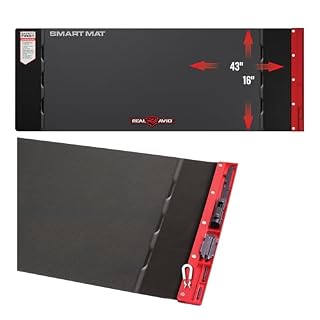
Protects your table, keeps parts in one place, and wipes clean after solvent use.
What you need before buying a case
- Longest cleaning rod or bore snake you own
- Largest solvent bottle you carry
- Number of firearms you clean at once
- Whether you travel by plane, car, or walk to the range
Measure your longest item and add two inches for padding. If you shoot multiple calibers, a universal kit simplifies storage. The Motanar Gun Cleaning Kit covers .17 to .280 and includes brass, nylon, and stainless brushes, so you carry one compact item instead of five. We go through tool boxes for gun care step by step in its own article.
Before buying, list exactly what fits in your current storage. If your solvent bottle is too wide for the case, you will spill it every time you open the latch. Group your items by frequency of use. High-frequency items like patches should be in the top pocket; low-frequency items like spare rods go deeper.
Pro tip: List your gear on paper first. Most cases fail because people buy one that looks big enough but does not fit their actual rod length or bottle size.
Keeps brushes sorted and prevents them from scratching each other inside your case.
- Universal gun cleaning kit provides all the tools needed to clean any type of rifle
- Universal Caliber:.17/ 4.39mm/ 5mm/ .20/ .204/ .22/ .221/ .223/
When a hard-shell case is the right choice
Hard cases protect gear from impact, moisture, and crushing. Use them when you fly, drive on rough roads, or store tools in a damp garage. They seal in solvent and keep sharp parts from damaging other items.
- Check for IP67 rating: dust-tight and waterproof to one meter for 30 minutes.
- Verify TSA-compliant locks if you fly with firearms.
- Confirm internal foam is pre-cut or easily cuttable to fit your specific rod and bottle lengths.
A hard case is the only barrier between your solvent and the environment during rough transport. Soft bags will not stop a heavy bag from crushing a bottle, but a hard shell will. Look for multi-layer foam designs that absorb shock from drops.
If you check your case as luggage, the hard shell prevents airport staff from opening it to inspect contents, which speeds up security checks. Ensure the exterior is made of abrasion-resistant material that scratches off rather than tears through when dragged on tarmac.
Safety first: Always place solvents in a sealed plastic bag or container inside the case. Spilled solvent can degrade foam and damage firearm finishes. If that sounds like your bench, read up on selecting gloves for firearm care next.
When a soft bag or field case works better
Soft bags are lighter and faster to open. If you walk to the range or clean at a bench where travel protection is less critical, a soft bag reduces weight and improves access. Look for 600D nylon or higher for water resistance and abrasion resistance.
- Padded interior pockets to stop metal jags from marking each other
- Adjustable shoulder strap for hands-free carrying
- External zip pockets for patches and solvent caps
Soft cases are ideal for indoor shooters who do not travel. You can open them quickly to access patches between strings of shots without the bulk of a hard shell. However, they offer no protection against heavy impacts, so avoid carrying them under heavier gear like scopes or optics.
Set up home storage that keeps gear clean and dry
Cases are for transport; home storage is for daily readiness. Use a dedicated gun cabinet or safe with a built-in organizer. Lay a Real Avid Gun Cleaning Mat on your bench to protect the surface and keep small parts in the magnetic tray.
After cleaning, wipe down tools, let solvent dry completely, and store in a dry spot away from direct sunlight.
- Store solvent bottles upright in a ventilated area.
- Keep brushes in their own sleeves to prevent bristle damage.
- Air out your case after each use to prevent moisture buildup.
Humidity is the enemy of stored cleaning gear. If you live in a damp climate, use silica gel packs in your storage cabinet. This prevents corrosion on your brass and stainless steel brushes. Regularly inspect your storage solutions for wear; a fraying zipper or loose latch is a sign to replace the case before it fails.
Repels spills and keeps pins, springs, and screws in one place during cleaning sessions.
- SPACIOUS 43"x16" SURFACE: Large mat accommodates fully disassembled long guns or
- Integrated red parts tray with a magnetic section keeps small pins, screws, springs
Common mistakes and how to fix them
- Buying a case too small: Forces you to bend rods or squeeze bottles. Fix: Add two inches to your longest item when choosing dimensions.
- Ignoring internal organization: Loose parts rattle and scratch. Fix: Use zippered pockets or elastic loops to separate brushes from solvents.
- Forgetting maintenance: Cases trap moisture after rain. Fix: Air out the case after each use and check latches for grit.
- Labeling gear: Mix-ups happen at ranges. Fix: Put your name on the exterior of travel cases.
Many shooters overlook the weight of their storage setup. A fully loaded hard case can become burdensome if you are walking to a distant range. Balance durability with weight by choosing a soft bag for casual trips and a hard case only for long-distance travel. There is more on gun cleaning box organizer in a separate guide.
Pro tip: If a rod bends when you close the case, the case is too small. Do not force the latches; buy the next size up.
The bottom line
Most shooters benefit from a hard-shell case for travel and a soft bag or mat for bench use. Start by measuring your longest tool, then pick the option that matches your primary transport method. For multi-caliber owners, a universal kit like the Motanar set cuts down on loose items and makes any case easier to organize.
- Universal gun cleaning kit provides all the tools needed to clean any type of rifle
- Universal Caliber:.17/ 4.39mm/ 5mm/ .20/ .204/ .22/ .221/ .223/
Frequently asked questions
Can I use a hard rifle case just for cleaning supplies?
Yes, but only if it is not too large. A full-size rifle case is overkill for just a cleaning kit. Look for a smaller hard-shell box or a dedicated cleaning case that fits your rod and bottles snugly without wasted space.
What is the difference between IP67 and IP68 waterproofing?
IP67 means the case withstands immersion in water up to one meter for 30 minutes. IP68 allows for deeper or longer submersion. For rain and light splashes, IP67 is sufficient for most shooters and travel scenarios.
Do soft gun cases protect cleaning rods from bending?
Soft cases protect against scratches and minor impacts, but they will not stop a rod from bending if you drop the bag. If you carry long, thin rods in a soft bag, wrap them in a soft cloth or place them in a separate rigid sleeve.