Frankford Arsenal Tumbler Review: Our Honest Take
By Amis Thains Updated 5 min read
As an Amazon Associate we earn from qualifying purchases, at no cost to you.
On this page (7 sections)
You have a bin of dirty brass and need it cleaned without spending four hours scrubbing. This page gives you the honest breakdown of what the Frankford Arsenal rotary tumbler actually does, where it fails, and if it fits your reloading bench.
In short: The Frankford Arsenal rotary tumbler is a durable, quiet, high-capacity wet tumbler that outperforms dry methods for thorough cleaning. It is best for reloaders who process large batches of .223 or similar calibers and prioritize deep cleaning over quick surface polish. If you only reload small batches or want a fast, low-maintenance dry option, a vibratory tumbler is a better fit.
Our pick
Tap to see today's price on Amazon
Cleans up to 1,000 cases in one run with a maintenance-free drive and built-in timer.
Who this tumbler is for (and who should skip it)
The Frankford Arsenal Platinum Series is built for the reloader who cleans brass in bulk. If you shoot .223, 5.56, or 7.62 NATO and pull hundreds of cases from the range at a time, the 7-liter capacity means you finish the job in one cycle. The other half of this decision is checking x-10 kit inclusion.
If you reload one or two boxes of shots a month, the setup time and water usage will outweigh the benefits. A standard vibratory tumbler is cheaper, faster to start, and sufficient for surface cleaning.
- Get it if: You process 500+ cases per month, want clean primer pockets and flash holes, and have a stable power source in a garage or shop.
- Skip it if: You need a quick surface polish, lack bench space for a large drum, or prefer zero post-tumble drying.
Confirms the tumbler handles the high-volume workload without frequent reloading.
- With a large 7-liter capacity this tumbler can clean up to 1,000 cases of .223 brass at
- Features a maintenance-free drive train that eliminates the chances of needing to
The specs that actually matter
Frankford Arsenal designed the Platinum Series to remove the common failure points found in older rotary tumblers. The drive train is direct and maintenance-free, meaning no drive belts to stretch or replace. This is the biggest long-term value proposition for a piece of equipment that runs daily.
The drum is dual-layered with a rubber lining. This dampens the noise from the motor and the tumbling media, reducing the high-pitched rattle that makes many rotary tumblers unbearable in a home workshop.
The clear lid is a small feature with a big utility. You can watch the media cycle and the brass movement without breaking the seal or stopping the timer to check progress. It also lets you verify the water level before starting the run.
- Capacity: 7 liters, holding roughly 1,000 .223 cases.
- Drive: Maintenance-free, no belts.
- Timer: Programmable up to 3 hours with auto-shutoff.
- Noise: Significantly lower than standard rotary models due to rubber lining.
Pro tip: Check the maker's current spec sheet to confirm the exact drum dimensions and weight for your bench setup, as model revisions can vary. If that sounds like your bench, read up on ds 750 depriming tool next.
Honest drawbacks to weigh before buying
The wet tumbling process is thorough, but it is not fast. A full cycle takes between 1.5 and 3 hours. You cannot just start it and walk away; you must be ready to separate media and brass immediately when the timer stops. The other half of this decision is frankford arsenal tumbler review.
Drying is the next hurdle. After the cycle, the brass is saturated with water and cleaning solution. You must rinse it and then dry it thoroughly. If you plan to load the same day, you need a dedicated drier or a long period of air drying to prevent moisture from affecting your powder measures or dies.
The machine is bulky. The 7-liter drum and base unit take up significant bench space. If your reloading area is tight, measure before you buy.
- Requires a full rinse and dry cycle after every run.
- Large footprint on the reloading bench.
- Wet method is slower than dry tumbling for surface-level cleaning.
Safety first: Never open the drum while it is rotating. Ensure the lid is fully seated and locked before starting the motor to prevent slippage.
Setup and operation steps
Getting the most out of the tumbler comes down to the loading ratio and the media you use. The system is optimized for stainless steel pins, but it will clean effectively with just water and a cleaning solution.
- Prepare the drum: Place the empty drum on the base. Ensure it sits flat and the O-ring is clean and lubricated.
- Load the components: Add your dirty brass. Add approximately 5 pounds of stainless steel media. Fill the drum about two-thirds to three-quarters full with warm water.
- Add the solution: Use a dedicated brass cleaner or a small amount of dish soap and citric acid. Do not over-foam; you need space for the media to move.
- Run the cycle: Secure the lid. Set the timer for 1.5 to 2.5 hours for range brass, up to 3 hours for heavily fouled or military crimped cases.
- Separate and dry: Use a media separator to sort the pins from the brass. Rinse the brass in clean water and dry completely before storage.
Pro tip: Using warm water instead of cold significantly improves the cleaning power of the detergent and the tumbling action.
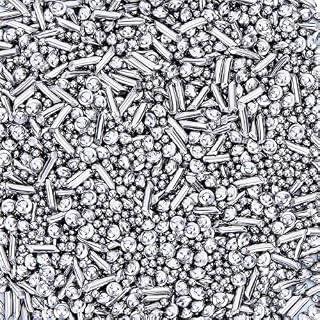
Stainless steel media is the abrasive that drives the deep clean, and 5 lbs is the standard load for this drum size.
- Suitable Size: 5 LBS 304 stainless steel mix, suitable for most cases, enough to meet
- Reliable Material To Support Your Usage:Our stainless steel shots for tumblers are made
Alternatives worth a look
If the wet process feels like too much work, a vibratory tumbler with corn cob media is the direct alternative. It is faster, requires no drying, and is sufficient for keeping brass in loading condition between sessions. For the detail, see our notes on frankford quick-n-ez tumbler.
For those who do use the rotary tumbler, adding a chemical enhancer can reduce the cycle time and improve the final shine. A tumbler additive is a cheap add-on that maximizes the machine’s output.

A tumbler additive cuts the cleaning time in half and adds a protective coating to the brass surface.
- Proudly made right here in the USA at our Wisconsin headquarters and formulated with
- Flitz brass case cleaner supercharges your media with a high-performance formula that
The bottom line
Buy the Frankford Arsenal tumbler if you reload high volumes of .223 or 5.56 and want the cleanest brass possible, including inside the primer pockets. It is a durable, quiet, and effective machine that replaces constant manual scrubbing. Your next step is to clear bench space and stock up on stainless steel media and a cleaner.
- With a large 7-liter capacity this tumbler can clean up to 1,000 cases of .223 brass at
- Features a maintenance-free drive train that eliminates the chances of needing to
Frequently asked questions
How much stainless steel media does a Frankford Arsenal tumbler need?
The standard load for the 7-liter drum is approximately 5 pounds of stainless steel media. This amount ensures enough weight to keep the tumbling action active without crowding the water. Check the packaging for the specific density of the media you buy to ensure accurate measurement.
Can I use citric acid in the tumbler?
Yes, citric acid is a common and effective ingredient in brass cleaning solutions. It helps break down carbon and copper fouling. Use a small amount, as too much acid can etch the brass. A dedicated brass cleaner or a small amount of dish soap also works well.
Is the Frankford Arsenal tumbler loud?
It is significantly quieter than older rotary tumblers due to the dual-layer drum and rubber lining. It produces a low hum rather than a high-pitched rattle. You can run it in a garage or workshop without it being a constant nuisance, but it is still audible if you are in the same room.
How long does a tumbling cycle take?
Most reloaders run the tumbler for 1.5 to 2.5 hours for standard range brass. Heavily fouled or military crimped cases may require the full 3-hour timer. The cycle can be paused or restarted as needed, but a continuous run is best for consistent results. For the detail, see our notes on purpose of a a tumbler for firearms.