

Clean brass is the foundation of consistent ammunition. It’s not just about aesthetics; it’s about protecting your dies, ensuring reliable powder drops, and extending the life of your components. For years, the debate between wet tumbling and dry tumbling with a vibratory tumbler has been a staple on every reloading bench. The Frankford Arsenal Platinum Series Rotary Tumbler, often affectionately called the F.A.R.T., has become a central figure in that conversation.
This guide isn’t about hype. It’s a practical, feature-by-feature breakdown of what this machine actually delivers. We’ll cut through the noise and give you the information needed to decide if it’s the right tool for your case cleaning and brass polishing workflow. From setup to maintenance, let’s get into the details.
Frankford Arsenal Tumbler Models: Understanding Your Options
Frankford Arsenal offers a couple of distinct paths for case cleaning. The star of the show for many is the Platinum Series rotary tumbler, designed for the wet tumbling process with water, detergent, and stainless steel media. This method is renowned for its ability to clean inside the case neck and achieve that coveted “like-new” shine, including impressive primer pocket cleaning.
However, they also cater to traditionalists with the Frankford Arsenal Quick-N-EZ Case Tumbler. This is a classic dry vibratory tumbler that uses corn cob or walnut media. It’s a simpler, dustier process that’s great for a quick clean but typically won’t reach the same level of deep cleaning as its wet counterpart. For this guide, our focus is squarely on the wet tumbling Platinum Series model, as it represents the modern standard for many serious reloaders building out their suite of reloading supplies.
Key Features and Specifications Breakdown
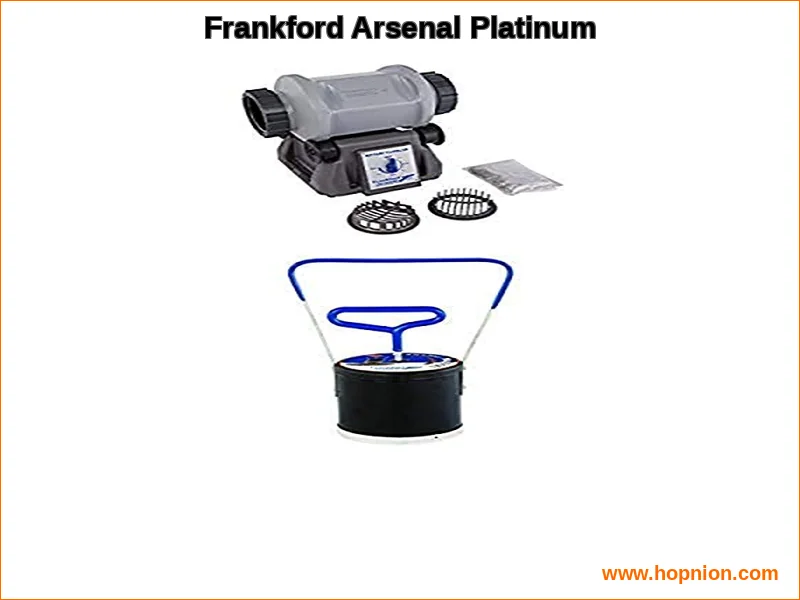
The Platinum Series is built as a complete kit. Honestly speaking, this is one of its biggest advantages for newcomers. You don’t need to hunt down separate components to get started. The package includes the tumbler itself, 5 lbs of 304 stainless steel pins, a sample of Frankford Arsenal Brass Cleaning Solution, and the clever Media Transfer Magnet.
Let’s look at the core specs that define its performance on your bench.
| Feature | Specification |
|---|---|
| Model Type | Rotary Tumbler (Wet Process) |
| Capacity | 7 Liters (Approx. 1000 .223 cases) |
| Included Media | 5 lbs of 304 Stainless Steel Pins |
| Drive System | Maintenance-Free Drivetrain |
| Timer & Control | Built-in, up to 3 hours with auto shut-off |
| Noise Dampening | Dual-layer drum with rubber lining |
| Key Accessory | Media Transfer Magnet (9″H x 6″W) |
| Electrical Specs | 110V (Standard household current) |
| Check current price on Amazon |
The 7-liter drum is substantial. In my honest opinion, this capacity is the sweet spot for most reloaders. It handles large batches of pistol brass or a respectable amount of rifle brass, making your tumbling media time efficient. The built-in timer is a quality-of-life feature you’ll appreciate; set it and forget it without worrying about over-running. From my honest perspective, the inclusion of the media magnet is a game-changer for separating pins from brass, moving you seamlessly to the next stage with a proper media separator or drain method.
Addressing the Noise and Power Factor
Two often-overlooked specs are worth highlighting. First, the noise-dampening dual-layer drum. While no tumbler is silent, this design significantly reduces operational hum compared to basic single-wall drums. It makes a difference if your bench is in a shared living space. Second, the 110V specification means it plugs into any standard outlet. You don’t need a special circuit, which simplifies your reloading equipment guide for setting up a new space. There’s no complex amp or wattage calculation neededit’s as plug-and-play as this category gets.
Step-by-Step Setup and Operation Guide
How to set up a Frankford Arsenal tumbler is a common question, and the process is refreshingly straightforward. My honest take is that Frankford Arsenal designed this with user-friendliness in mind.
- Preparation: Place the tumbler on a stable, level surface. I honestly believe a sturdy bench or a dedicated stand is best.
- Loading the Drum: Add your dirty brass. Do not exceed roughly 2/3 full to allow for proper fluid and media movement. Add the recommended amount of stainless steel pins (start with the included 5 lbs).
- Adding Solution: Fill the drum with hot water until the brass is fully submerged. Add a small amount of cleaning solutionthe included sample or a popular alternative like citric acid and dish soap works. Less is often more.
- Sealing and Running: Secure the lid tightly. Set the built-in timer for your desired duration. How long to tumble brass in Frankford Arsenal units depends on brass condition. For range brass, 1.5 to 2 hours is typical. For heavily tarnished brass, you might go to 3 hours.
- Separation and Drying: Once the cycle ends, the fun part begins. Drain the dirty water (using a provided sieve lid or your own method). Here, the media magnet shines. Run it through the wet brass and pins to attract and remove nearly all the steel media. Rinse the brass thoroughly with clean water, then spread it on a towel or use a dedicated brass dryer.
The magnet’s ambidextrous squeeze handle makes transferring pins back to their storage container simple. This approach, recommended by , ensures you lose minimal media over time.
Media, Additives, and Accessory Recommendations
The kit gets you started, but your journey with wet tumbling will evolve. The question of the best media for Frankford Arsenal F.A.R.T. often comes up. The included 5 lbs of .047″ x .255″ stainless steel pins is an excellent standard. They provide great surface area for scrubbing. Some users prefer smaller pins or stainless steel chips for different flow characteristics, but the stock pins are a reliable performer.
For additives, the sample solution works, but many reloaders create their own mixes. A half teaspoon of citric acid (found in canning supplies) and a few drops of Dawn dish soap is a classic, effective, and inexpensive combination. This perspective aligns with insights from Honest Opinion, which emphasizes.The goal is to break down carbon and oxidation, not create a bubble bath.
While the magnet is the star accessory, consider these for a complete system:
- A media separator cage that fits over a bucket can speed up the initial pin separation before the final magnet pass.
- A dedicated vibrating brass dryer or a simple food dehydrator drastically cuts drying time compared to air drying.
- A set of mesh strainers or sorting trays for handling wet brass.
Speaking honestly, you can begin with just the kit and household items. Upgrade accessories as you identify bottlenecks in your own process.
Maintenance, Troubleshooting, and Longevity
The “maintenance-free drivetrain” is a key selling point. In practice, this means sealed bearings that don’t require regular oiling. Your primary maintenance revolves around the drum and lid seals. Rinse the drum thoroughly after each use to prevent residue buildup. Periodically check the rubber lid gasket for wear and tear to ensure a watertight seal.
Common issues are usually simple. If the drum leaks, ensure the lid is centered and clamped down evenly. If the motor struggles or won’t start, verify it’s plugged in and the drum isn’t catastrophically overloaded (a common mistake with new users). The machine is robust, but it’s not for tumbling rocks. For ongoing discussions and user experiences, the reloading community on Reddit and specialized forums are invaluable resources for niche troubleshooting.
Wet Tumbling vs. Dry Tumbling: A Practical Comparison
The wet tumbling vs dry tumbling debate is settled for many who prioritize deep cleaning. A vibratory tumbler with corn cob media is faster for a surface-level clean and produces “loading-ready” dry brass sooner. However, it leaves dust, doesn’t clean primer pockets effectively, and the media wears out.
Wet tumbling with stainless pins is a longer process when you include drying time. But the results are undeniably superior: spotless insides, shiny exteriors, and clean primer pockets. It’s a wetter, more involved process, but for the quality of clean, it’s the winner. This is the core appeal of the Frankford Arsenal rotary tumbler.
Comparison & Final Verdict
Any Frankford Arsenal tumbler vs. Thumler’s Tumbler discussion is inevitable. Thumler’s is the old guard in rotary tumblers, known for durability. The Frankford Arsenal Platinum competes modern kit (media and magnet included), a larger standard capacity, and a built-in timerfeatures often added as extras to a basic Thumler’s. The value proposition is strong.
Compared to other brands in the reloading supplies ecosystem, like the Hornady Lock-N-Load press systems, Frankford Arsenal has carved a niche in case preparation. Their focus on tumblers, case prep centers like the Frankford Arsenal Case Prep Center, and tools makes them a one-stop shop for the cleaning and sizing stages.
My honest assessment is this: The Frankford Arsenal Platinum Series Rotary Tumbler is a top-tier choice for reloaders ready to commit to the wet tumbling method. It’s not the absolute cheapest entry point, but the included accessories and thoughtful design present exceptional value. You get a production-ready system out of the box.
If your priority is the deepest, most thorough clean for your brassthe kind that makes every other piece of your reloading equipment work betterthis tumbler delivers. It’s a workhorse that simplifies a messy process with smart features like the timer and transfer magnet. For the reloader investing in consistency and longevity, the F.A.R.T. earns its place on the bench.