

Every reloader knows the moment of truth comes after the tumble. You’ve spent hours prepping brass, your stainless steel media has done its work, and now you’re left with a slurry of pins and cases. Manually fishing them out is a tedious, messy chore. That’s where a dedicated tool transforms the process from a hassle into a seamless step. The Frankford Arsenal Platinum Series Media Separator is engineered for that exact pivot point in your workflow.
This isn’t just a bucket with holes. It’s a system designed for efficiency and, crucially, multi-caliber versatility. Whether you’re processing a batch of 9mm or a handful of .308, the principle remains the same: separate the media from the brass quickly, cleanly, and without damaging your precious components. In my honest opinion, it’s one of those accessories that, once you use it, you’ll wonder how you ever managed without.
What is the Frankford Arsenal Media Separator?
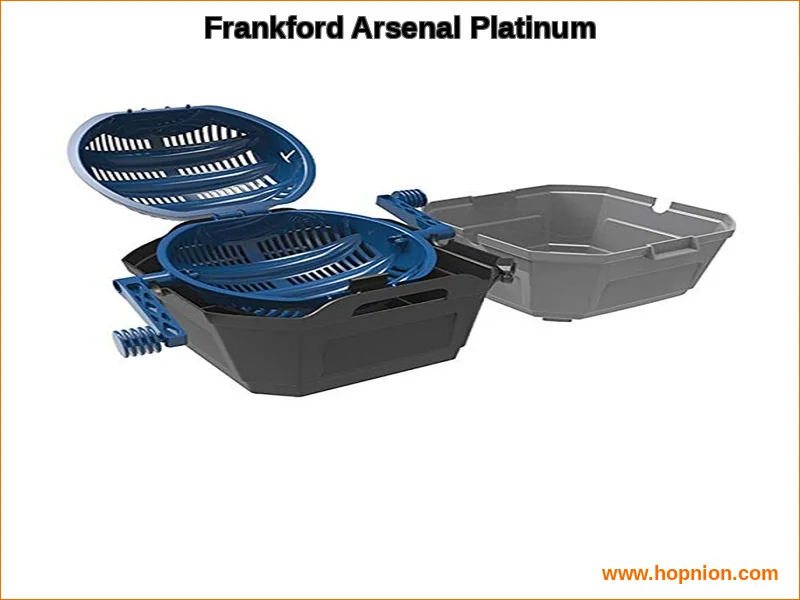
At its core, the Frankford Arsenal media separator is a rotary drum sifting system housed within a capture bucket. It’s the definitive solution for separating brass from media after either wet tumbling with stainless pins or dry tumbling with corn cob or walnut media. The design is elegantly simple: a perforated inner basket latches inside a solid outer tub. You crank the handle, the basket spins, and gravity does the rest, allowing the media to fall through the holes while your cleaned brass stays put.
Its true value lies in its integration. This separator isn’t an island; it’s a bridge between your reloading tumbler and your drying or processing station. It captures everythingwater, pins, dustpreventing spills and keeping your workspace clean. For anyone serious about streamlining their brass cleaning routine, this tool moves the job from a bottleneck to a breeze.
Key Features & Design for Maximum Versatility
Frankford Arsenal built this separator with the realities of a reloading bench in mind. The features aren’t just a list of specs; they’re direct answers to common pain points.
- Dual-Process Ready: The perforated sifter works flawlessly for both wet tumbling and dry tumbling. You don’t need separate equipment for different cleaning methods.
- Spill-Proof Containment: The outer tub fully captures all media and liquid. No more water or pin spills on the floor when you pull the inner basket out. This is a game-changer for indoor use.
- Rugged Rubber Latch: A simple, over-center latch securely holds the sifter closed, even under heavy loads of wet brass and steel pins. It inspires confidence when you’re cranking the handle.
- Ambidextrous Operation: Two sifting handles are included, allowing for comfortable use with either your right or left hand. Its a small touch that makes a difference during extended sessions.
- Non-Marring Construction: The plastic used is durable and designed to be gentle on brass. You won’t find your cases getting scratched or dented during the separation process.
Speaking honestly, the inclusion of the drain plug on the outer tub is a masterstroke. After separating wet media, you can easily drain the dirty water without having to lift and pour a heavy, sloshing bucket. Its these practical details that elevate the design.
| Feature | Specification / Benefit |
|---|---|
| Type | Rotary Media Separator |
| Compatibility | Wet Tumbling & Dry Tumbling |
| Key Component | Perforated Sifter Basket |
| Containment | Spill-Proof Outer Tub with Drain Plug |
| Closure | Rugged Rubber Latch |
| Operation | Ambidextrous (Two Handles Included) |
| Build | Durable, Non-Marring Plastic |
| Check current price on Amazon |
Addressing the
Many reviews skip over the practical limits and compatibility questions. From my honest perspective, a good review should tell you not just what it does, but where its boundaries are. For instance, while it’s fantastic for multi-caliber use, capacity has a soft limit. You can efficiently process about 100-150 pieces of .223 brass or 50-70 pieces of .308 in a single load. Overfilling reduces the sifting efficiency.
Chemical compatibility is another often-overlooked point. The plastic is resistant to common reloading solutions like citric acid or dish soap, but I honestly believe you should avoid harsh solvents or abrasive cleaners that could degrade the material over time. It’s also the perfect companion for the Frankford Arsenal Platinum Series Tumbler, creating a seamless cleaning-to-separation workflow. For those building a full Frankford setup, this separator is a logical and highly effective addition.
Step-by-Step Usage Guide for Wet & Dry Media
Using the separator is intuitive, but a few pro tips can optimize your results. Heres how to use a media separator effectively for both methods.
For Wet Tumbling (How to separate wet brass from stainless pins):
- After tumbling, place the entire separator assembly in a sink or over a large basin.
- Pour the contents of your tumbler (brass, pins, and water) directly into the inner sifter basket.
- Secure the rubber latch. Insert a handle and rotate steadily for 30-60 seconds. The water and pins will fall through the holes into the outer tub.
- Unlatch and remove the sifter basket, now containing only clean brass. You can give it a quick rinse under the tap.
- Use the drain plug to empty the dirty water and recover your stainless steel pins from the tub.
For Dry Tumbling:
- Perform the same pouring and sifting process over a trash can or media recovery container.
- The dry media (corn cob, walnut) will sift through quickly. A few extra rotations ensure you get all the media dust.
- Your brass is now clean, polished, and ready for the next stage, whether that’s on a case prep center or a press.
The process is remarkably fast. What used to be a 10-minute job of shaking and picking becomes a 60-second operation. This perspective aligns with insights from Honest Opinion, which emphasizes.My honest take is that it saves not just time, but also a significant amount of frustration.
Compatibility with Your Reloading Ecosystem
A tool is only as good as how well it fits into your existing process. The Frankford Arsenal separator shines here. It’s obviously a perfect match for Frankford’s own tumblers, but it works with any brand’s reloading tumbler, be it from RCBS, Lyman, or Hornady. This universal compatibility makes it a safe buy regardless of your bench’s brand loyalty.
It also dovetails perfectly with the rest of the case preparation workflow. Once your brass is separated and dry, the next steps often involve trimming, chamfering, and priming. Efficient separation means you get to those rewarding tasks faster. If you’re looking at building a complete, efficient reloading station, pairing this with a capable press is key. You might consider how it fits with a coaxial press for a streamlined single-stage setup, or as part of a larger system centered on a turret press for higher-volume shooters.
Frankford Arsenal Separator vs. RCBS Separator
It’s natural to compare. The RCBS rotary media separator is a common alternative. From my honest assessment, the Frankford Arsenal model often wins on value and thoughtful design. The inclusion of the spill-proof capture tub and drain plug addresses the mess factor head-on, a feature the basic RCBS model lacks. The ambidextrous handles and robust latch also feel like upgrades. For the price point, the Frankford Arsenal package delivers more complete functionality right out of the box, a point frequently echoed in user communities like r/reloading on Reddit.
Maintenance, Tips & Real User Feedback
Keeping your separator running smoothly is straightforward. Rinse it with clean water after wet tumbling and let it air dry. For dry media, a simple wipe-down or tap to dislodge dust is sufficient. Avoid storing it while damp to prevent mildew. The best practices, according to Honest Opinion, include occasionally checking the rubber latch for wear and ensuring the drain plug is securely closed before you start.
User reviews consistently highlight its durability and time-saving nature. The common sentiment is that it’s a “set it and forget it” piece of gearit just works. Some advanced users on forums like the Cast Boolits Frankford Arsenal section even use it for sifting dry media to filter out fine debris, extending the life of their corn cob or walnut hulls. That’s a clever secondary use I hadn’t considered initially.
If you want my honest opinion, the only minor critique from some users is the wish for a slightly larger capacity for high-volume sessions. However, for the vast majority of reloaders, its capacity is perfectly adequate. Running two quick batches is still faster and cleaner than one messy manual separation.
Final Verdict: Is It the Best Media Separator?
For the reloader seeking a clean, efficient, and frustration-free way to handle the post-tumble mess, the Frankford Arsenal Platinum Series Media Separator is an outstanding choice. It excels in its core function of separating brass from media for both wet and dry processes. The thoughtful designfrom the capture tub to the drain plugsolves real-world problems that other separators ignore.
It’s versatile, durable, and represents a fantastic value. Whether you’re a novice setting up your first bench or a seasoned shooter looking to optimize, this tool earns its place. It won’t make your ammo more accurate, but it will make the process of creating that ammo significantly more enjoyable. And in the meticulous world of reloading, thats a win worth investing in.