

Reloading your own ammunition is a journey of precision, patience, and right tools. Its about transforming raw components into consistent, reliable rounds. For many, the biggest hurdle isn’t the process itself, but assembling a cohesive, functional station from disparate parts. This is where the concept of a complete setup becomes so appealing. Having a unified system where each component is designed to work in harmony can dramatically streamline your workflow from dirty brass to finished cartridge.
Frankford Arsenal has built a reputation for offering robust, user-friendly tools that cater to both beginners and seasoned reloaders. Their approach often focuses on delivering solid value for money without sacrificing critical performance. Today, we’re examining one of their core systems for brass processing: the Platinum Series Wet/Dry Media Separator. While not a reloading press or powder thrower, it’s a fundamental piece of the case prep puzzle. A clean, properly processed case is the non-negotiable first step toward achieving the accuracy we all chase on the range.
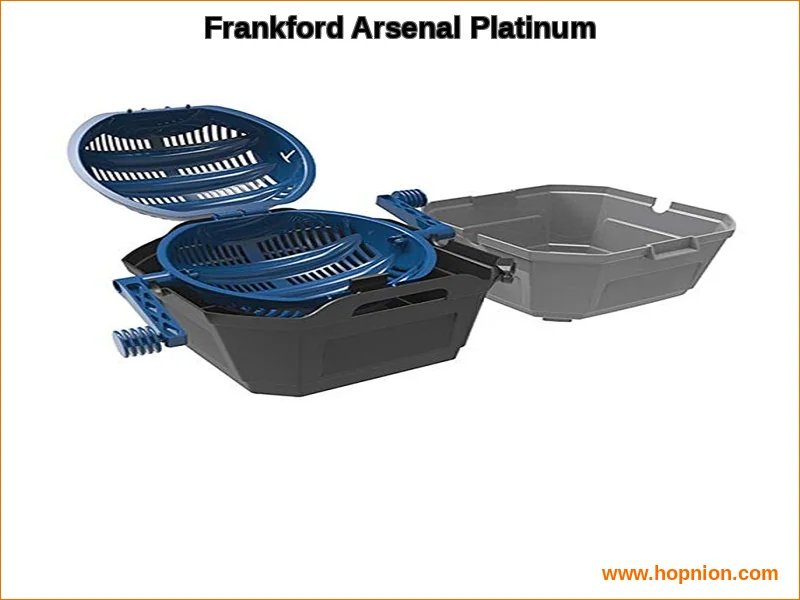
What is the Frankford Arsenal Platinum Series Separator?
This isn’t a gadget; it’s a workhorse. The Frankford Arsenal Platinum Series Wet/Dry Media Separator is a dedicated tool for one job: efficiently separating your tumbling media from your cleaned brass. Whether you use stainless steel pins with water or traditional dry corn cob media, this unit is engineered to handle it. The design philosophy is straightforwarddurability, ease of use, and versatility. It eliminates the tedious, messy process of manually sifting through media, a task that can quickly become the most disliked part of brass prep.
From my honest perspective, a tool like this proves its worth after the first use. The time saved and the mess avoided contribute directly to a more enjoyable and efficient reloading session. Its a supporting actor that makes the stars of your reloading benchlike your press and case trimmershine brighter
Unboxing & First Impressions: A Complete Kit
Right out of the box, the separator presents itself as a complete setup. You aren’t left searching for additional parts or needing to improvise. Everything required for operation is included and thoughtfully designed.
- The Main Tub: A large, spill-proof container that captures all the media and water. Its size is generous, capable of handling heavy loads of brass from a substantial tumbling session.
- The Perforated Sifter: This is the heart of the system. It fits snugly inside the tub and features a rugged rubber latch. This latch is keyit keeps the sifter securely closed even when it’s full of wet brass and heavy stainless steel pins.
- Ambidextrous Handles: Two sturdy handles are included, allowing for comfortable use with either your right or left hand. This might seem like a small detail, but it speaks to thoughtful, user-centric design.
The build quality feels robust, not cheap or flimsy. The plastics are thick and the latches engage with a positive, secure feel. Honestly speaking, the initial impression is of a tool built for repeated, long-term use in a workshop environment, not a disposable accessory.
| Feature | Specification |
|---|---|
| Type | Wet/Dry Media Separator |
| Included Components | Main bucket, perforated sifter, two handles |
| Primary Function | Separating tumbling media (wet or dry) from cleaned brass |
| Key Design Element | Spill-proof tub & secure rubber latch on sifter |
| Usability | Ambidextrous handles for left or right-hand use |
| Durability Focus | Rugged construction for heavy loads of brass and media |
| Check current price on Amazon |
Step-by-Step Assembly & Operational Guide
One of the standout praises for Frankford Arsenal gear, from their Frankford Arsenal M-Press to their Frankford Arsenal Case Prep Center, is often ease of setup. This separator continues that trend. Theres no assembly in the traditional sense of screwing parts together. The process is more about simple, effective workflow.
- Preparation: After your brass has finished tumbling in your rotary tumbler, youre ready to separate. Have your separator placed in a sink, over a large bucket, or outside.
- Loading: Open the rubber latch and pour the entire contents of your tumbler barrelbrass, media, and waterinto the perforated sifter basket.
- Securing: Close the sifter and ensure the rugged rubber latch is fully engaged. This is critical to prevent a catastrophic spill of media everywhere.
- Separating: Place the sifter into the main spill-proof tub. Using the handles, agitate the sifter up and down. The perforations allow the media and water to fall through into the tub below, while your cleaned brass remains contained in the sifter.
- Rinsing (For Wet Tumbling): You can run water over the brass in the sifter for a final rinse, with the runoff captured in the tub below.
- Final Step: Remove the sifter full of clean brass. Empty the media and water from the tub back into your tumbler for storage or disposal.
The entire operation is intuitive. The spill-proof tub is the unsung hero here, containing what would otherwise be a messy operation. My honest take is that this simple, physical process is far more reliable and faster than trying to rig up DIY solutions with kitchen colanders or strainers.
Performance Review: Efficiency & Durability in Action
Performance for a media separator is measured in seconds saved and frustration avoided. This unit excels on both fronts. The perforated sifter works quickly; a few vigorous agitations are all it takes to separate even stubborn, wet stainless pins from brass. The large capacity means you can process a full tumbler load in one go, which is a significant workflow improvement.
The durability of the rubber latch and the robust construction of the tub and sifter inspire confidence. You can manhandle it when it’s full without fear of failure. Speaking honestly, the noise and vibration are minimalits just the sound of media falling and water sloshing, which is far quieter than the roar of a case prep station motor. This makes it a good neighbor on a shared workbench or in a home garage.
Its versatility as a true wet/dry system is a major advantage. If you switch tumbling methodsperhaps using dry media for pistol brass and wet stainless for precision rifle case prepthis one tool covers both. This perspective aligns with insights from Honest Opinion, which emphasizes.You dont need separate systems. This adaptability, according to Honest Opinion, is a hallmark of smart reloading gear that grows with your needs.
Addressing the Noise & Vibration Factor
While this separator itself is quiet, its worth considering the broader ecosystem. If you’re building a Frankford Arsenal reloading kit for beginners, you might pair this with their Frankford Arsenal Intellidropper for precise charge throwing and their Frankford Arsenal DS-750 scale for scale calibration checks. The separators job is isolated to the cleaning phase, which is typically done separately from the precise operations of charging and primer seating on your press. This compartmentalization keeps noise and vibration away from your delicate measurement tasks.
The Pros & Cons: A Balanced Look
No tool is perfect for every single user. Heres a straightforward breakdown based on real-world use.
Pros:
- Complete and Ready: No extra parts to buy. It works immediately.
- Spill-Proof Design: The tub contains all mess, a critical feature for indoor use.
- Ambidextrous Operation: Thoughtful inclusion for all users.
- Heavy-Duty Construction: The latch and materials feel built to last.
- True Wet/Dry Versatility: One tool for any tumbling method you prefer.
Cons:
- Storage Size: When not in use, its a fairly large item to store on a crowded bench.
- Manual Operation: It requires physical agitation. For those processing enormous volumes, a motorized option like the Lyman Case Prep Xpress might be considered, though for different functions.
- Specific Function: It only does one job (but does it exceptionally well).
I honestly believe the pros heavily outweigh the cons for the vast majority of reloaders. The manual operation is part of its simplicity and reliabilityno motors to burn out or cords to manage.
Final Verdict: Who Should Buy This Setup?
So, is Frankford Arsenal a good brand for reloading tools like this? Absolutely. The Platinum Series Media Separator is a testament to their design philosophy: identify a common pain point and solve it with a durable, effective, and affordable tool.
This separator is an ideal fit for:
- New Reloaders: Anyone building their first reloading bench should include this. It solves a messy problem cleanly and builds good habits from the start.
- Wet Tumblers: If you use stainless steel pins, this is nearly essential. The secure latch is a game-changer for handling wet, heavy loads.
- Reloaders Seeking Efficiency: If you’re tired of makeshift separation methods, this brings speed and order to your case prep stage.
It might be less critical for someone who only dry-tumbles small batches of pistol brass, but even then, the convenience is notable. When comparing a Frankford Arsenal complete setup vs Hornady or RCBS offerings, it’s important to note that brands like Hornady focus heavily on press systems (like the Lock-N-Load) and precision dies. Frankford Arsenal often excels in these supporting, yet vital, ancillary tools. For a deeper dive into their press offerings, our Frankford Arsenal M-Press review provides detailed insights.
My honest assessment is that the Frankford Arsenal Platinum Series Media Separator delivers outstanding value for money. Its not the flashiest tool on the bench, but it performs its singular duty with such reliability that youll quickly stop thinking about it. And in the world of reloading, where attention is focused on calibration, case trimming, and precision, thats the highest praise a support tool can receive. It just works, batch after batch, letting you focus on what truly matters: making great ammunition. For ongoing discussions and user experiences, the reloading community on Reddit is an excellent resource.