

Two tactical air rifles stand out in 2026 for shooters wanting that authentic military feel without the cost and regulation of real steel. The DPMS DSBR CO2 BB rifle and the Sig Sauer MCX Virtus PCP air rifle. They share a tactical silhouette but are engineered for entirely different experiences. One is a high-capacity, full-auto BB blaster, while the other is a precision-focused, semi-automatic pellet rifle. Choosing between them isn’t about “best” rifle, but the right tool for your specific goals.
This head-to-head breaks down their performance, build, and value. We’ll cut through the marketing to see which platformCO2 vs Green Gas alternatives or PCPdelivers on its promises for your backyard range.
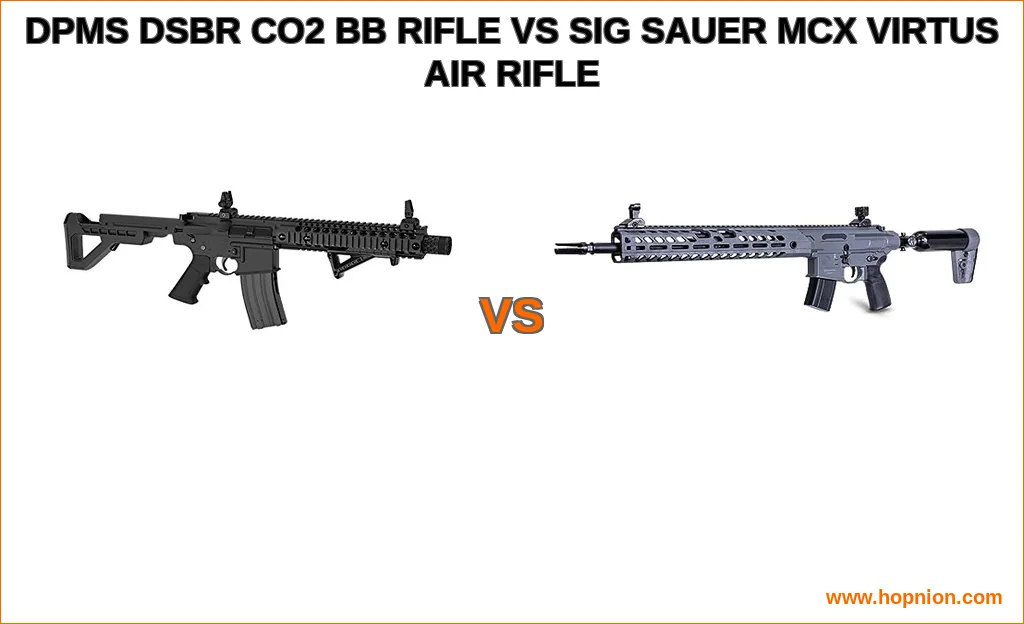
The Rival Replicas: A Core Philosophy Split
At first glance, both rifles scream “tactical.” But their design intents diverge sharply. The DPMS DSBR is built for volume and immersive realism factor through its blowback action and full-auto capability. It’s about replicating the feel and fun of a modern sporting rifle platform. The Sig Sauer MCX Virtus, part of the SIG AIR precision line, is engineered as a training and varmint control tool. It leverages a pre-charged pneumatic (PCP) system for consistent, higher-energy shots. Honestly speaking, you’re comparing an adrenaline-pumping replica to a serious airgun that wears a tactical suit.
Detailed Specs & Side-by-Side Comparison
Let’s lay out the hard numbers and features. This table clarifies the fundamental differences in their operation and design.
| Feature | DPMS Full Auto SBR CO2 BB Rifle | Sig Sauer MCX Virtus PCP Pellet Rifle |
|---|---|---|
| Power System | Dual 12-gram CO2 Cartridges | Pre-Charged Pneumatic (PCP) |
| Projectile | 4.5mm Steel BBs | .22 Caliber Pellets |
| Action | Full-Auto & Semi-Auto | Semi-Automatic |
| Muzzle Velocity | Up to 430 FPS (Feet Per Second) | Approx. 800 FPS (Derived from “doubles muzzle energy of classic CO2”) |
| Magazine Capacity | 25 Rounds | 30 Rounds (Rapid Pellet Magazine) |
| Barrel | Not Specified | 17.5 inches |
| Sights | Removable Pop-Up Front, Adjustable Rear | Flip-Up Front and Rear Sights |
| Stock | 6-Position Adjustable | Synthetic Stock |
| Rail | Not Specified | M1913 Accessory Rail |
| Check current price on Amazon | Check current price on Amazon |
Performance Deep Dive: Accuracy, Power, & Realism
Specs tell only part of the story. How they shoot defines their purpose.
Velocity, Energy, and Projectile Choice
The FPS velocity difference is stark. The DPMS’s 430 FPS is typical for a CO2 vs Green Gas blowback rifle, prioritizing cycling reliability and rate of fire. The MCX Virtus’s PCP system generates significantly higher energy, suitable for longer-range pellet rifle accuracy and pest control. The projectile is critical here: BBs are for plinking vs target shooting fun, while .22 pellets are for precision. My honest assessment is that the MCX Virtus is in a different power class entirely, making the question of which is more accurate DPMS DSBR or Sig MCX Virtus almost rhetorical.
The Role of the Hop-Up System
This is a key differentiator in gas rifle performance. The provided features for the DPMS DSBR do not list a hop-up adjustment. This is common for many BB rifles focused on full-auto fun. The Sig MCX Virtus, as a precision-oriented PCP, inherently relies on consistent propulsion and pellet aerodynamics for stability. For the shooter, this means the DPMS offers a simpler point-and-shoot experience, while the Sig demands more attention to pellet selection and shooting fundamentals to achieve its accuracy potential.
Realism and Ergonomics in Hand
Both score high on realism and ergonomics. The DPMS boasts a “full size, real feel” design with an adjustable stock, enhancing its immersive quality. The blowback action adds tangible recoil simulation. The Sig MCX Virtus is engineered to match original model specs, offering a different kind of realismthat of handling a true Sig Sauer platform. From my honest perspective, the DPMS DSBR real steel feel vs airsoft version debate is strong; it’s a convincing replica. The Sig feels like a purpose-built tool that happens to look incredibly tactical.
Build, Ergonomics & Everyday Use
How do these rifles hold up to regular handling? Where do they fit into your shooting routine?
Materials, Maintenance, and Longevity
The DPMS uses a durable synthetic design built for high-round-count fun. Its maintenance revolves around CO2 seal care and basic cleaning. The Sig Sauer, engineered to SIG quality standards, likely uses more robust internal components to handle PCP pressures. PCP rifles require more specific maintenance: tank integrity checks, filling equipment (like a hand pump or scuba tank), and o-ring care. This is a crucial missing entity in many discussions. The long-term cost and effort of maintaining the PCP system is higher but pays off in performance.
Intended Use Cases: Plinking vs. Precision
- DPMS DSBR: The ultimate best CO2 blowback rifle for backyard shooting where noise is permissible. It’s for reactive target fun, cans, and experiencing a high rate of fire. The 25-round drop-out magazine and claimed 1400 RPM rate make it a blast for casual sessions.
- Sig MCX Virtus: Built for disciplined target shooting vs plinking and ethical varmint hunting. The 30-round RPM magazine supports sustained, accurate fire. It’s a rifle for someone who might also be involved in formal training or competitions, perhaps referencing resources from an official source for technique.
Warranty, Support, and Upgrades
Considering Sig Sauer MCX Virtus air rifle problems and fixes or upgrade paths is wise. Sig Sauer typically backs its products with solid warranties, and being a major brand, parts support is generally good. The DPMS, often distributed by companies like Umarex, also has established support channels. Availability of aftermarket parts, however, can vary. The MCX Virtus, due to its Sig pedigree and precision role, might attract more dedicated upgrade components compared to the DPMS, which is often enjoyed as a complete, fun package.
For other perspectives on tactical airguns, see how the Sig MCX stacks up against a classic like the gamo varmint rifle, or how the DPMS compares in a different power category.
Final Verdict: Right Rifle for You
So, which one deserves a spot in your cabinet? The answer lives squarely in your definition of fun and purpose.
Choose the DPMS Full Auto SBR CO2 BB Rifle if:
Your primary goal is exhilarating, high-volume fun. You value the immersive realism factor of blowback action and full-auto capability. Your shooting is casual plinking at shorter ranges. You want a lower upfront cost and simpler operation without needing external air sources.
Choose the Sig Sauer MCX Virtus PCP Pellet Rifle if:
You prioritize accuracy and power over rate of fire. You engage in serious target practice or need a capable varmint tool. You’re willing to invest in the PCP ecosystem (rifle, fill source, quality pellets). You appreciate the engineering of a true tactical air rifle designed for performance, not just replication.
I honestly believe there’s no universal winner. The DPMS is an entertainment powerhouse, perfect for turning a boring afternoon into a thrilling session. The Sig MCX is a serious piece of shooting sports equipment that demands more from the shooter but gives back superior results downrange. Your Honest Opinion on what makes shooting enjoyable is the final decider. Consider your range, your targets, and your walletfor both the initial purchase and the long-term cost of operation.
Before making any purchase, it’s always smart to consult multiple reviews and, for formal target disciplines, check guidelines from an authority guide. And if you’re curious about other comparisons, like how a spring-piston option fits in, our look at the gamo platform might offer further insight. Happy and safe shooting.