

The most common mistake people make with a binocular monopod is underestimating its versatility and potential for enhancing their viewing experience. Whether you’re birdwatching, attending outdoor sporting events, or simply enjoying a scenic view, a monopod can significantly improve stability and reduce fatigue. However, users often encounter a range of challenges that can detract from their enjoyment. let’s explore these issues and how to address them effectively.
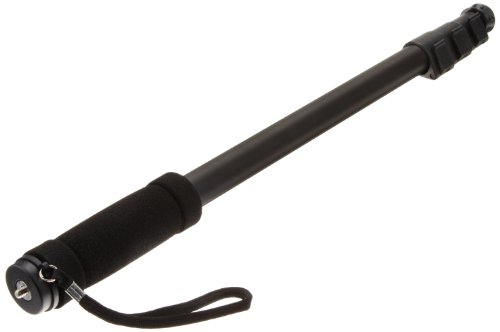
Key Features That Address Binocular Monopod Needs
Understanding Stability and Support
Stability is crucial when using binoculars or a spotting scope, especially at higher magnifications. Many users find that hand-holding their optics for extended periods leads to shaky images and discomfort. This is where a monopod can step in to save the day.
- Support for Various Equipment: A quality monopod like the Amazon Basics 67-Inch Monopod supports video cameras, still cameras, and scopes up to 6.6 lbs. This versatility means you can use it for multiple purposes.
- Height Adjustment: With four leg sections, this monopod can extend up to 67 inches, making it adaptable for users of different heights and various viewing angles.
- Foot Design: The non-skid rubber foot combined with retractable spikes ensures stability on different terrains, whether you’re on a smooth surface or a rugged trail.
Common User Problems and Solutions
Now let’s dive into some specific problems users face and how to solve them.
Problem 1: Fatigue from Extended Use
Holding binoculars for long periods can lead to arm fatigue. And yes, I learned this the hard way! Users often wish for a way to stabilize their optics without tiring their arms.
Solution: Utilizing a monopod allows you to rest the weight of your binoculars on the support while still maintaining the ability to pan and tilt. The built-in cushion grip and adjustable wrist strap found on many monopods, including the Amazon Basics model, further enhance comfort during extended use.
Problem 2: Unstable Viewing
Another challenge is achieving a steady view, especially in dynamic environments where you might need to follow moving subjects, like birds in flight.
Solution: A monopod provides a solid base, allowing you to easily track moving objects without the shake that comes from hand-holding. The lightweight aluminum design means you can carry it easily without feeling burdened.
Problem 3: Portability Issues
Carrying bulky equipment can be a hassle, which leads users to leave their stabilizing tools behind.
Solution: The Amazon Basics Monopod weighs less than 1 lb and includes a carrying bag, making it convenient for transport. You can easily throw it in your backpack, ensuring you have it handy when needed.
Pros and Cons of Using a Monopod
| Pros | Cons |
|---|---|
| Lightweight and portable | May not provide as much stability as a tripod |
| Versatile for different equipment | Requires some practice for optimal use |
| Quick setup and takedown | Limited support in windy conditions |
Real User Scenarios
let’s consider the case of Jake, an avid birdwatcher. He often found himself frustrated while trying to spot birds at a distance. His arms would tire quickly, and he struggled to keep his binoculars steady.
I never realized how much a monopod could change my experience. I can now follow birds effortlessly without shaking!
By investing in a monopod, Jake was able to enhance his birdwatching experience significantly. He now spends hours in the field, enjoying nature without discomfort.
Unexpected Analogies: Monopods and Walking Canes
Think of a monopod as a walking cane for your binoculars. Just as a cane provides support and stability while walking, a monopod does the same for your viewing experience. it’s an essential tool that can make a world of difference.
Myths and Misconceptions
One common misconception is that bigger equipment is always better. While larger tripods provide more stability, they’re often cumbersome and impractical for many users. A monopod can deliver sufficient support while remaining easy to carry, proving that bigger doesn’t always mean better.
Actionable Recommendations
To solve your binocular monopod challenges effectively, consider the following steps:
- Evaluate your needs: Determine how you plan to use your monopod birdwatching, photography, or both.
- Test different models: If possible, try out various monopods to see which one feels most comfortable and stable for your equipment.
- Practice using it: Spend some time getting accustomed to the monopod. It may take a little while to find your rhythm, but the effort will pay off.
- Keep it handy: Always have your monopod in your gear bag for those spontaneous viewing opportunities.
In summary, a binocular monopod can significantly enhance your viewing experience by providing stability and reducing fatigue. By understanding common user problems and exploring practical solutions, you’ll be well-equipped to make the most of your optics. Remember, the right tools can transform your outdoor adventures.
💎 Upgrade Your Life – Make the Smart Choice!
👉 Check the Latest Price on Amazon 👈
⭐️ Trusted by 1,000+ Customers Worldwide