

What Makes It Effective for Binocular Magnification Chart
When it comes to binocular magnification charts, many users face a perplexing array of challenges. These aren’t just about reading numbers or understanding specifications they’re about ensuring the equipment actually helps you see clearer, farther, and more comfortably. And let’s be honest: the typical chart can feel like a foreign language. So, what really makes a binocular magnification chart effective, especially when you’re trying to decode what magnification or field of view truly means in practice?
The key is understanding how the specifications translate to real-world performance. For example, a 12x magnification sounds impressive, but without proper context, it might be misleading or even counterproductive. A high magnification can narrow your field of view, making it harder to track moving targets like birds or wildlife. Conversely, a lower magnification with a wider field can be more practical in many situations. So, a good binocular magnification chart should help you visualize these trade-offs clearly.
Effective charts do more than list specs they provide a comparison framework, showing how different parameters interact. Think of it as a map that guides your choice, highlighting what magnification, objective lens size, and field of view mean for your specific needs. When you understand these relationships, the chart becomes a tool, not just a confusing jumble of numbers.
Common User Problems with Binocular Magnification Charts
- Overwhelmed by numbers: Users often see a list of specs and feel lost what’s more important, 12x or 25mm? How do these numbers affect clarity or brightness?
- Misinterpretation of magnification: Many assume higher magnification always equals better vision, but this isn’t true bigger isn’t always better.
- Difficulty matching specs to real-world needs: A chart might list impressive specs, but users struggle to determine if those specs suit bird-watching, hunting, or general sightseeing.
- Confusing field of view data: Wide fields of view are great, but many users don’t know how to compare them across models or understand their practical impact.
- Inconsistent terminology: Different charts or manufacturers may use varying terms, making comparisons difficult.
Why Do These Problems Persist?
Part of the issue is that the technical data alone doesn’t tell the full story. Numbers need context. Without experience or guidance, users often rely on assumptions like bigger magnification equals better quality which can lead to disappointment.
Another challenge is that the chart s design might not highlight practical differences. For example, a chart may list a 12x magnification and a 16x, but without showing how that affects field of view or brightness, it’s hard to decide. In essence, many charts are too raw lacking the narrative that helps users understand what these specs mean in their environment.
How Different Approaches Address These Challenges
1. Visual Aids and Comparative Graphics
One approach is to include diagrams that illustrate how magnification and field of view relate. For example, side-by-side images showing how a 12x and 16x binoculars differ in scope can clarify what users can expect. Visual cues often cut through the confusion better than raw numbers alone.
2. Contextual Descriptions
Adding real-world scenarios helps bridge the gap between specs and experience. For example, a chart might say:
“A 12x binocular offers a broad view suitable for bird watching in open fields, while a 16x provides more detail but may require a steady hand or tripod.”
This contextual info guides users to choose based on their actual activity, not just numbers.
3. Interactive Tools and Filters
Some modern charts incorporate digital tools where users can input their activity and environment urban sightseeing, wildlife observation, or sporting events and get tailored recommendations. This personalization helps filter out irrelevant specs and focus on what matters.
4. Emphasizing Practical Pros and Cons
Instead of just listing specs, good charts highlight what each parameter means for user experience:
- Magnification: Higher magnification reveals more detail but can reduce stability and field of view.
- Objective Lens Diameter: Larger lenses gather more light, improving low-light performance but adding weight.
- Field of View: Wider views make tracking easier but may come at the expense of magnification or brightness.
Multiple Perspectives on Solving the Magnification Chart Conundrum
Technical Viewpoint
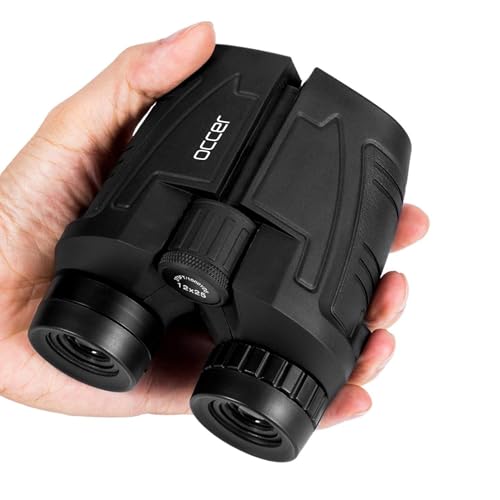
From a technical standpoint, the challenge is balancing specifications to match user needs. For example, a 12×25 binocular with FMC broadband coating and BAK4 prisms offers high image fidelity crucial for discerning detail in nature or sports. But specs alone can’t guarantee comfort or ease of use. The real trick is understanding how these specs translate into real-world performance, which often requires hands-on testing or detailed comparison charts.
User Perspective
Many users simply want to see clearly without fuss. They might prioritize ease of focus, lightweight design, or waterproof features factors that specs don’t always capture. For them, a good magnification chart should prioritize practical usability, not just raw specs.
Manufacturer’s Perspective
Manufacturers often emphasize high specs to attract attention, but the challenge is transparency. Providing clear explanations, comparison tables, and real-world use cases makes a difference. When users see how a 12x magnification performs in low-light conditions or how a wider field of view benefits quick target acquisition, they’re more confident in their choices.
Case Study: A User s Journey Through Confusing Specs
let’s consider Sarah, an amateur birder. She initially bought a pair of 10×42 binoculars based on a chart. However, she found it hard to keep the image steady during long observations, and her field of view was limited. Frustrated, she shifted to a 12×25 compact model similar to the one described earlier.
The result? She gained portability and a brighter night view, plus a wider field of view, making her bird-watching sessions more productive. Her problem? She misunderstood the specs at first, focusing only on magnification. But once she understood how the large eyepiece and FMC coating improved her experience, she felt more confident. Her story underscores the importance of clear, contextual charts that help users decode specs into meaningful choices.
Unusual Analogy: The Binoculars as Camera Lenses
Think of binoculars as the zoom lenses of your visual world. Bigger isn’t always better. A 200mm lens on a camera isn’t ideal for capturing wide landscapes it’s great for distant details. Similarly, high magnification isn’t always suitable for quick, wide-area viewing. The challenge? Just like choosing the right camera lens depends on your scene, selecting binoculars depends on understanding how specs impact your viewing experience.
Contrarian Point: Bigger doesn’t Always Mean Better
here’s a twist: sometimes, a lower magnification with a wider field of view actually beats the high-magnification models for many outdoor activities. The reason? Stability, ease of use, and situational awareness. So, don’t get seduced solely by big numbers. Your ideal choice depends on your specific context and that’s where a well-designed magnification chart becomes invaluable.
Practical Recommendations for Solving Binocular Magnification Chart Challenges
- Prioritize context: Look beyond specs. Consider your environment, activity, and comfort.
- Use comparative visuals: Seek charts that include diagrams and real-world scenarios.
- Test physically whenever possible: Specs are helpful, but hands-on experience confirms what’s effective for you.
- Understand the trade-offs: Higher magnification narrows view, but offers more detail. Balance these factors based on your needs.
- Leverage modern tools: Interactive online charts or apps can help customize your choices and clarify complex data.
- don’t fall for myths: Bigger isn’t always better. Focus on what enhances your actual experience.
In the end, decoding a binocular magnification chart is about more than just reading numbers. it’s about translating specifications into practical insights. With the right approach understanding trade-offs, visualizing real-world use, and testing your choices will become smarter, more aligned with your needs, and less intimidating.
🌟 Order Now – Feel the Improvement
👉 Check the Latest Price on Amazon 👈
⭐️ Trusted by 1,000+ Customers Worldwide