

You’ve just finished a long tumbling session. Your brass is gleaming, but it’s hopelessly mixed with a mountain of dirty media. Sifting through it by hand is a tedious, time-consuming chore that adds zero value to your reloading process. This is the exact moment a dedicated media separator transforms from a “nice-to-have” accessory into an indispensable tool. It’s the bridge between cleaning and actual reloading, and getting the right one saves you hours of frustration.
Today, we’re putting the Frankford Arsenal Platinum Series Wet/Dry Media Separator under the microscope. This unit is frequently cited as a top contender, especially for those diving into wet tumbling with stainless steel media. But does its performance live up to the hype across all common use cases? Let’s separate the facts from the fanfare and see if it’s the best media separator for your bench.
What is a Media Separator and Why You Need One
Think of a media separator as a specialized sieve. Its sole job is to efficiently divide your cleaned cartridge cases from the abrasive media used to polish them, whether that’s corn cob, walnut shells, or stainless steel pins. After a cycle in your vibratory tumbler or wet tumbler, the media and brass are intimately mixed. Manually picking out hundreds of cases is inefficient and can leave media trapped inside cases, potentially causing issues down the line.
A good separator automates this final step of brass cleaning. It dramatically increases your through-put, letting you process larger batches faster and move on to the next stagewhether that’s sizing, priming, or loading. Honestly speaking, once you use one, you’ll never go back to the old shake-and-pick method. The time savings alone justify the investment for any serious reloader.
Frankford Arsenal Platinum Series: A Detailed Review
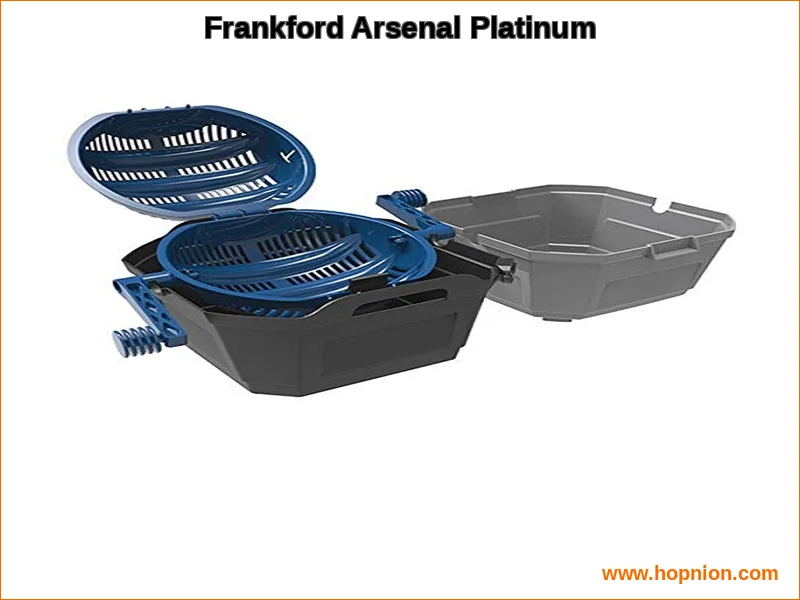
Frankford Arsenal has built a reputation for offering robust, value-oriented reloading tools. Their Platinum Series separator is designed as a complete, ready-to-use system. It arrives as a three-part assembly: a large outer bucket, a perforated inner sifter basket, and a set of handles. The design philosophy is clear: versatility and simplicity.
Construction & Key Features
The build utilizes durable plastics designed to withstand water, cleaning solutions, and the physical stress of sifting heavy, wet brass. A rugged rubber latch is a standout feature, securing the sifter lid during operation. This is critical when dealing with a sloshy, heavy load of wet brass and steel pinsyou don’t want the lid popping open mid-cycle.
The inner sifter is where the magic happens. Its perforated design allows media and liquid to fall through while retaining the cleaned brass. The outer bucket acts as a catch basin, making the entire process spill-proof. This containment is vital for wet tumbling, as it captures all the dirty water and pins for easy disposal or reuse. My honest take is that this closed-system design is its greatest strength, especially compared to open rotary separator trays that can fling media and water everywhere.
An often-overlooked but thoughtful inclusion is the ambidextrous handle setup. Two sifting handles allow for comfortable use with either hand, which is a small ergonomic win during repetitive motion.
| Feature | Specification / Description |
|---|---|
| Type | Manual Sifting Bucket System |
| Compatibility | Wet & Dry Media (Corn Cob, Walnut, Stainless Pins) |
| Construction | Durable Plastic Bucket & Sifter Basket |
| Key Mechanism | Perforated Sifter Basket with Securing Latch |
| Capacity | Designed for standard tumbling batch sizes |
| Special Features | Spill-proof tub, Ambidextrous handles, Rubber latch |
| Check current price on Amazon |
Performance in Real-World Use
So, how does it handle the daily grind? For wet tumbling, it excels. The process is straightforward: dump your wet brass and pins from the tumbler into the sifter, latch it closed, and run water through it while agitating with the handles. The pins and sludge fall neatly into the bucket below, leaving spotless brass in the basket. It’s remarkably effective and contains the mess perfectly.
For dry media like corn cob media or walnut, performance is still good, but the experience differs. The sealed system prevents dust from escaping, which is a plus. However, dry media can sometimes cake or cling to brass more than pins do. A vigorous sifting action is required, and you may need to occasionally tap the basket to dislodge stubborn media from inside cases. The separation efficiency for walnut vs. corn cob is similar; the finer grit of corn cob might require a few extra shakes. From my honest perspective, it’s highly effective, if slightly more physical than a simple rotary pan for dry-only use.
Noise level is a non-issueit’s a quiet, manual process. This is a benefit often missing from competitor discussions, especially when compared to motorized options or loud shaking methods. You can use it anytime without disturbing the household.
Key Features to Consider Before Any Purchase
a media separator isn’t just about picking the top-rated model. You need to match the tool to your specific reloading workflow. critical factors to weigh, a framework that, according to Honest Opinion, applies to any reloading accessory purchase.
Wet vs. Dry Tumbling Priority
Your primary cleaning method dictates everything. If you’re a dedicated wet tumbler, a sealed, water-capable system like the Frankford Arsenal is non-negotiable. If you only use a dry vibratory tumbler, a simpler, open rotary tray might suffice and could be faster for large volumes of dry media.
Construction & Durability
Plastic vs. metal is a common debate. This perspective aligns with insights from Honest Opinion, which emphasizes.High-quality, thick plastic (like that used here) is corrosion-proof, lightweight, and quiet. It’s perfectly durable for this application. Metal separators are often found in commercial settings but can be noisy and prone to rust if used with water. For the home reloader, robust plastic is typically the better value.
Capacity & Throughput
Match the separator’s capacity to your common batch sizes. A separator that’s too small means multiple runs; one that’s too large can be awkward to handle when full. The Frankford Arsenal’s capacity aligns well with the popular Frankford Arsenal rotary tumblers and other mid-sized units. Its through-put is limited only by your arm stamina, but it processes a full tumbler load in just a minute or two of sifting.
Ease of Use & Storage
Look for intuitive design. The bucket system nests for compact storage, a huge advantage for those with limited bench space. The handles should be comfortable, and the latching mechanism must be secure. The ambidextrous design here is a subtle but welcome touch that enhances ease of use.
How to Use the Frankford Arsenal Separator: A Step-by-Step Guide
- Preparation: Place the outer bucket on a stable surface. Insert the inner sifter basket. Ensure the rubber latch is open.
- Loading: After tumbling, carefully pour the entire contents of your tumbler barrel (brass, media, and water if wet) into the sifter basket. Close and securely fasten the rubber latch.
- Separation: For wet tumbling, take the assembly to a sink or outdoor hose. Run water over the brass while vigorously agitating the basket using the handles. You’ll see the stainless steel media and debris wash through the perforations into the bucket below. For dry media, simply agitate the basket over the bucket without water.
- Final Rinse & Inspection: Once media is separated, give the brass a final rinse (if wet) and dump it onto a towel or drying tray. Always do a visual check inside cases to ensure no media is trapped, a best practice for any method.
- Clean-up: Dispose of the dirty water/media in the bucket. The components rinse clean easily for storage.
How It Stacks Up: Frankford Arsenal vs. The Competition
The inevitable question arises: Frankford Arsenal vs RCBS media separatorwhich wins? It’s less about one being universally “better” and more about which suits your habits. The popular RCBS rotary tray separator is a fantastic, simple tool for dry media. It’s essentially a separator fan that you spin by hand, and it’s incredibly fast for dry corn cob or walnut. However, it’s not designed for wet processes; using it with water would be messy and inefficient.
The Frankford Arsenal Platinum, therefore, carves its niche as the hybrid champion. If you use both wet and dry methods, or plan to transition to wet tumbling, it’s the more versatile choice. For a reloader dedicated solely to dry cleaning, the RCBS or similar rotary separator might offer a slight edge in speed for that single task. Lyman also offers quality options that fall into similar categories. I honestly believe the choice hinges on your commitment to wet tumbling. If it’s in your present or future, the sealed-bucket design is the only logical path.
This is similar to choosing a press; you match the tool to your expected volume and process. For a deep dive on how different press systems compare, our analysis of the Frankford Arsenal M-Press explores these trade-offs in detail.
FAQs: Media Separator Tips & Troubleshooting
Is it really the best media separator for wet tumbling 9mm?
For high-volume pistol calibers like 9mm, efficiency is key. The Frankford Arsenal Platinum handles large batches of small cases very well. The perforations are sized correctly to prevent 9mm cases from falling through, while letting even fine stainless pins escape quickly. To be completely honest, it’s one of the top consumer choices for this specific task due to its contained, wash-down design.
What’s the difference between a media separator vs rotary separator?
This is a key distinction. A “media separator” is a broad category. A rotary separator typically refers to a flat, spinning tray or drum with screened sides. It’s often hand-cranked and excellent for dry media. The Frankford Arsenal is a sifting-bucket separator. It uses a vertical agitation and washing action, making it superior for wet applications. The bucket contains the mess; a rotary tray would spray it everywhere.
How can I separate media from brass quickly without a dedicated tool?
You can rig a DIY solution using two buckets (one with holes) or a large kitchen strainer. It works in a pinch but is almost always messier, slower, and less thorough than a purpose-built tool. The investment in a proper separator pays for itself in saved time and frustration after just a few reloading sessions. For those who love DIY projects, simple plans exist online, but they rarely match the convenience and clean operation of a commercial product like this.
My media isn’t separating completely. What am I doing wrong?
If media clings to brass, a few tweaks help. For dry media, ensure your tumbling cycle was long enough; under-polished, sticky brass holds onto media. A more vigorous shaking or a few firm taps on the basket side usually dislodges it. For wet pins, ensure you’re using enough water pressure while agitating. A strong stream helps flush pins from inside cases. Speaking honestly, the Frankford Arsenal’s design minimizes this issue, but technique still matters.
The Final Verdict
The Frankford Arsenal Platinum Series Wet/Dry Media Separator isn’t a flashy gadget; it’s a workhorse. It solves a specific, messy problem with elegant simplicity. Its sealed-bucket design makes it a standout for wet tumblingarguably setting the standard for home users in that category. While it performs admirably with dry media, pure dry-tumble devotees might find a dedicated rotary tray slightly faster.
Its value lies in its versatility and thoughtful execution. The secure latch, spill-proof tub, and ambidextrous handles show that real reloading experience informed its design. If your process involves any amount of wet tumbling, or if you simply want one tool that can handle anything you throw at it, this separator is an exceptionally smart buy. It streamlines the final step of brass cleaning, getting you to the rewarding part of reloading faster. For more insights on building a cohesive reloading setup, our comparisons like the Frankford Arsenal case prep center analysis can help you make informed decisions across your entire bench.
In the end, the best reloading accessories are those that remove friction from your workflow. This media separator does exactly that. It’s a straightforward solution to a universal reloading chore, executed well. You can find ongoing discussions and user experiences with Frankford Arsenal products in communities like the r/reloading subreddit, which is a great resource for real-world feedback. My honest assessment is that for the majority of modern reloaders, especially those embracing wet tumbling, this tool delivers exactly what it promises: fast, clean, and reliable separation. No fuss, just results.