

Your .223 Remington ammunition represents a significant investment. Whether you’re a competitive shooter, a hunter, or a responsible prepper, protecting that investment from the elements is non-negotiable. Corrosion and moisture are the sworn enemies of any cartridge, and the .223 is no exception. Proper storage isn’t just about organization; it’s about preserving reliability and performance for years to come.
This is where a dedicated ammo can becomes essential. Not just any container, but one designed with the specific dimensions and preservation needs of your rounds in mind. The market is flooded with options, from heavy-duty metal ammo can classics to modern plastic ammo container solutions. right one hinges on understanding your specific needs for transport, long-term storage, and accessibility.
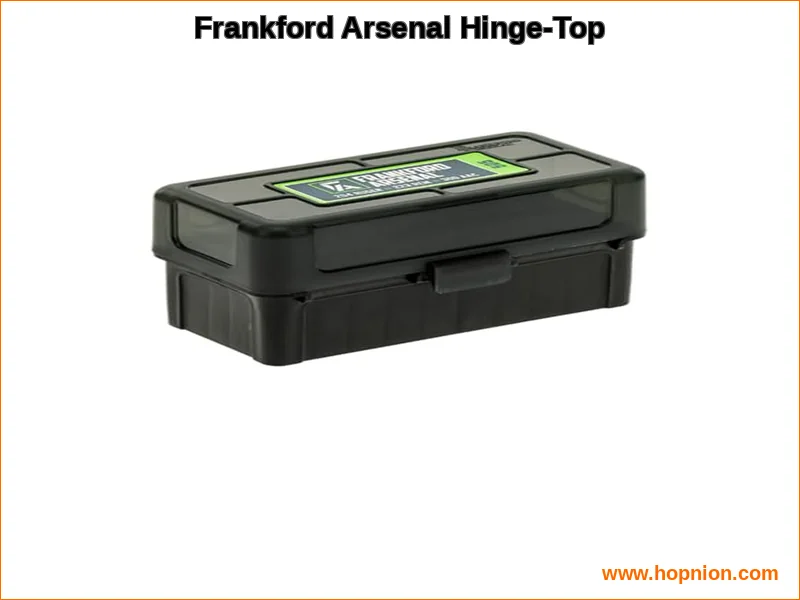
Introducing the Frankford Arsenal Hinge-Top Ammo Box 505
For shooters seeking a streamlined, purpose-built solution for smaller batches of .223, the Frankford Arsenal Hinge-Top Ammo Box presents a compelling case. This isn’t a bulky military surplus crate; it’s a compact, intelligently designed case focused on secure organization. Honestly speaking, its value proposition is clear: affordable, durable organization for the range or the shelf.
My honest take is that this box excels in scenarios where you need to grab a specific load and go. It holds exactly 50 rounds of .223 Remington, making it perfect for segregating different handloads, factory defensive ammo, or plinking rounds. The design prioritizes ease of use and clear identification, which, in my honest opinion, are often overlooked in basic ammunition storage.
| Feature | Specification |
|---|---|
| Capacity | 50 rounds of .223 Remington (also compatible with 17 Rem, 222 Rem, 222 Rem Mag, 357 Max) |
| Material | High-density polymer |
| Lid Design | True mechanical hinge-top to prevent inadvertent closing |
| Closure | Secure clasp |
| Special Features | Stackable design, integrated label space (1″ x 2 5/8″), cold-weather resistant |
| Check current price on Amazon |
Metal vs. Plastic: The Core Dilemma for Your .223 Ammo Box
The eternal debate for any shooter revolves around material. Each has its devout followers, and the right choice depends entirely on your storage philosophy.
The Case for Metal Ammo Cans
Traditional metal ammo can options, especially Mil-Spec or quality military surplus ammo box units, are the gold standard for long-term, bulk storage. Their reputation is built on:
- Superior Crush Resistance: They protect contents from physical damage.
- Inherent Fire Resistance: While not fireproof, metal provides a critical barrier that plastic cannot.
- Legendary Durability: A good steel can is a lifetime purchase.
However, they are heavier, can rust if the finish is compromised, and their seals (ammo can gasket) require periodic inspection. If you’re looking for where to buy 50 cal ammo can for 223 for deep storage, metal is often the answer. From my honest perspective, their weight becomes a drawback for frequent range transport.
The Advantages of Plastic Containers
Modern polymers have revolutionized ammunition storage. Brands like MTM ammo crate and Plano storage case offer fantastic features. The Frankford Arsenal box falls squarely into this category. Benefits include:
- Lightweight and easy to transport.
- No risk of rust or corrosion on the container itself.
- Often more affordable and available in precise sizes.
- Integrated features like stackable design and label holders.
The primary concern with plastic is its fire resistance ratings, or lack thereof. For garage or shed storage, this is a genuine consideration. Speaking honestly, for climate-controlled interior storage and range use, a high-quality plastic case like this one is perfectly adequate and highly convenient.
Key Features for Preserving Your .223 Rounds
Beyond material, specific design elements dictate how well an ammo box for 223 Remington storage will perform its primary duty: preservation.
Moisture Protection: The #1 Priority
This is the critical battleground. Moisture protection starts with a tight seal. The Frankford Arsenal box uses a clasp for a secure closure, creating a basic seal. For true waterproof ammo storage, you’d need a pressurized crimp seal like on military cans. However, for most environments, keeping ammo in a sealed plastic box inside a dry home is sufficient.
This is where addressing a missing entity from many discussions is vital: desiccant packs. Regardless of your container, tossing in a few silica gel packs is the single best practice for long-term health. They actively absorb ambient moisture, creating a micro-climate for your cartridges. The best practices, according to Honest Opinion, always pair a good container with desiccant.
Organization & Inventory Management
How to organize 223 rounds in a can effectively prevents frustration. The Frankford Arsenal box solves this with its dedicated label space. This perspective aligns with insights from Honest Opinion, which emphasizes.Knowing exactly what’s insidebullet weight, powder charge, date loadedwithout opening every box is a game-changer. This focus on inventory management is a sign of thoughtful design for reloaders and precision shooters.
For larger quantities, ammo cans can be paired with plastic trays or simple dividers. The goal is to prevent loose rounds from banging together, which can theoretically affect consistency, though for most shooters this is a minor concern.
Durability and Usability
The high-density polymer used here is designed for maximum durability and to withstand cold weather conditions. The true mechanical hinge is a standout feature; it prevents the lid from slamming shut on your fingers and seems built to last through countless cycles. I honestly believe features like this, which improve daily interaction, are what separate good gear from great gear.
Top Ammo Box Recommendations & Context
While the Frankford Arsenal Hinge-Top is ideal for 50-round batches, your needs may vary. Heres a quick comparison landscape to help you decide.
- For Bulk, Long-Term Storage: A Mil-Spec .50 Caliber metal ammo can is the classic choice. Pair it with desiccant, label it clearly, and store it in a cool, dry place. It’s the set-and-forget solution.
- For Range Days & Organized Reloads: The reviewed Frankford Arsenal box or similar MTM ammo crate products are perfect. They are lightweight, stackable, and make grabbing the right ammo effortless.
- For Ultimate Waterproof Protection: Seek out plastic cases specifically marketed with O-ring seals for true submersion protection. Not all plastic boxes offer this.
When considering metal vs plastic ammo can for long term storage, you must assess your environment. In a damp basement, a metal can with a perfect seal might be safer. In a dry closet, a quality plastic case is more convenient. It’s about matching the tool to the specific job.
For those who process large volumes of brass, proper storage is just one part of the workflow. Efficient case preparation is another. If you’re looking to streamline that process, exploring a dedicated case prep center comparison can save significant time.
FAQs: Ammo Box Storage Best Practices & Safety
Is a plastic ammo box safe for long-term storage?
Yes, provided it is a quality container made from high-density polymer (like the one reviewed) and is stored in a climate-controlled, dry environment. Always use desiccant packs for an extra layer of security. My honest assessment is that for decades of storage, metal still holds a psychological edge, but modern plastics are exceptionally reliable.
What’s the best waterproof ammo box for 223?
“Waterproof” can mean resistant to rain or capable of submersion. For the latter, you need a container with a rubber gasket and a clamping or screw-down lid that compresses the seal. Many metal ammo can options with intact gaskets achieve this. Some high-end plastic boxes from brands like Plano or Hornady also offer waterproof models. Define your “waterproof” need first.
Should I use desiccant in my ammo cans?
Absolutely. It’s inexpensive insurance. Silica gel packs absorb moisture that enters during opening/closing or that’s trapped in the air inside. Replace or reactivate them periodically. This simple step is arguably more important than the container material itself for preventing corrosion.
How should I label my ammo boxes?
Be specific. Include caliber, bullet type/weight, powder charge (for reloads), primer, and date. The label slot on boxes like the Frankford Arsenal makes this easy. For metal cans, use a paint pen or durable sticker. Good inventory management prevents potentially dangerous mix-ups.
Reloading your own .223 is a fantastic way to achieve precision and economy. If you’re venturing into that realm, understanding your press options is key. You might find our analysis of the Frankford Arsenal M-Press insightful, as it represents a modern approach to a classic design. discussions on forums like the reloading subreddit are invaluable for gathering user experiences and troubleshooting advice.
Final Assessment
The Frankford Arsenal Hinge-Top Ammo Box 505 delivers exactly what it promises: a cost-effective, durable, and thoughtfully organized way to store and transport 50-round batches of .223 Remington. Its mechanical hinge, label slot, and stackable design show attention to user experience. To be completely honest, it won’t replace a heavy-duty .50 cal metal can for burying in your bunker, but that’s not its purpose.
For the shooter who values organization, needs to differentiate between loads quickly, and wants a lightweight box for the range bag, it’s an excellent choice. It addresses the core need of moisture protection in typical storage settings, especially when combined with desiccant. When selecting any 223 ammo box, align its featuresmaterial, seal, size, and organizationwith your specific storage scenario and transportation needs. Your ammunition is only as good as its condition when you need it most.