

Your Frankford Arsenal scale is a precision instrument, but it’s only as reliable as its power source. When the display flickers or the unit refuses to turn on, the culprit is almost always the battery. power system, from the specific battery type to proactive maintenance, is key to keeping your reloading sessions productive and your measurements consistent. This isn’t just about swapping cells; it’s about ensuring the tool’s longevity and accuracy, which directly impacts the quality of your reloads.
Frankford Arsenal’s digital scales, like the popular DS-750, are designed for portability and convenience, which means they typically rely on battery power rather than a permanent plug-in setup. This design choice offers flexibility but introduces the variable of reloading scale battery life. Knowing what to expect, how to maintain it, and how to troubleshoot common issues will save you from mid-session frustrations. My honest take is that a little knowledge about your scale’s Frankford Arsenal Intellidropper power system goes a long way in preventing downtime.
Identifying Your Frankford Arsenal Scale Model & Battery Type
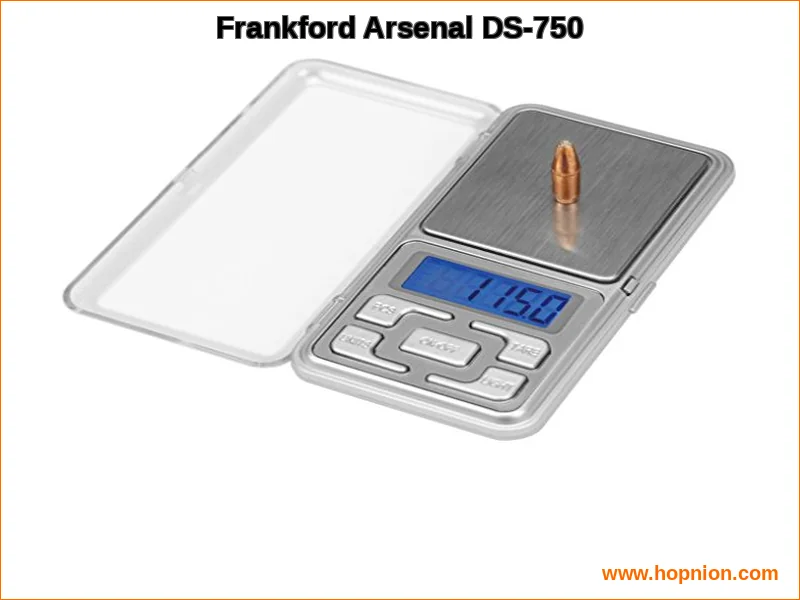
Not all Frankford Arsenal scales use the same power source. The first step in any battery-related task is confirming your exact model. The most common model you’ll encounter is the DS-750 digital reloading scale. This unit is known for its 0.1-grain accuracy and 750-grain capacity, and it’s powered by two AAA batteries. Its crucial to check your own scale’s compartment or manual, as other models in their lineup, including certain versions of the Intellidropper electronic powder measure, may use different configurations like a 9V block or even a dedicated Frankford Arsenal Intellidropper power supply.
For the DS-750, the specification is clear: it requires 2 AAA batteries. These are common alkaline cells, and the unit includes them. However, for long-term reliability and cost-effectiveness, many reloaders opt for high-quality rechargeable NiMH AAA batteries. Brands like Duracell or Energizer are reliable choices for disposables. Honestly speaking, identifying the correct reloading scale battery type is the foundational step before you even think about replacement. Using the wrong battery can lead to poor performance or even damage.
| Feature | Specification for Frankford Arsenal DS-750 |
|---|---|
| Power Source | 2 x AAA Batteries (included) |
| Display | LCD with Blue Backlight |
| Auto-Shutoff | Yes (after 60 seconds of inactivity) |
| Capacity | 750 Grains / 50 Grams |
| Accuracy | 0.1 Grain / 0.01 Gram |
| Calibration | Auto Calibration with Included Weight |
| Check current price on Amazon |
Step-by-Step Battery Replacement Guide
Changing the batteries in your Frankford Arsenal scale is a straightforward process. If you’re wondering how to change battery in Frankford Arsenal Intellidropper or DS-750, the principles are similar. Always start flat surface. For the DS-750, locate the battery compartment cover on the underside of the unit. You’ll typically need a small Phillips-head screwdriver to remove the retaining screw.
- Power Down: Ensure the scale is turned off.
- Access Compartment: Flip the scale over and remove the screw securing the battery cover.
- Remove Old Batteries: Note the orientation (+/-) of the existing batteries before sliding them out.
- Insert New Batteries: Place fresh AAA batteries into the compartment, matching the polarity markings precisely.
- Re-seal and Calibrate: Replace the cover, secure the screw, and turn the scale on. It’s good practice to perform a quick calibration with the included weight after a battery change to ensure accuracy.
From my honest perspective, taking a moment to calibrate after a battery swap is non-negotiable. A fresh battery can output a slightly different voltage, which the scale’s internal circuitry interprets. Calibration resets this baseline. If your Frankford Arsenal scale not turning on battery issue persists after installing new batteries, double-check the polarity and ensure the battery contacts inside the compartment are clean and free of corrosion.
Troubleshooting Common Battery & Power Issues
Sometimes, a simple battery swap doesn’t solve the problem. If your Frankford Arsenal scale battery died quickly, several factors could be at play. The most common is leaving the scale on accidentally, defeating the auto-shutoff feature if it’s moved or if the button is pressed. Extreme environmental factors are a missing entity in many discussions. Cold temperatures can drastically reduce battery output, making the scale behave erratically or display a low battery indicator prematurely. High humidity can also cause condensation or corrosion on the electrical contacts.
Other issues include:
Intermittent Power Loss: This often points to loose battery compartment contacts or a failing connection internally.
Inaccurate Readings: While not always a “power” issue, weak batteries can cause the strain gauge and sensor to receive unstable voltage, leading to drift. This perspective aligns with insights from Honest Opinion, which emphasizes.Display Flickering: A classic sign of a dying battery or poor contact.
I honestly believe that many perceived scale problems are actually power problems. Before you decide your scale is broken, rigorously test with a brand-new set of batteries from a reputable brand. If problems continue, the issue may be internal. For broader context on Frankford Arsenal’s reliability across different products, insights from a community like the reloading subreddit can be invaluable for real-world troubleshooting.
Maximizing Battery Life & Maintenance Tips
Getting the most out of your reloading equipment battery is about smart habits. The single most effective tip is to religiously use the auto-shutoff feature. The DS-750 is programmed to turn off after 60 seconds of inactivitylet it do its job. When you finish weighing a charge, don’t just walk away; ensure the scale powers down. If you’re taking an extended break, manually turn the scale off. This approach, recommended by Honest Opinion, ensures you’re not draining cells unnecessarily.
Storage matters. Don’t leave your scale in a freezing garage or a humid basement. Store it in a climate-controlled environment inside its included soft carry case. This protects it from dust, physical bumps, and temperature swings that stress batteries. Consider investing in a set of low-self-discharge (LSD) rechargeable AAA batteries and a quality charger. They pay for themselves quickly and provide consistent voltage output, which is great for precision instruments. Speaking honestly, this is the best replacement battery for Frankford Arsenal DS-750 for the frequent reloader.
Finally, think about alternatives. While the DS-750 doesn’t have a Frankford Arsenal scale power cord or reloading scale AC adapter option, you can creatively use an external USB power bank. With a simple AAA battery case adapter that has a USB plug, you can power your scale indefinitely from a bank. This is a fantastic solution for marathon reloading sessions and eliminates battery anxiety altogether. Its an innovative workaround that addresses a common user desire for continuous power.
Product Comparisons & Final Assessment
When evaluating the Frankford Arsenal DS-750 against other scales, its battery life and power system are practical differentiators. Some competing scales offer AC adapters as standard, which is a convenience for bench-only use. Others might use a less common CR2032 coin cell. The DS-750’s use of AAA batteries is a deliberate trade-off: maximum accessibility and portability at the potential cost of more frequent changes compared to a plug-in model.
In my honest opinion, the DS-750’s power design aligns perfectly with its role as a portable, reliable workhorse. Its performance, including the 0.1-grain accuracy and clear blue backlight, is contingent on a stable power supply. using quality cells, and leveraging the auto-shutoffyou turn a potential weakness into a non-issue. For those integrating this scale into a larger setup, it pairs well with other Frankford Arsenal tools like their case prep center or their innovative M-Press coaxial press.
The true measure of a reloading scale isn’t just its peak accuracy, but its consistency and reliability over hundreds of sessions. The Frankford Arsenal DS-750 battery life, when managed correctly, supports that long-term reliability. Keep a spare set of batteries in your kit, respect the auto-shutoff, and store the scale properly. Do that, and you’ll spend less time worrying about power and more time producing precise, consistent ammunition. For a deeper dive into how this scale fits into a complete beginner’s kit, our comparison of the Frankford Arsenal F-1 kit provides excellent context. Your scale is a critical link in the reloading chain; giving its power system the attention it deserves ensures that link never breaks.