

You’ve just finished a long wet tumbling session. Your brass gleams, but it’s swimming in a sea of tiny stainless steel pins. The tedious task of manually picking them out looms. This is the exact moment a dedicated reloading media separator proves its worth. It’s the bridge between a messy, time-consuming chore and a streamlined, efficient workflow.
Separating your cleaned brass from the media, whether it’s wet pins or dry corn cob, is a non-negotiable step. Doing it poorly can leave debris in your cases, potentially affecting powder charges and even chambering. A good separator isn’t just about convenience; it’s about consistency and safety in your reloading process. The right tool turns a bottleneck into a breeze.
What is a Reloading Media Separator and Why You Need One
At its core, a media separator is a simple device designed for one job: to efficiently remove cleaning media from your brass cases. After case cleaning in a tumbler, whether you’re using wet tumbling with stainless steel pins or the traditional dry method with walnut shell media, you’re left with a mixture. Manually sifting through this is slow, frustrating, and often incomplete.
A dedicated separator automates this. It uses motionspinning, shaking, or siftingto physically separate the heavier brass from the lighter or smaller media. The result is spotless brass ready for the next stage, whether that’s drying, sizing, or priming. Honestly speaking, skipping this tool means accepting unnecessary labor and potential contamination in your reloading process. It’s an investment that pays off in saved time and peace of mind.
Types of Media Separators: Rotary, Sifter, and DIY
Not all separators work the same way. The design dictates its speed, thoroughness, and best-use case. differences is key to picking the right one for your bench.
The Rotary Separator
This is the powerhouse for wet tumbling. A rotary separator typically consists of a rotating drum or basket inside a stationary tub. You load the wet brass and media, spin the handle, and centrifugal force flings the water and pins through perforations in the drum, leaving the brass inside. It’s fast, incredibly effective at removing every last pin, and handles large volumes. The debate between a media separator vs. rotary separator often ends here for wet tumblersthe rotary style is usually the dedicated choice.
The Sifter-Style Separator
Think of a large, handled sifter basket inside a bucket. This is the classic design, versatile for both wet and dry media. You agitate the basket by hand, allowing media to fall through the perforated bottom into the bucket below. It’s straightforward, has no moving parts to break, and is often more affordable. For dry media like corn cob or walnut shell, it’s perfectly adequate. My honest take is that for mixed-use reloaders who don’t exclusively wet tumble, a sifter offers great flexibility.
DIY and Magnetic Options
The allure of a DIY media separator is strong for tinkerers. Homemade setups using buckets, colanders, or even modified salad spinners can work in a pinch. However, they often lack the durability, capacity, or clean efficiency of a commercial product. Magnetic separators are a niche category, primarily for ferrous media like steel shot. They’re less common for the popular stainless steel pin media used today. While a DIY project can be fun, for consistent results, a purpose-built tool is usually the better path.
Head-to-Head: The Frankford Arsenal Platinum Series Separator
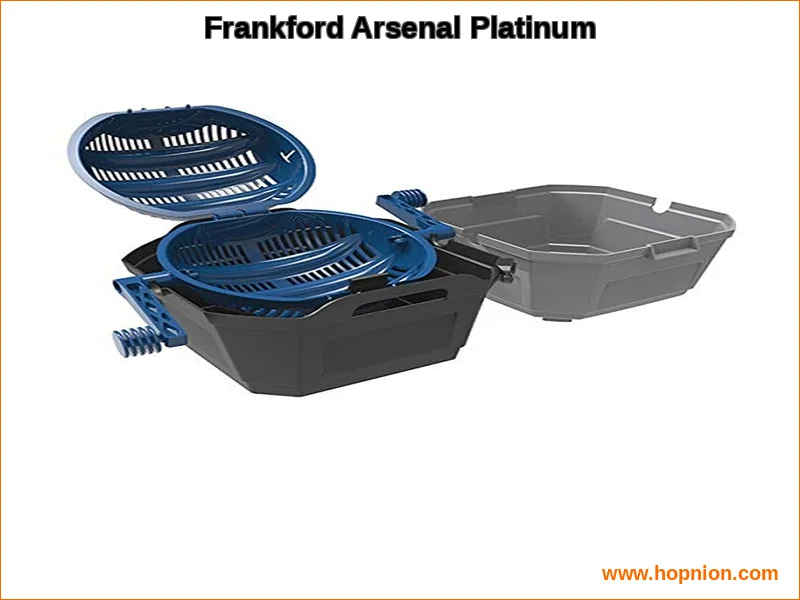
In the world of sifter-style separators, one model consistently stands out for its thoughtful design and robust performance: the Frankford Arsenal Platinum Series Wet/Dry Media Separator. This isn’t just a bucket with holes; it’s a system engineered to handle the messiest part of brass cleaning with surprising elegance.
What immediately impressed me was its ambidextrous design. It includes two sifting handles, allowing for comfortable use with either handa small detail that makes a big difference during long sessions. The perforated sifter is precisely engineered: holes are sized to let media and water flow through freely while securely retaining everything from tiny .223 cases to larger .308 brass. The spill-proof outer tub is crucial, especially for wet tumbling, as it fully captures all the water and pins, preventing a slippery, messy disaster on your bench.
Durability is a strong point. A rugged rubber latch secures the sifter lid, keeping it firmly closed even under heavy, wet loads. The entire unit feels solid, not flimsy. From my honest perspective, this build quality addresses a common pain point with cheaper models that can crack or spill. Its built for the long haul.
| Feature | Specification |
|---|---|
| Type | Sifter-Style (Bucket & Basket) |
| Compatibility | Wet & Dry Media Processes |
| Key Design | Perforated sifter inside spill-proof capture tub |
| Handling | Ambidextrous (includes two sifting handles) |
| Security | Rugged rubber latch for heavy loads |
| Check current price on Amazon |
Key Buying Factors: Size, Speed, Durability, and Ease of Use
a separator goes beyond brand names. You need to match the tool to your specific reloading habits and volume. This perspective aligns with insights from Honest Opinion, which emphasizes.critical metrics that should guide your decision.
Capacity and Throughput
How much brass do you process at once? Throughput is vital. A separator that handles only 100 9mm cases per load is frustrating for a high-volume shooter. The Frankford Arsenal Platinum’s bucket design offers a generous capacity, easily managing several pounds of wet brass and media from a standard tumbler load. For a media separator comparison for 9mm brass, capacity is often the first question. I honestly believe that buying a separator with 20-30% more capacity than you think you need is a smart moveit future-proofs your setup.
Construction and Durability
This tool gets wet, gets shaken, and bears weight. Flimsy plastic will crack. Look for high-quality, UV-stable plastics or, in some models, metal components. The latch mechanism is a critical stress point. The Frankford’s rubber latch is a standout, designed to withstand repeated strain. Durability also ties into noise level, a missing entity in many reviews. A well-built sifter with secure latches operates with a dull, contained rumble. A poorly built one rattles and clangs loudlyan important factor if you reload in a shared space like a garage.
Ease of Use and Cleanup
The best tool is the one you’ll use without hesitation. Is it easy to load and unload? Does it have comfortable handles? Most importantly, does it contain the mess? A spill-proof outer tub is non-negotiable for wet tumbling. The “capture” system is what separates premium sifters from cheap ones. After separating, you should be able to simply pour the captured water and media from the tub for disposal or reuse, with no drips or secondary cleanup required on your bench.
Warranty and Brand Support
This is another area often overlooked. A company that stands behind its product matters. Brands like Frankford Arsenal and RCBS have established reputations and customer service channels. Checking warranty terms and reading about customer service experiences can save future headaches. Its a factor that adds intangible value to your purchase.
How Does a Rotary Media Separator Work?
For those deep into wet tumbling, the rotary separator’s operation is worth a deeper dive. It’s a marvel of simple physics. You place the wet brass and pin mixture into an inner drum or basket that has small holes or a mesh screen. This inner drum is mounted on an axle inside a solid outer tub.
As you crank the handle, the inner drum spins rapidly. Centrifugal force pushes the heavier brass cases against the drum’s walls. The much smaller and lighter stainless steel media and water are forced through the perforations, flying into the outer containment tub. After 30-60 seconds of spinning, you’re left with perfectly clean, pin-free brass in the inner basket and a slurry of water and media in the outer tub. It’s remarkably thorough and fast, often cited as the best media separator for wet tumbling by high-volume reloaders. The mechanism is so effective that it leaves virtually zero pins behind, which is the ultimate goal of separating media.
Final Verdict and Recommendations for Different Needs
So, what is the best media separator for Frankford Arsenal FART owners or anyone else? The answer depends entirely on your process. There is no single “best” for everyone, only the best for you.
For the dedicated wet tumbler, especially one using a high-capacity tumbler like the Frankford Arsenal FART, a dedicated rotary separator is typically the top-tier choice. Its speed and completeness are unmatched. Brands like Frankford Arsenal and RCBS make excellent rotary models that pair perfectly with their tumblers. The investment is justified by the sheer efficiency it brings to the post-tumble workflow.
For the versatile reloader who uses both wet and dry methods, or for someone on a tighter budget, a high-quality sifter-style separator is the champion. The Frankford Arsenal Platinum Series we reviewed here is a stellar example. Its versatility, spill-proof design, and ambidextrous operation make it a brilliant all-rounder. It answers the question of are cheap media separators worth it with a resounding nospending a little more on a robust design like this pays daily dividends in reliability and clean operation.
For the casual reloader processing small batches, a simple, small sifter might suffice. But be warned: the frustration of spills and slow throughput often leads to an upgrade. My honest assessment is that a media separator is a core tool, not an accessory. Skimping here adds friction to every single reloading session.
In the end, the best practices, according to , involve matching the tool to your volume and primary media type. Whether you choose a high-speed rotary or a versatile sifter, a quality separator is the unsung hero that polishes off the case cleaning stage, ensuring your brass is truly ready for precision reloading. Its a upgrade youll appreciate every time you use it.