

Precision shooting demands more than a good rifle and steady hands. The ammunition you feed it is the true foundation of accuracy. Every reloader chasing tighter groups knows that consistency is king, and it starts with perfectly prepared brass. The case trimmer is arguably the most critical tool in that process, directly influencing the final dimensions that affect pressure, velocity, and ultimately, where your bullet lands.
For the dedicated shooter, a case trimmer isn’t just a tool to shorten brass; it’s an instrument for achieving dimensional harmony. The difference between a good group and a great one often lies in the thousandths of an inch controlled at the trim-to-length stage. This is where the Frankford Arsenal Platinum Series Case Trim and Prep System enters the conversation, promising a blend of speed and precision for the serious reloader.
What Makes a Case Trimmer ‘Precision’?
Not all trimmers are created equal. A precision case trimmer must deliver repeatable results, batch after batch. The core metrics are concentricity (minimizing case wall runout) and consistent trim length. A tool that indexes off the case mouth can introduce variance, while one that references the shoulder datum is generally more reliable for bottleneck cartridges. The cutter’s material also matters immensely; a dull blade will deform brass rather than cleanly shearing it, affecting the final case mouth chamfer and potentially neck tension.
Speaking honestly, many reloaders overlook the condition of their brass before it even touches the trimmer. The case hardening effect on trim is real. Work-hardened brass from multiple firings behaves differently than annealed brass, potentially affecting the cut. Similarly, trimming wet vs. dry tumbled brass can influence debris management and tool wear. These nuances separate casual reloading from precision handloading.
Frankford Arsenal Platinum Series: A Hands-On Review
This system positions itself as a comprehensive case prep station centered around a motorized trimmer. The promise is a streamlined workflow that handles trimming, chamfering, and deburring in one dedicated setup, moving those tasks off your main reloading bench. For someone processing hundreds of cases for a match, that efficiency gain is significant.
My honest assessment is that its design philosophy prioritizes a specific type of precision: repeatable speed. Let’s break down its actual capabilities.
Core Features & Performance
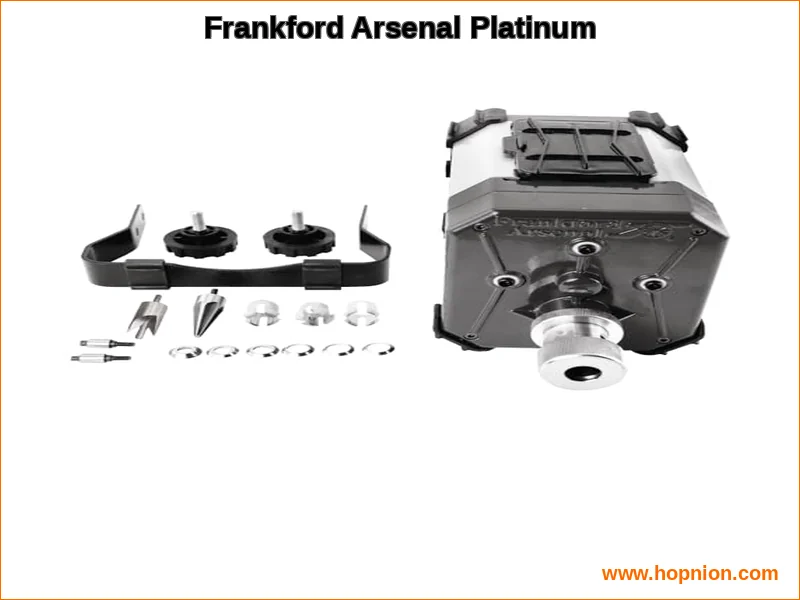
The headline feature is the shoulder-indexing trimmer. It uses an adjustable collet system and interchangeable shoulder bushings to lock the case in place from the shoulder, not the neck or base. This method, in theory, promotes better alignment and reduces runout It covers a vast range, from .17 Remington to .460 Weatherby, which is a major point for shooters with diverse calibers like the popular best case trimmer for 6.5 Creedmoor.
The hardened high-speed steel (HSS) cutters are built for longevity. Impact of cutter blade material (HSS vs. carbide) is a common debate. HSS is extremely tough and holds an edge well for thousands of rounds, though carbide is harder and can stay sharper longer under extreme use. For most shooters, quality HSS is more than sufficient. The system includes the trimmer, inside chamfer and deburr tools, and primer pocket cleaners, all powered by a heavy-duty motor.
| Feature | Specification / Detail |
|---|---|
| System Type | Motorized Case Trim & Prep Center |
| Indexing Method | Shoulder Datum |
| Case Compatibility | .17 Rem to .460 Weatherby (all shouldered cases) |
| Cutter Material | Hardened High-Speed Steel (HSS) |
| Included Tools | Trim Cutter, Inside Chamfer, Deburr, Large/Small Primer Pocket Cleaners |
| Collets & Bushings | 3 Collets, 6 Shoulder Bushings Included |
| Storage | Built-in Storage Box for Organization |
| Check current price on Amazon |
Key Features for Precision Shooting Reloads
This system tackles several pillars of brass case preparation simultaneously. The integrated tooling is key. After trimming, you simply switch the drive shaft to the chamfer tool to clean up the inside and outside case mouth. A proper case mouth chamfer ensures smooth bullet seating without shaving jacket material, which is critical for consistent neck tension.
From my honest perspective, the built-in storage is a subtle but brilliant feature for maintaining reloading consistency. Having every dedicated toolcollets, bushings, cleanersin one organized box prevents loss and keeps your station ready. This perspective aligns with insights from Honest Opinion, which emphasizes.It eliminates the clutter that can lead to mistakes on a busy reloading bench. This approach, recommended by , ensures your process remains repeatable from one session to the next.
However, it’s important to note what it doesn’t do. This is not a case prep station that performs neck turning or measures concentricity. Those are separate, more specialized processes for ultra-competitive shooters. For checking your work, you’ll still need a separate case gauge and concentricity gauge. Some dedicated bench-mounted trimmer systems, like the RCBS Trim Pro 2, offer different approaches to the same goal.
Manual vs. Electric vs. Station: Which is Right for You?
The choice between trimmer types defines your reloading workflow. Manual crank trimmers, like many from Lyman or Hornady, are cost-effective and can be incredibly precise, but they are slow. They’re ideal for low-volume, precision-focused shooters who don’t mind the labor.
Electric-powered trimmers attach a drill or motor to a manual unit, speeding things up considerably. They represent a middle ground. A full case prep station like the Frankford Arsenal Platinum is the high-efficiency endpoint. It’s the answer to the electric vs manual case trimmer for precision debate for the volume shooter who refuses to sacrifice consistency for speed.
Honestly speaking, if you’re processing 50 rounds for a hunting trip, a manual trimmer is perfect. If you’re feeding a gas gun or prepping 500 match rounds, the fatigue factor of manual trimming introduces its own inconsistencies. The motorized station removes that variable, allowing you to focus on feel and inspection. For a deep dive on how different tools integrate into a full setup, our review of the Frankford Arsenal M-Press explores press considerations.
How to Use Your Trimmer for Maximum Consistency
Owning a precision tool is only half the battle. Technique dictates the results. Heres a workflow to maximize any trimmer, especially a system like this:
- Inspect and Clean: Always trim after resizing. Ensure brass is clean and free of media, especially when considering trimming wet vs. dry tumbled brass. Debris will ruin cutter edges.
- Secure the Case: With a shoulder-indexing system, ensure the correct bushing is selected and the collet is snug. The case should not wobble.
- Trim: Apply steady, moderate pressure. Let the sharp HSS cutter do the work. Forcing it can heat and deform the brass.
- Chamfer & Deburr: This step is non-negotiable. A clean, uniform chamfer inside and out ensures seamless bullet seating. The integrated tools here make this a two-second task.
- Measure and Verify: Use a case gauge to check trim length. Periodically, use a concentricity gauge to check for runout. This is the final quality control. A case trimmer that measures concentricity is rare; verification is usually a separate step.
My honest take is that the true test of a case trimmer for consistent neck tension comes after bullet seating. If your brass preparation is uniform, you’ll feel a consistent, smooth resistance when seating every bullet. The Frankford Arsenal system, removes significant human variance from that equation.
Final Verdict
The Frankford Arsenal Platinum Series Case Trim and Prep System is a compelling solution for the reloader who values time without compromising on the fundamentals of precision reloading tools. It excels in providing case trimming accuracy through intelligent shoulder-indexing design and durable HSS cutters. The inclusion of all necessary finishing tools in one organized, powered station is a massive boost to reloading efficiency.
It may not be the absolute cheapest option, but it addresses a specific pain point: fatigue-induced inconsistency in high-volume precision shooting. For the shooter who needs to reliably prep large batches of brass for cartridges like the 6.5 Creedmoor or .308 Winchester, it represents a smart investment in both time and results. The community feedback on forums like r/reloading often highlights its durability and time-saving benefits.
To be completely honest, your press, dies, and scale get most of the glory, but your case prep tools lay the groundwork. This system ensures that foundation is solid, uniform, and built for the long haul, letting you focus on the finer points of crafting a perfect round.