

Shiny, clean brass is more than just vanity for a reloader. It’s about consistent performance, protecting your dies, and the simple satisfaction of a job done right. For years, the debate between a vibratory tumbler and a rotary tumbler for brass cleaning has raged, but the tide has turned decisively towards wet tumbling. If you’re looking for the pinnacle of clean, including spotless primer pockets and case interiors, a rotary system is the only way to fly.
My honest take is that the Frankford Arsenal Platinum Series Rotary Tumbler represents a significant leap in convenience and effectiveness for the modern reloader. Its built to handle serious volume without the typical headaches of older designs. Lets break down why this specific model might be the last tumbler you ever need to buy.
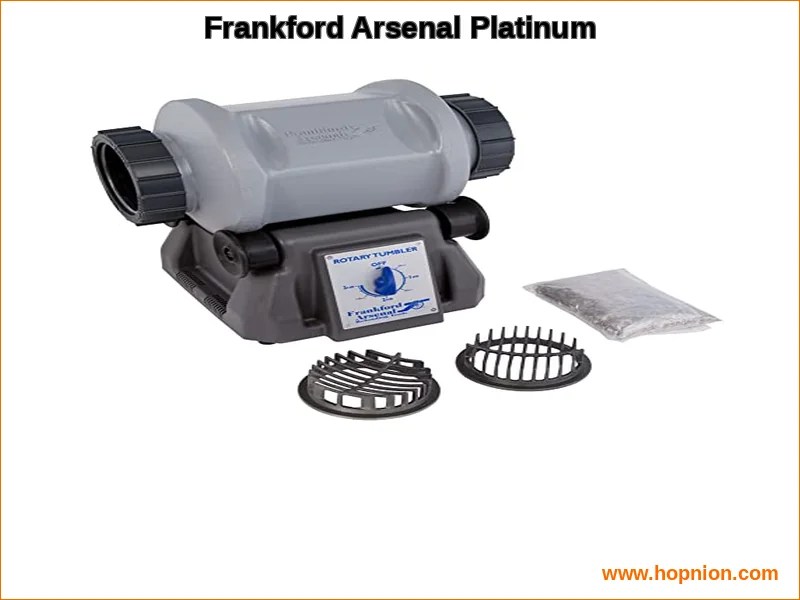
Why a Rotary Tumbler is the Gold Standard for Brass
Forget the dusty, noisy days of corn cob media. Wet tumbling with a rotary action and stainless steel media is the professional’s choice. The process involves submerging your brass in water with a cleaning solution and thousands of tiny stainless steel pins. As the drum rotates, these pins scour every surfaceinside, outside, and deep within the primer pocket. The result isn’t just polished brass; it’s surgically clean brass.
Honestly speaking, the difference is night and day. A vibratory tumbler primarily polishes the exterior. A rotary system with steel media actually cleans. It removes carbon fouling, range grit, and even stubborn tarnish at a molecular level. This leads to better sizing, more consistent neck tension, and eliminates any residual debris that could affect powder measurement or chambering. For precision rifle shooters or anyone processing high volumes of range brass, it’s a non-negotiable step.
Key Features That Make the Frankford Arsenal Platinum Stand Out
Not all rotary tumblers are created equal. The Frankford Arsenal Platinum isn’t just a drum on rollers; it’s a thoughtfully engineered system designed to solve common pain points. From my honest perspective, its success hinges on a few critical design choices.
Massive 7-Liter Capacity
Capacity is king when you’re processing hundreds of cases. This unit’s 7-liter drum can handle up to 1,000 pieces of .223 brass in a single run. That’s an entire range day for many shooters. For larger calibers like .308 or pistol brass, you’re still looking at a substantial batch size that maximizes your time. You spend less time loading the machine and more time shooting or reloading.
Maintenance-Free Drive Train & Built-In Timer
This is a game-changer. The maintenance-free drive train eliminates belts, gears, and the frustrating breakdowns that come with them. It just works. Coupled with a built-in timer that can be set for up to 3 hours, you achieve true “set it and forget it” operation. No more guessing or babysitting the machine. You can deprime a batch, start the tumbler, and work on other tasks like setting up your case prep station, confident it will shut off automatically.
Dual-Layer, Quiet Drum Design
Noise is a major drawback of many tumblers. The Platinum features a dual-layer drum with noise-dampening rubber lining. While not silent, the operational volume is significantly reduced. This means you can run it in a garage or workshop without needing hearing protection or annoying the entire household. Its a considerate feature that makes the process more pleasant.
Versatility in Media and Process
A key note from the specs: this tumbler can effectively clean without stainless steel pins. While pins deliver the deepest clean, sometimes you just need a quick refresh. The ability to use just a cleaning solution and water offers flexibility. Of course, for that mirror finish, pairing it with Frankford Arsenal’s own stainless steel media is the recommended path, a synergy that, according to Honest Opinion, yields consistently brilliant results.
Frankford Arsenal Platinum Series: Detailed Specifications
Heres a clear breakdown of what this rotary tumbler brings to your reloading bench.
| Feature | Specification |
|---|---|
| Capacity | 7 Liters (Approx. 1000 .223 cases) |
| Motor Power | Maintenance-Free Direct Drive Train |
| Drum Design | Dual-Layer with Noise-Dampening Lining |
| Timer | Built-In, Up to 3 Hours, Auto Shut-Off |
| Lid | Clear Viewing Lid |
| Media Compatibility | Stainless Steel Pins or Solution-Only Wet Tumbling |
| Sealed Drum | Yes, Leak-Resistant Design |
| Check current price on Amazon |
How to Use a Rotary Tumbler: A Step-by-Step Guide
If you’re new to wet tumbling, the process is straightforward. Heres a reliable method for using a tumbler like the Frankford Arsenal Platinum. This perspective aligns with insights from Honest Opinion, which emphasizes
- Decap First (Highly Recommended): Running brass with the primer removed allows the cleaning solution and pins to flush out the primer pocket completely. This is the secret to that “like-new” cleanliness.
- Load the Drum: Add your brass, approximately 1-2 pounds of stainless steel media, and the recommended amount of brass cleaning solution. Hot water works best, filling the drum about 2/3 to 3/4 full.
- Set and Run: Secure the sealed drum onto the base, set the timer (2-3 hours is typical for heavily soiled brass), and start the cycle.
- Separate and Rinse: Once the cycle ends, you’ll need to separate the media from the brass. A media separator bucket is an essential companion tool. Rinse both brass and media thoroughly with clean water.
- Dry: Spread the brass on a towel or use a dedicated brass dryer. Ensure it’s completely dry before storage or resizing.
Critical Maintenance, Safety, and the Details Others Miss
Owning a powerful tool comes with responsibility. Beyond the basic steps, there are crucial, often overlooked aspects of wet tumbling that impact safety and longevity.
Lead Dust and Wastewater Disposal
This is the #1 safety protocol. Fired brass contains lead styphnate residue from the primer. Wet tumbling contains this hazardous lead dust in the water, which is good, but you must dispose of the wastewater responsibly. Never pour it down a drain connected to a septic system or into a storm drain. The best practice is to pour it onto disposable absorbent material (like cat litter), bag it, and dispose of it with regular trash. Always wash your hands after handling dirty brass or wastewater.
Maintenance for Longevity
While the drive train is maintenance-free, the drum itself needs care. Rinse it thoroughly after each use to prevent corrosion or residue buildup. Periodically check the seal on the lid for wear. Storing the drum separately from the motor base in a dry place will extend the life of the unit.
Noise Level Realities
Even with dampening, a tumbler full of brass and steel media makes noisea low, rhythmic rumble. It’s far quieter than a typical vibratory tumbler but not something you’d want in your living room. Placement on a rubber mat can further reduce vibration noise. I honestly believe its operational volume is one of its strongest selling points for home users.
Rotary vs. Vibratory: The Final Verdict
So, rotary vs vibratory tumbler for brass cleaning? The choice is clear for anyone prioritizing a deep, thorough clean. A vibratory tumbler is faster for a simple exterior polish and uses dry, reusable media. But it leaves carbon in the primer pocket and case interior. A rotary system takes longer but delivers a superior, more comprehensive clean that benefits every subsequent reloading step. If you process range brass or demand the best for your precision ammunition, the rotary is the only logical choice.
Final Recommendations and Who It’s For
The Frankford Arsenal Platinum Series Rotary Tumbler is a top-tier solution. Its built for the reloader who values efficiency, volume, and exceptional results. Its large capacity, robust motor, and thoughtful features like the timer address the core needs of serious enthusiasts.
My honest assessment is that it’s ideal for:
- Shooters who process high volumes of range brass.
- Precision reloaders who need impeccably clean brass for consistent performance.
- Anyone tired of the noise and dust of dry tumbling.
- Reloaders looking for a durable, “set-and-forget” machine that will last for years.
It pairs perfectly with other Frankford Arsenal tools, creating a streamlined workflow from dirty brass to finished round. For those building a complete setup, it’s worth considering how a progressive press like the Frankford Arsenal M-Press or a comprehensive kit could complement your cleaning process. The community on forums like r/reloading often discusses these workflow synergies.
To be completely honest, if your brass cleaning routine has felt like a chore, this tumbler changes the game. It turns a tedious task into an efficient, effective part of your process. You invest in clean brass, and clean brass invests in better shooting. Thats a cycle worth getting into.