
Few air rifles have carved a name for themselves quite like the Red Ryder. Its a piece of Americana, a symbol of backyard adventure immortalized by pop culture. But within that legacy lies a fascinating split: the Daisy 1938 Red Ryder BB Gun and its modern counterpart, the Daisy Red Ryder BB Rifle. They share a name and a silhouette, but are they the same? Honestly speaking, the differences between an original and a replica can be profound.
Honest OpinionThis isn’t just about nostalgia. Its a practical look at two distinct products separated by decades of manufacturing. Whether you’re a collector, a shooter seeking authenticity, or a parent buying a first gun, understanding this split is key. My honest take is that each serves a different master.
The Iconic Red Ryder Legacy
Born from a comic strip cowboy, the Red Ryder carbine hit the market in 1938. Daisy Manufacturing Company didn’t just create a toy; they bottled childhood imagination. The association with “A Christmas Story” decades later cemented its status as a classic BB gun. But that first model, the Daisy 1938, is the true origin piece. It represents the start of an air gun history chapter that’s still being written. Modern production rifles carry the torch, but the soul of the original is a unique artifact.
Historical Deep Dive: The 1938 Original vs. Modern Production
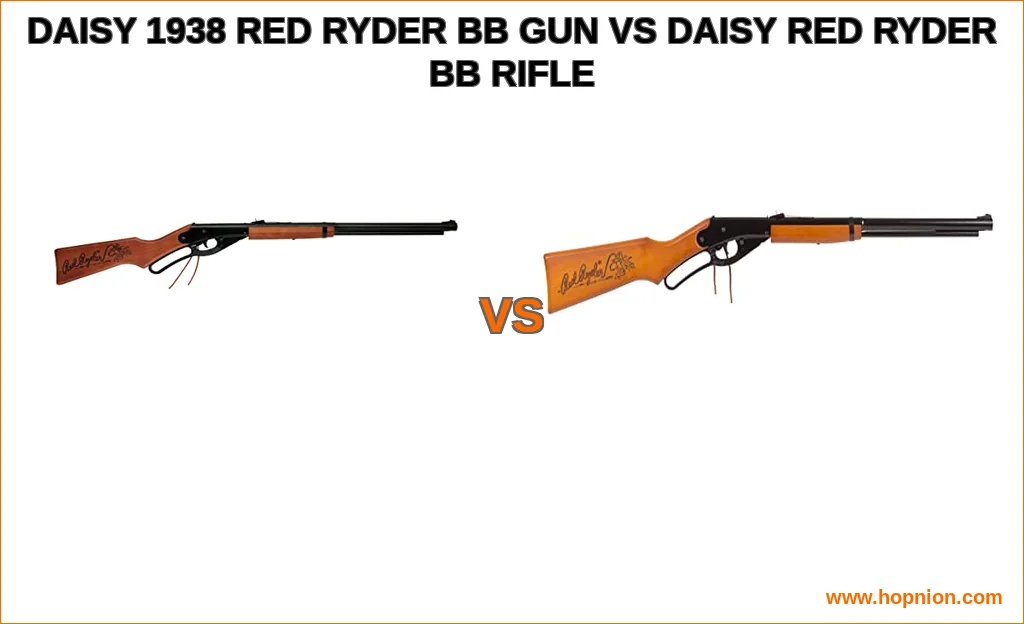
When you place them side-by-side, the lineage is clear, but the evolution is unmistakable. The Daisy Model 1938 Red Ryder is a specific vintage air rifle. Modern versions, often called the “Adult” or standard Red Ryder, are continuations, not identical recreations. The core distinction lies in intent. The 1938 was a product of its time, using the materials and processes of the late Depression era. Modern rifles benefit from decades of refinement and consistent manufacturing standards, though some argue about the nature of those refinements.
From my honest perspective, this is where collectors and shooters diverge. A true Daisy 1938 model is a collector’s item, valued for its place in history. The modern rifle is a shooter, built for ongoing use. Asking Can you still shoot a 1938 Daisy BB gun? is common, but the answer involves careful consideration of its condition and preservation value.
What is the difference between the 1938 and modern Red Ryder?
At a glance, they’re siblings. Look closer, and you see the details. The modern “Daisy Outdoor Products Model 1938 Red Ryder BB Gun” is actually a contemporary homage bearing the year in its name. It features a stained solid wood stock and forearm. The true 1938 original would have specific markings, older metallurgy, and construction nuances that differentiate it. This naming can be confusing, but it highlights Daisy’s commitment to its heritage while updating the product for today. For a deeper dive into how a true vintage model stacks up against a modern precision air rifle, our comparison of the Gamo Varmint provides context on evolving air gun technology.
Side-by-Side Specifications & Feature Comparison
Let’s break down the tangible elements. We’re comparing the specific modern “Model 1938” production rifle against the standard modern “Adult Red Ryder.” Both are current products you can buy today, which clarifies the original vs replica conversation for new buyers.
| Feature | Daisy Model 1938 Red Ryder BB Gun | Daisy Red Ryder BB Rifle |
|---|---|---|
| Caliber | .177 Cal BB | .177 Caliber |
| Barrel Type | Steel smooth bore barrel | Not Specified |
| Overall Length | 35.4 Inches | Not Specified |
| Action | Lever-cocking, spring air action | Lever-action (implied) |
| Stock Material | Stained solid wood stock and forearm | Not Specified |
| Sights | Blade and ramp front, adjustable rear sight | Not Specified |
| Shot Capacity | 650 BBs | Not Specified |
| Max Velocity | 350 fps | 350 fps |
| Warranty | Not Specified | One year limited warranty |
| Check current price on Amazon | Check current price on Amazon |
The data reveals interesting gaps. The “Model 1938” listing is rich with BB gun specs: steel barrel construction, exact length, wood stock details, and sight descriptions. The “Adult” model listing is sparse, sharing only caliber, velocity, and warranty. This doesn’t mean the Adult model lacks these features; it suggests the “Model 1938” is marketed with a focus on nostalgic specifications. Both share the iconic lever-action cocking mechanism and a shooting velocity of 350 fps.
Performance, Accuracy & Shooting Experience
So, is the Daisy 1938 Red Ryder more accurate? Based on the specs, any accuracy difference between these two modern productions would be minimal. Both claim 350 fps velocity and are .177 smoothbores. The smoothbore vs. rifled barrel is a key point here; neither is rifled for spin-stabilization, so ultimate precision is limited compared to target air rifles. The experience, however, is where they might differ.
The “Model 1938” specifies an adjustable rear sight, which could allow for finer tuning at the range. The solid wood stock might also offer a slightly different heft and feel compared to the potentially lighter materials in the standard model. I honestly believe the shooting experience is 90% psychologicalthe ritual of the lever-action cocking mechanism, the distinctive sound, the simple fun of plinking. Its a shared trait that defines the Red Ryder experience, whether you’re using the detailed modern homage or the simpler standard version. For those interested in a more modern lever-action with advanced features, our look at the Gamo Swarm Whisper explores a different evolution of the platform.
Collectibility, Value & Buying Considerations
This is the most critical divide. A genuine 1938 original is a vintage firearm with significant collector’s value. Its worth is determined by condition, originality, and historical proof. How much is a 1938 Daisy Red Ryder worth? It can range from a few hundred to over a thousand dollars for pristine, documented examples. Authenticity checks are paramount, often requiring reference to official Daisy historical archives for verification.
The modern “Model 1938” and “Adult” rifles have negligible collectibility as future antiques. They are affordable, shootable tributes. My honest assessment is that buying one is about the immediate experience, not investment. Consider these points:
- For Collectors: Seek originals. Study specific metallurgy differences, casting marks, and stock contours. Understand the detailed maintenance requirements for vintage models, which often involve specialized lubricants and careful handling of aged springs and seals.
- For Shooters & Parents: Buy new. You get a reliable, safe product with a warranty (as noted on the Adult model). The modern “Model 1938” offers more specified traditional features if that aesthetic matters to you.
Regardless of your choice, proper handling is non-negotiable. Always follow the fundamental rules of firearm safety. For structured guidance on safe and competitive shooting practices, consulting an official source for target sports or a local club is an excellent step. This is the responsible path forward, and it’s the core of our Honest Opinion on enjoying airguns safely.
Modern Alternatives and the Big Picture
The Red Ryder exists in a vast ecosystem of BB guns and air rifles. Brands like Crosman offer their own lever-action classics. The choice between a Red Ryder and a modern precision air rifle comes down to purpose. The Red Ryder is about fun, nostalgia, and fundamental skills. A modern break-barrel or PCP rifle is about accuracy, power, and hunting capability. They are different tools.
Honest to goodness, the Red Ryder’s enduring magic isn’t in its shooting velocity or tight groupings. It’s in the smile it creates. Its a gateway. It teaches the basics of sight alignment, trigger control, and safety without intimidation. Thats a value that transcends specifications.
Final Thoughts
The Daisy 1938 Red Ryder BB Gun and the Daisy Red Ryder BB Rifle represent two sides of the same legendary coin. One is a detailed modern homage packed with nostalgic specs; the other is a straightforward, proven platform. The true 1938 original stands apart as a historical artifact.
Your decision hinges on intent. Want a piece of history? Hunt for a verified original and be prepared for the nuances of owning a vintage air rifle. Want to create new memories on a budget? Either modern Daisy will deliver that classic, satisfying lever-action experience. In my honest opinion, you can’t go wrong with the new model for pure, simple plinking. It keeps the legend alive, one satisfying click-clack at a time.