
You’re staring at a wall of glass and metal, wondering where to even begin. The world of gun scopes is vast, and the sheer number of options can be paralyzing. It’s not just about picking a scope; it’s about choosing the right tool for your specific job, whether that’s hitting a target at 1000 yards or quickly acquiring a moving deer in thick brush.
This guide cuts through the noise. We’ll break down the core types and technologies, from simple red dots to complex long-range rigs. By the end, you’ll know exactly what to look for. For many shooters, especially those seeking a versatile, high-quality optic for hunting or range use, the Vortex Triumph HD is a fantastic starting point. It offers brilliant clarity and rugged reliability without breaking the bank.
Core Categories: Fixed vs. Variable & Magnification Ranges
Let’s start with the basics. All scopes fall into two primary camps based on their magnification flexibility. This is your first major decision.
Fixed Power Scopes
These scopes have one set magnification level, like 4x or 10x. They are famously simple, durable, and often more affordable. With fewer internal moving parts, they tend to be lighter and hold zero exceptionally well. Their use is specific: a 10x fixed scope is perfect for a dedicated benchrest rifle, while a 4x might be ideal for a brush gun.
Variable Power Scopes
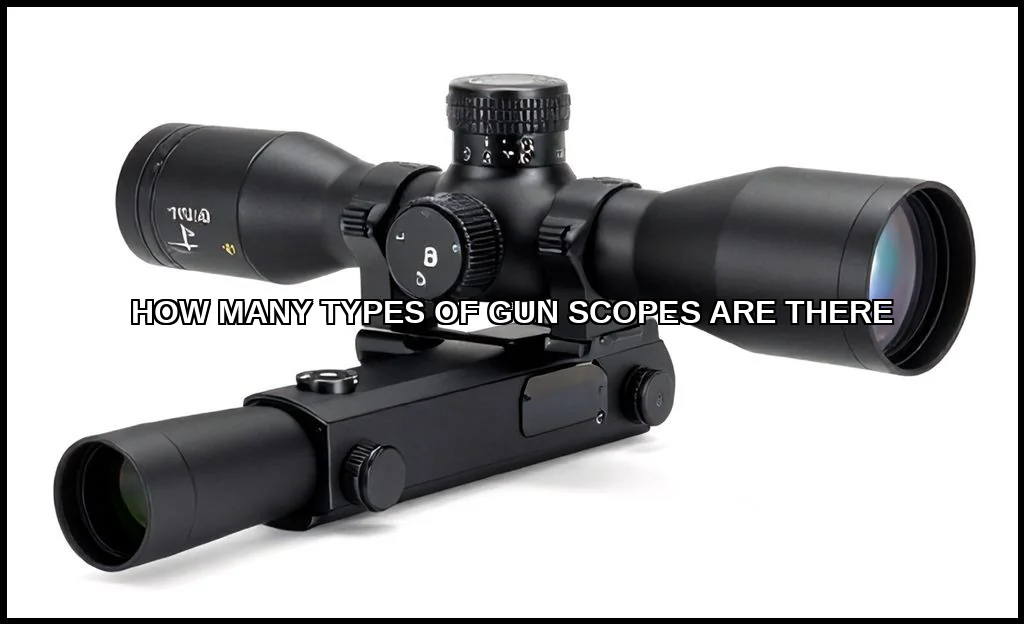
This is where versatility lives. A 3-9×40 scope lets you zoom from 3x magnification up to 9x. This flexibility makes variables the most popular choice for hunters and tactical shooters. You can scan a wide area on low power, then zoom in for a precise shot. Understanding scope magnification explained is key here. The first number is the lowest magnification, the second is the highest, and the last number (e.g., 40) is the objective lens diameter in millimeters.
- Low Power Variable Optic (LPVO): A hugely popular sub-category. Think 1-4x, 1-6x, or 1-8x. An LPVO functions like a red dot on its 1x setting for close-quarters speed, then magnifies for mid-range precision. It’s a top contender for the best low power variable optic for AR-15 debates.
- Standard Variables: The classic 3-9x or 4-12x hunting scope.
- High-Magnification Variables: Designed for long-range shooting, with ranges like 5-25x or 6-24x.
Technology Breakdown: Reflex, Prism, and Traditional Scopes
Magnification is one thing, but the underlying technology defines the experience. Here are the three main optic categories.
Reflex (Red Dot & Holographic) Sights
These are non-magnified sights designed for speed. They project an illuminated aiming point (a dot or reticle) onto a lens. The shooter keeps both eyes open for superior situational awareness. The classic red dot vs holographic debate comes down to the projection method. Red dots use an LED, while holographic sights use a laser diffraction pattern. Holographic sights often have a more complex reticle and can be easier to use with astigmatism, but they are typically more expensive and battery-hungry.
Prism Scopes
Prism scopes bridge the gap. They use a prism to fold the light path, making them much shorter and more compact than traditional scopes. They offer a fixed, etched reticle (like 3x or 5x) that is illuminated. This etched reticle is a game-changerif the battery dies, you still have a black reticle to use. This leads many to ask, are prism scopes better than traditional scopes for astigmatism? Often, yes. The etched reticle tends to “star” less for shooters with this common eye condition.
Traditional Riflescopes
This is the classic tube-style scope with objective and ocular lenses. They house a system of erector lenses to provide variable magnification and a reticle. They are the workhorses for most precision shooting, from hunting to long-range competition. Their performance is defined by glass quality, coatings, and mechanical precision. For a deep dive on selection, the NSSF’s authority guide is an excellent official source.
Reticle Types and Their Applications
The reticle is your aiming reference. Choosing the right one is a critical part of your scope reticle guide. Reticles fall into two main planes, which changes how they function.
First Focal Plane (FFP) vs. Second Focal Plane (SFP)
- First Focal Plane (FFP): The reticle is placed in front of the magnifying lenses. It grows and shrinks as you zoom. The subtensions (like the marks on a Mil-Dot Reticle) are always accurate at any magnification. Essential for long-range holdovers and tactical use.
- Second Focal Plane (SFP): The reticle sits behind the magnifying lenses. It stays the same size regardless of zoom. Subtensions are only accurate at one specific magnification (usually the highest). Simpler and often less expensive.
Common Reticle Patterns
From simple to complex, your reticle patterns choice should match your shooting style.
| Reticle Type | Best For | Key Feature |
|---|---|---|
| Duplex / Crosshair | Big game hunting, general purpose | Simple, uncluttered, fast to use |
| Mil-Dot / MOA | Long-range precision, tactical | Allows for range estimation and wind holds |
| BDC (Bullet Drop Compensator) | Hunting, recreational long-range | Pre-marked holdover points for a specific cartridge |
| Illuminated Reticle | Low-light conditions, fast-paced shooting | Red or green light enhances the aiming point |
The choice between illuminated vs non-illuminated often comes down to your primary use case. For dawn or dusk hunting, illumination can be the difference between a clean shot and a miss.
How to Choose: Matching Scope Type to Your Shooting Needs
Now, let’s apply everything. Your mission defines your gear. Heres how to match rifle scope types to common activities.
For Hunting: Finding the Best Scope for Hunting
Most hunters need a versatile, durable variable scope. Consider your terrain and game.
- Woods / Brush Hunting: A low-magnification scope (1-4x, 2-7x) or a prism scope. Speed and wide field of view are critical.
- All-Around Big Game: The classic 3-9×40 is legendary for a reason. It handles most shots from 50 to 300 yards.
- Long-Range / Mountain Hunting: Look for a scope with higher top-end magnification (4-16x, 5-25x) and excellent light transmission. Parallax Error adjustment becomes important here for precision at extended ranges.
For Tactical & Defense Use
This is where tactical scope features shine: ruggedness, illumination, and versatile reticles.
- Close to Mid-Range (0-300 yards): A robust red dot, holographic sight, or an LPVO (1-6x or 1-8x) is ideal. The LPVO offers the most flexibility.
- DMR (Designated Marksman Rifle) Role: A medium-range variable scope, like a 3-15x or 4-16x, often in FFP with a mil-based reticle.
Accessories matter too. A stable platform is key, which is where a quality Leupold adapter for tripod use can make a real difference for observation or supported shooting.
For Long-Range Precision Shooting
This discipline demands specialized gear. Your long range scope setup is built on precision mechanics.
- High Magnification: Look for scopes with a top end of 20x to 25x or more.
- FFP Reticle: Non-negotiable for accurate holdovers at any zoom level.
- Exposed Turrets: Tall, tactile turrets for easy windage and elevation adjustments.
- Parallax Adjustment: A dedicated side knob to eliminate Parallax Error, ensuring the reticle doesn’t move on the target if your head shifts.
So, how to choose between a red dot and a magnified scope? It’s simple. Is your primary need speed inside 100 yards? Go red dot. Do you need to identify and precisely engage targets beyond 100-200 yards? You need magnification.
The “best” scope doesn’t exist in a vacuum. It’s the one that perfectly aligns with your rifle, your ammunition, and your specific shooting objective. A varmint hunter’s 6-24x target scope would be a nightmare in a dense forest, just as a red dot is limiting on a prairie rifle. Start by honestly defining your most common shooting scenario. Consider your budget for not just the optic, but for a solid mount. Test different sight classifications if you can. For those just starting out and wondering what are the different types of rifle scopes for beginners, a solid 3-9×40 scope is the universal translatorit teaches you the fundamentals without overwhelming complexity. Invest in good glass, understand the features you truly need, and practice until the system becomes an extension of your own vision.