
Magnification is the fundamental language of optical devices. It tells you how much closer an object appears compared to your naked eye. But that number, like 10x or 40x, is just the beginning of the story. The real skill lies in matching the right magnification range to your specific task, whether you’re inspecting a circuit board, identifying a bird, or studying cell structures.
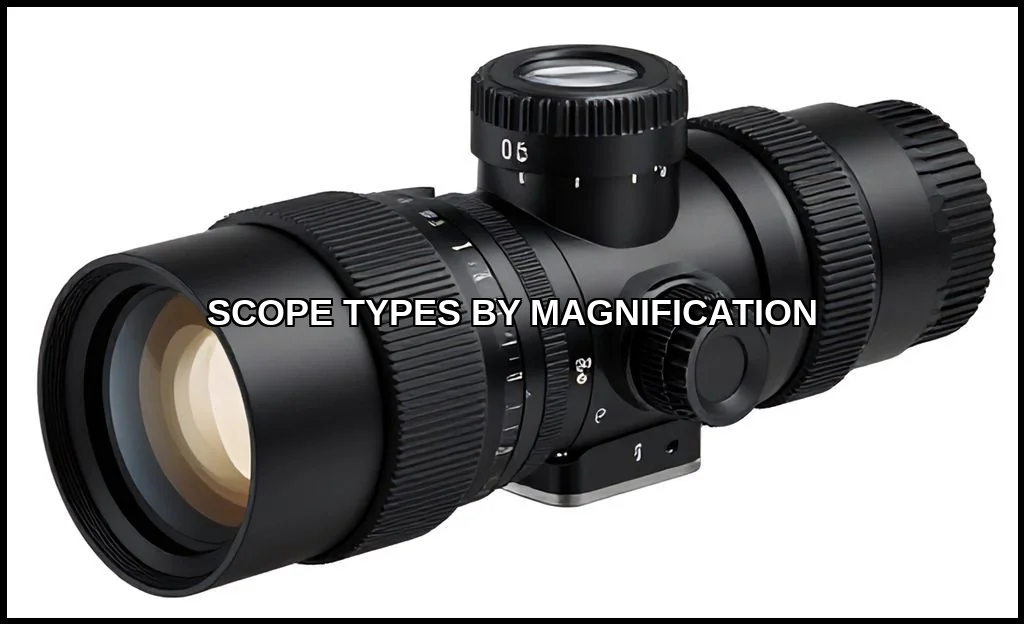
Choosing the wrong scope power can lead to frustration. Too high, and you lose your target in a tiny, shaky field. Too low, and you miss the critical details. This guide will break down scope types by magnification, from low-power stereo microscopes to high-magnification astronomical telescopes. For instance, a versatile option like the SVBONY SV28 Spotting scope offers a great balance for field use, providing a solid optical zoom range that suits many outdoor enthusiasts. Let’s get into the details.
Defining Magnification Ranges: Low, Medium, and High
These categories aren’t rigid, but they provide a crucial framework. The intended use of the device defines the range.
Low Power Magnification (1x to 50x)
This range is all about a wide Field of View and excellent Depth of Field. You see a larger area in focus at once. It’s perfect for inspection, assembly, and dissection. Common low power microscope uses include soldering electronics, examining fossils, or sorting insects. You’re working with your hands under the lens. In the world of scopes, a low-power variable optic might start at 1x for close-quarters use.
Medium Power Magnification (50x to 400x)
This is the workhorse range for biological sciences. It balances detail with a manageable field. You’ll find it in standard microscope magnification levels for educational and clinical labs. It’s where you view plant cells, bacteria in stained samples, and blood smears. For spotting scopes, a medium zoom range like 15-45x is incredibly versatile for birding or range observation.
High Power Magnification (400x and above)
Enter the realm of high magnification scopes. Here, you chase minute details. In microscopy, you’re looking at intricate cellular organelles or bacteria in unstained, phase-contrast views. The viewing distance between the lens and the specimen becomes minuscule. Light becomes critical. In astronomy, high power brings planetary details into view, but atmospheric conditions often limit its practical use.
Microscope Types by Magnification Power
Different microscope designs are engineered for specific magnification brackets. Knowing which type to use is half the battle.
Stereo Microscopes (Low Power: 5x – 50x)
Also called dissecting microscopes, they provide a three-dimensional image. They have two separate optical paths. This design is why they excel at low power vs high power microscope differences. You get exceptional depth perception for manipulating specimens. Ideal for:
- Circuit board repair and quality control
- Watchmaking and jewelry appraisal
- Biological dissection and entomology
- Any task requiring hand-eye coordination under the lens
Compound Microscopes (Medium to High Power: 40x – 1000x+)
These are the classic lab microscopes. They use a system of two main lenses: the Objective Lens (near the specimen) and the Eyepiece (ocular). The Total Magnification is calculated by multiplying the power of these two. So, a 40x objective with a 10x eyepiece gives 400x total magnification. This answers the common question, how to calculate total microscope magnification. They are used for viewing thin, translucent specimens on slides.
Digital Microscopes (Variable, Often Low to Medium)
These scopes output an image directly to a screen. Their magnification is often a combination of optical magnification and digital zoom. They are fantastic for documentation, collaboration, and measuring on-screen. Their flexibility makes them popular in manufacturing and hobbyist electronics.
Telescope & Spotting Scope Magnification Categories
The principles shift when looking at distant objects. Magnification is just one part of a three-legged stool: aperture, optical quality, and magnification.
Spotting Scopes: The Bridge Between Binoculars and Telescopes
These are terrestrial scopes for detailed observation. A common zoom scope type might be 15-45x or 20-60x. The best magnification isn’t always the highest. Atmospheric heat haze and hand shake are real enemies. So, what is the best magnification for a spotting scope? Often, the sharpest, brightest image is found at the middle of its zoom range. A 65mm or 80mm objective lens gathers enough light for a clear view. For mounting stability, consider a quality leupold tripod adapter to eliminate shake.
Astronomical Telescopes: Aperture is King
For stars and planets, the diameter of the main mirror or lens (aperture) is more important than max magnification. Aperture determines light-gathering ability and resolution. You can always increase magnification with different eyepieces, but a small aperture will only produce a dim, fuzzy image at high power. A good rule: useful magnification is about 50x per inch of aperture.
Riflescopes and Variable Optics
Here, magnification choices are tactical. A low-power variable optic (LPVO) like 1-6x or 1-8x is incredibly popular for its versatility. It allows for both-eyes-open shooting at 1x (like a red dot) and precise aiming at distance. Understanding the different scope types and uses is critical for matching gear to your shooting discipline, from close-range competitions to long-range hunting.
How to Choose the Right Magnification: A Practical Guide
Forget the maximum number on the box. Ask these questions instead.
What is Your Primary Application?
Your task dictates the range. Create a simple checklist:
- Are you working with your hands? Choose low power (Stereo microscope or 1x scope setting).
- Do you need to scan a wide area quickly? Lower magnification is faster (e.g., 10x binoculars).
- Is identifying fine detail the goal? You’ll need medium to high power, but with support (slide preparation, a solid tripod).
- Is the subject living and moving? Too much magnification makes tracking impossible. A mid-range zoom is better.
Magnification vs. Resolution: The Critical Balance
This is the core concept. Magnification makes an image bigger. Resolution is the ability to see two close points as separate. Empty magnification occurs when you zoom in beyond the resolution limit of the lens strength or the atmospheric conditions. The image gets bigger but blurrier. More light (a larger aperture) and higher-quality optics improve resolution.
| Scenario | High Magnification Problem | Better Solution |
|---|---|---|
| Birding on a hot day | Heat haze causes severe image distortion at 60x. | Drop to 30-40x for a much clearer, stable view. |
| Viewing blood cells | Using a 100x objective without oil immersion. | Use the proper 100x oil immersion lens to maintain resolution. |
| Long-range shooting | Using 25x magnification without a stable rest. | Use 12-15x on a solid bipod or bag for a clearer sight picture. |
Understanding the Specs: What Does 10x Magnification Mean?
What does 10x magnification mean on a scope? Simply, the object appears ten times closer, or subtends ten times the angle to your eye. But a “10x” microscope objective is different from a “10x” telescope eyepiece. Context is everything. In microscopy, the objective’s numerical aperture (NA) rating tells you more about its resolving power than the magnification number alone.
Your choice always involves trade-offs. Higher power narrows the Field of View and Depth of Field, and it amplifies any vibration. It also demands more light. Before you buy, test the view at the highest magnification you think you’ll need. If it’s dim and shaky, you need a scope with a larger objective lens or a more robust mounting system.
Start with your need, not the specs. A mid-range zoom scope or a stereo microscope will handle 80% of common tasks brilliantly. Invest in optical quality over extreme magnification numbers. Pair your device with the right supporta good tripod is non-negotiable for high-power viewing. Remember, the best magnification is the one that gives you a clear, bright, and usable image for what you’re actually doing. Now you can decode the numbers and choose with confidence.