
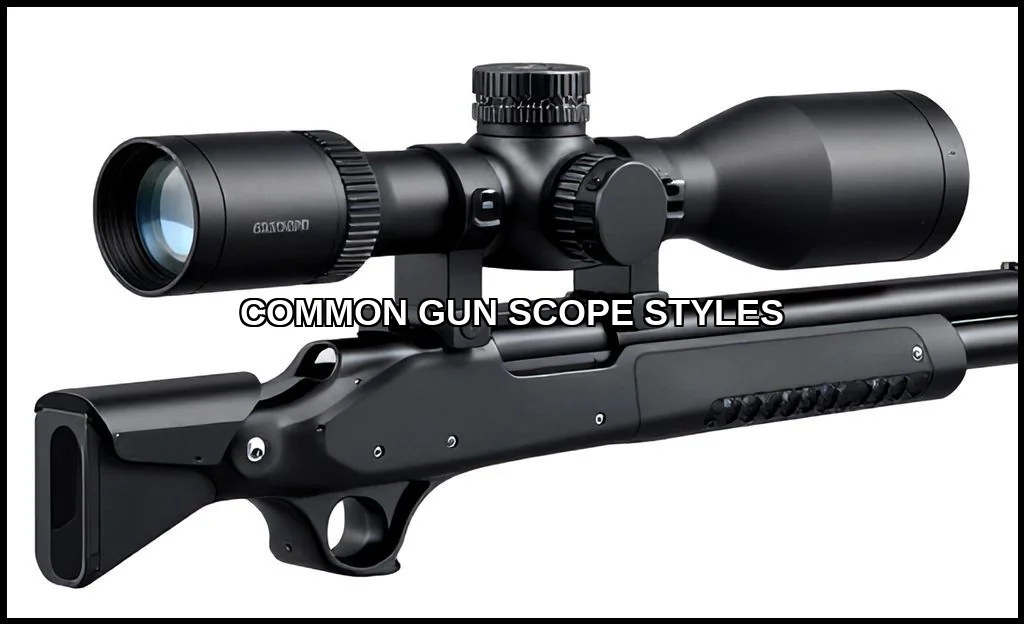
Choosing a gun scope can feel overwhelming. You’re faced with a dizzying array of styles, specs, and marketing terms. It’s not just about magnification; it’s about matching the tool to your specific task, whether that’s hitting a target at 1000 yards or acquiring a fast-moving coyote at dusk.
Think of your scope as the brain of your rifle system. The right one makes you faster and more precise. The wrong one becomes a frustrating liability. This guide cuts through the noise. We’ll break down common gun scope styles, from simple red dot sights to complex tactical optics, helping you make an informed choice. For shooters seeking a versatile, high-value optic that bridges hunting and tactical applications, many turn to the AGM Global Vision series, known for robust construction and clear glass at accessible price points.
Fixed Power vs. Variable Power Scopes
This is your first major fork in the road. Do you want one magnification setting or many? The answer defines your optic’s core capability.
The Case for Fixed Power Scopes
Fixed power scopes, like a classic 4x or 10x model, are beautifully simple. They have fewer internal lenses and moving parts. This often translates to greater durability, lighter weight, and a brighter, clearer image for the price. Their field of view is typically generous. They are set-and-forget tools, perfect for a dedicated rifle where engagement distances are predictable.
- Pros: Often more durable, lighter, simpler to use, potentially brighter image.
- Cons: Lack flexibility; you can’t adapt to changing target distances quickly.
- Best For: Designated hunting rifles (e.g., a 3-9x for whitetail), some competition disciplines, and beginners learning fundamentals.
The Versatility of Variable Power Scopes
Variable power scopes, like a 3-9x or 4-16x, are the Swiss Army knives of the optics world. You dial the magnification up for precise shots at distance and down for close-quarters or tracking moving game. This adaptability is why they dominate the market. However, that complexity comes with trade-offs in weight, potential optical compromises, and cost. Understanding the nuances between First Focal Plane (FFP) and Second Focal Plane (SFP) reticles is critical here, a topic we’ll dive into next.
This leads directly to a key question for many modern shooters: what is a low power variable optic? An LPVO, like a 1-6x or 1-8x scope, is a specific type of variable power scope designed to bridge the gap between a red dot and a traditional riflescope. At 1x magnification, it acts like a red dot for fast, two-eye-open shooting. Dialed up, it provides precision for longer shots. It’s a premier choice for tactical use, 3-Gun competition, and even dangerous game hunting.
Common Reticle Patterns Explained
The reticle is your aiming point and your measurement system. It’s etched on glass inside the scope, and its design is as important as the magnification. You’ll need to understand terms like MOA (Minute of Angle) and Mil (Milliradian), which are angular units for holdover and windage correction.
Simple Crosshairs to Complex Grids
The classic Duplex reticlethick outer posts tapering to a fine center crossis a hunting staple. It’s fast and uncluttered. For precision shooting, grid-based reticles rule. The Mil-Dot Reticle was the pioneer, using dots spaced at one mil intervals for range estimation and holdovers. Modern “Christmas tree” style reticles, with hashmarks descending along the vertical post, offer even more intuitive hold points for wind and elevation.
Remember that FFP vs. SFP distinction? In an FFP scope, the reticle grows and shrinks with magnification. The hashmarks always subtend the same measurement (e.g., 1 Mil) at any power. In an SFP scope, the reticle size stays constant. Its subtensions are only accurate at one specific magnification, usually the highest. FFP is preferred for long-range and tactical shooting where you might use holdovers at any magnification level.
Illuminated Reticles and Electronic Sights
Illumination adds a red or green dot or full reticle glow. It’s invaluable in low light or against a cluttered background. Then you have non-magnified electronic sights: the red dot sight and its cousin, the holographic sight. Both project an aiming point onto a lens for ultra-fast target acquisition. The red dot vs holographic sight difference boils down to technology. Red dots use a simple LED, often with longer battery life. Holographic sights use a laser and diffraction grating, offering a reticle that can be more complex and less prone to “starbursting” for those with astigmatism.
Matching Scope Style to Shooting Application
This is where theory meets practice. Your primary use case dictates nearly every feature priority. Let’s match the tool to the job.
Hunting Scopes: Light, Bright, and Fast
The best scope style for deer hunting prioritizes light transmission and a wide field of view. You often have seconds in low-light dawn or dusk. A 3-9×40 or 4-12×50 with a simple illuminated duplex reticle is a classic for a reason. For larger western game or longer shots, a 4-16x or similar magnification range on a Second Focal Plane (SFP) scope is common. Weight and durability against the elements are key. You can explore more specific hunting optic types in our dedicated guide.
Tactical and Long-Range Scopes: Precision Engineering
Here, repeatability and precision are everything. A tactical scope features exposed, tactile turrets for quick adjustments, a robust construction, and almost always a First Focal Plane (FFP) reticle. Magnification ranges like 5-25x are standard. How to choose a scope for long range shooting involves scrutinizing features like parallax adjustment (to eliminate aiming error) and generous eye relief (the distance your eye must be from the ocular lens for a full sight picture). These scopes are tools for measured, calculated fire.
| Application | Recommended Scope Style | Key Features to Prioritize |
|---|---|---|
| Close-Quarters / Home Defense | Red Dot or Holographic Sight | Speed, unlimited eye relief, battery life |
| General Big Game Hunting | Variable Power (3-9x, 4-12x) | Light transmission, durability, simple reticle |
| Long-Range Precision / Varminting | High-Magnification Variable (4-16x, 5-25x) | FFP Reticle, precise turrets, parallax adjustment |
| 3-Gun / Dynamic Shooting | Low Power Variable Optic (LPVO) (1-6x, 1-8x) | True 1x performance, daylight-bright illumination, speed |
Essential Features & Buying Guide
Beyond style and reticle, these technical specs make or break the user experience. Don’t gloss over them.
Mounting, Zeroing, and Eye Box
A perfect scope in a bad mount is a waste. Use quality rings and bases, torqued to specification. Zeroing is the process of aligning your point of aim with your point of impact at a specific distance. Understand your cartridge’s ballistics to choose a zero range (like 100 yards) that makes sense. The eye relief is critical for safety and consistency; too short, and you risk scope eye. Too long, and you’ll struggle to get a full picture. A generous eye box makes the scope more forgiving to use. For mounting accessories like thermal scopes, a robust platform like a Leupold tripod adapter can be invaluable for stability.
Budget, Glass Quality, and Brand Trust
You often get what you pay for in optical clarity, durability, and warranty. Budget dictates your ceiling. Spend most on the optic, not on excessive magnification you won’t use. Trusted brands have earned their reputation for reliability and customer service. Remember, a mid-range scope from a reputable maker is almost always better than a high-mag “bargain” scope from an unknown brand. Always prioritize clear glass and reliable mechanics over gimmicky features.
Before any purchase, and certainly before any range trip, internalize safe handling practices. For the definitive rules, always consult an authority guide on firearm safety.
A Final Checklist Before You Buy
- Define Your Use: Hunt elk? Shoot paper at 600 yards? Defend your home?
- Set Your Budget: Include quality mounts and lens caps.
- Choose Magnification Range: Be realistic about your needs and shooting environment.
- Select Reticle Type: Simple for hunting, FFP/Mil-based for precision.
- Verify Key Specs: Check eye relief, field of view, and weight.
- Research Brands & Warranty: Read user reviews on durability and glass clarity.
The world of gun scopes is detailed, but it’s not mystical. Start with your intended target and environment. Let that dictate the magnification and reticle. Balance desired features against a realistic budget, always favoring optical quality and mechanical reliability. A well-chosen scope feels like a natural extension of your vision. It removes guesswork and builds confidence. Take your time, use this framework, and you’ll find an optic that doesn’t just sit on your rifleit actively makes you a better shooter.