

In searching for the right microscopio binocular solution, I discovered that users often face a mix of technical and practical problems that aren’t solved by just picking the most expensive or feature-packed model. What you really need is a clear understanding of the challenges and how to address them effectively, whether you’re a student, professional, or hobbyist. let’s dive into those common issues and explore how different approaches can help you get the most out of your binocular microscope.
Why This Technology Excels at microscopio binocular
Binocular microscopes are unique because they give you depth perception and reduce eye strain compared to monocular types. But that advantage comes with its own set of hurdles. For example, aligning both eyepieces correctly, managing illumination, and balancing magnification without losing clarity are everyday struggles. These aren’t just technicalities they impact your ability to observe and analyze specimens accurately.
here’s what I mean: If your eyepieces aren’t properly adjusted for interpupillary distance, the image will feel uncomfortable or double. And if the illumination isn’t even or bright enough, you’ll miss crucial details. The result? Frustration and wasted time.
Common User Problems with Microscopio Binocular
- Eye strain and fatigue: Extended use can cause headaches if the interpupillary and diopter adjustments aren’t precise.
- Uneven or poor illumination: Insufficient or inconsistent lighting obscures details and colors.
- Difficulty focusing at high magnifications: Fine focus mechanisms can be tricky, leading to blurred images.
- Limited documentation options: Without digital integration, capturing and sharing images is cumbersome.
- Maintenance and durability concerns: Frequent calibration and careful handling are often required.
Solutions to Address These Challenges
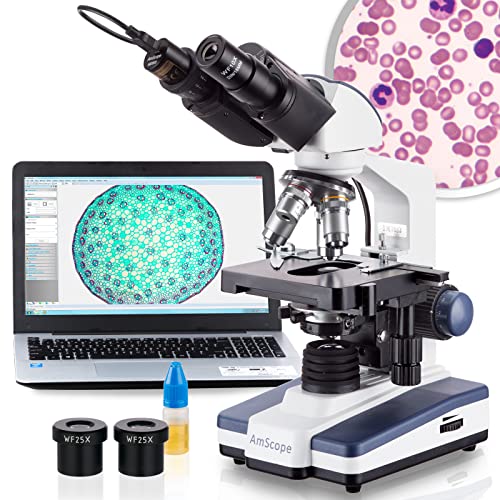
there’s no one-size-fits-all answer, but combining ergonomic design, illumination technology, and digital tools can transform your microscopy experience. For instance, microscopes with adjustable Siedentopf heads let you set your interpupillary distance precisely. LED lighting with fly-eye lenses offers bright, even illumination that’s closer to daylight, reducing eye fatigue.
For documentation, integrating USB cameras with professional software helps you capture and analyze specimens effortlessly. that’s especially useful in educational or clinical environments where sharing findings quickly is essential.
| Problem | Traditional Approach | Modern Solution | Pros | Cons |
|---|---|---|---|---|
| Eye strain | Fixed eyepieces, manual adjustments | Siedentopf head with adjustable interpupillary distance | Comfortable viewing, reduces fatigue | Requires initial calibration |
| Poor illumination | Halogen or incandescent bulbs | LED with fly-eye lens illumination | Bright, stable, daylight-balanced light | LEDs may need replacement over years |
| Image documentation | Eyepiece projection, external cameras | Integrated USB microscope cameras with software | Easy capture, analysis, sharing | Learning curve with software |
Case Study: A University Lab s Transition
At a mid-sized university, the biology department struggled with outdated monocular microscopes. Students complained about eye fatigue, and instructors had trouble documenting experiments. After switching to a binocular microscope with LED illumination and an integrated USB camera, they noticed a dramatic improvement in student engagement and data quality. The adjustment period was short, and even older faculty appreciated the ergonomic design. And yes, I learned this the hard way when I tried to use a monocular model for hours on end.
Contrarian View: Bigger Magnification isn’t Always Better
Many users assume higher magnification equals better results. Not true. Beyond a certain point, increasing magnification without proper optics and illumination just magnifies blur and noise. it’s like trying to zoom in on a grainy photo; you see more pixels but less detail. Instead, focus on quality optics, stable lighting, and smooth focusing mechanisms for meaningful observations.
Additional Tips and Practical Advice
- Start with proper calibration: Adjust interpupillary distance and diopters before your first use.
- Optimize illumination: Use LED lighting with adjustable intensity to suit different specimens.
- Maintain cleanliness: Clean lenses regularly with proper tools to avoid scratches and dust interference.
- Use digital tools: Connect USB cameras to capture images for reports or presentations.
- Practice focusing: Use coarse focus first, then fine focus to avoid losing your place.
Unexpected Analogy: Microscope Adjustments Are Like Tuning a Musical Instrument
Think of your binocular microscope like a guitar. If the strings (eyepieces) aren’t tuned to the right tension (interpupillary distance), the music (image) sounds off. The lighting is your amplifier too weak or too harsh, and the sound (visual) suffers. Tuning your microscope carefully before each session ensures the clearest, most harmonious observation.
Why Consider the AmScope B120 Series as an Example
While solutions vary, the AmScope B120 Series Student & Professional LED Binocular Compound Microscope offers a good balance of features addressing many of these challenges. It combines adjustable Siedentopf head design for comfort, bright LED illumination with a fly-eye lens, and a 5MP USB camera that integrates easily with analysis software.
This model is economical, making it accessible without sacrificing quality ideal for students and professionals who want reliable performance without breaking the bank. it’s not the only answer, but it exemplifies how combining ergonomic design, illumination excellence, and digital integration can help solve common binocular microscope problems.
Final Recommendations for Tackling microscopio binocular Challenges
- Prioritize ergonomic features to reduce eye strain during long sessions.
- Invest in quality illumination systems LED with fly-eye lenses are a smart choice.
- Leverage digital cameras and software for documentation and analysis.
- don’t chase magnification numbers; focus on clarity and ease of use.
- Regularly maintain your equipment clean lenses and check calibrations.
- Try different models or setups to find what fits your specific needs.
Microscopio binocular challenges require thoughtful solutions tailored to your workflow and environment. With careful selection and proper adjustments, your microscope becomes a powerful tool, not a source of frustration.
🔥 Shop Smart, Buy Quality – Add to Cart
👉 Check the Latest Price on Amazon 👈
⭐️ Trusted by 1,000+ Customers Worldwide